
How should chlorinated water be safely discharged after treatment?
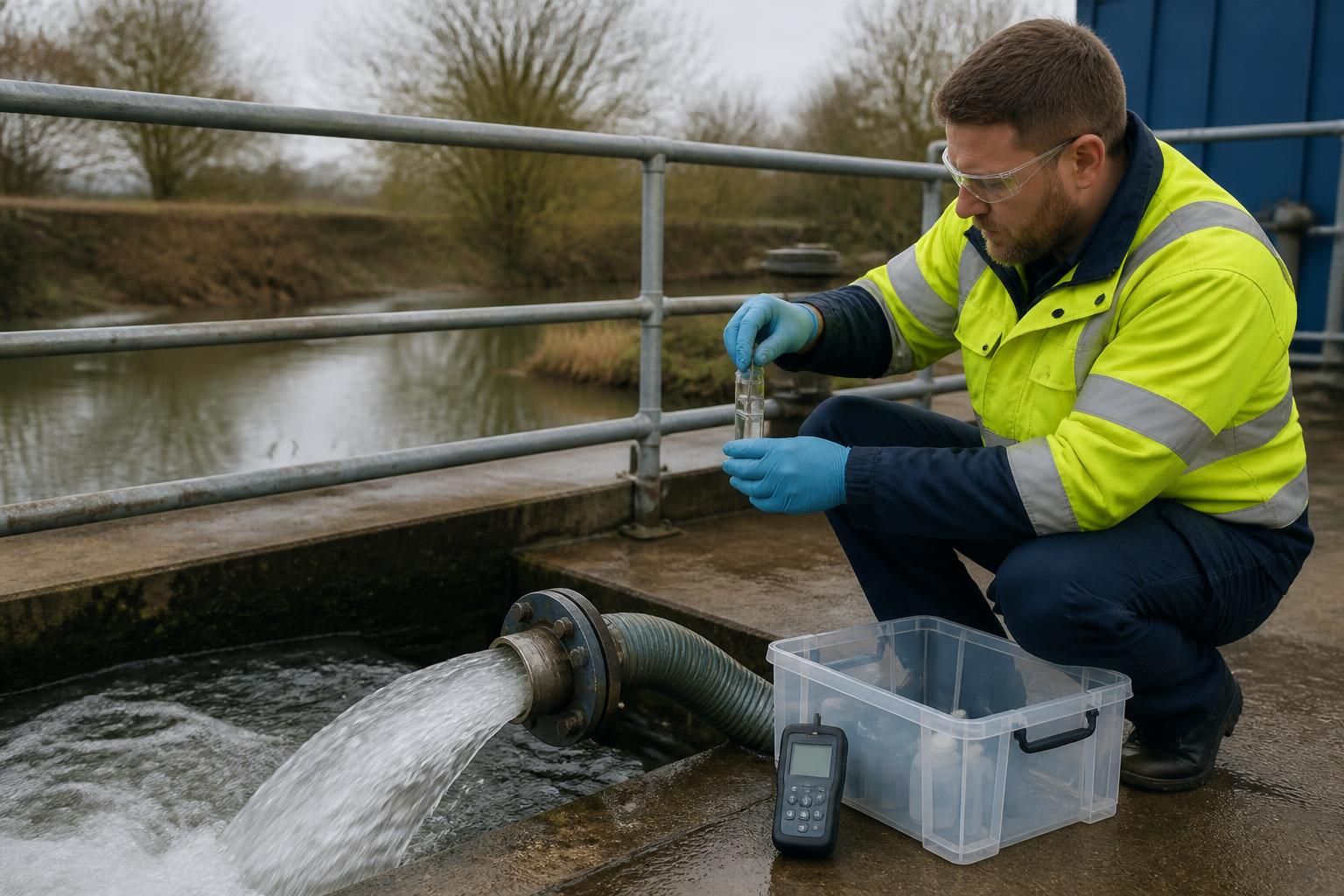
Safely discharging chlorinated water after treatment requires controlled dechlorination, an approved discharge route and evidence that the water meets the relevant conditions before release. The process should be planned around the receiving environment, the volume and characteristics of the water, and the requirements of the regulator, sewerage undertaker or site owner.
Identify the discharge route first. Water should not be directed to a surface-water drain, ditch, stream, river, soakaway or land drainage system simply because it is convenient. Confirm who owns or controls the receiving system and whether written consent, a trade effluent agreement, an environmental permit or other approval is required. A foul sewer may also have restrictions, particularly where the volume, chemical content or rate of discharge could affect the sewerage system or treatment works.
Where discharge to a watercourse or drainage system is being considered, obtain the relevant conditions before treatment work begins. Those conditions may specify residual chlorine, flow rate, sampling arrangements, timing, location and the information that must be retained. If an acceptable route cannot be confirmed, the water should be contained until competent advice has been obtained.
Use a suitable dechlorination method. The selected neutralising agent and dosing approach should reflect the disinfectant used, the measured chlorine residual, the volume of water and the proposed discharge route. Sodium thiosulfate is commonly used for dechlorination, but the correct product and dose must be established by a competent person rather than estimated from the tank or pipe volume alone. Water quality, contact time and the presence of other chemicals can affect the result.
Introduce the neutralising agent in a controlled way that allows thorough mixing. For larger volumes, this may involve dosing as the water is transferred or recirculated rather than adding the full quantity at one point. Avoid excessive dosing: although it removes chlorine, surplus chemical can itself affect the receiving environment or compromise the conditions of a sewer discharge. Chemical handling must follow the product safety data sheet and the site risk assessment.
Check the water before release. A representative sample should be taken after the dechlorination process has had time to mix and act. Test for free chlorine using a suitable, maintained method, and check any additional parameters required by the discharge approval. Where the water has been held, transferred or treated in stages, sampling should reflect the condition of the water at the point of discharge rather than relying only on an earlier sample.
- Record the source, volume and treatment details of the water.
- Record the chemical used, batch information where relevant, quantity and dosing method.
- Document the sampling location, time, test method and result.
- Compare the result with the applicable consent or discharge condition before opening the outlet.
- Repeat testing if the result is unexpected, if dosing is adjusted or if discharge conditions change.
Discharge should be gradual and monitored. A sudden release can cause erosion, flooding, hydraulic shock or a localised chemical concentration, even where a sample taken from the bulk water appears acceptable. Use suitable containment, flow control and spill protection, and stop the operation if there is a change in colour, odour, turbidity, flow, weather conditions or receiving-water conditions that could affect compliance or environmental safety.
Manage concentrated residues separately. Unused disinfectant, concentrated neutralising chemical, contaminated absorbents and washings should not be poured into a drain without confirming that this is permitted. Store chemicals securely, keep incompatible substances apart and arrange disposal through an appropriate waste route where necessary. Personnel should use the specified personal protective equipment and follow the control measures in the risk assessment and COSHH information.
The method statement should set out the sequence of isolation, draining, dechlorination, sampling, authorisation and discharge. It should identify responsibilities, emergency arrangements, sampling equipment, chemical controls and the action to take if the required result is not achieved. Retaining the completed records provides a clear audit trail for the water treatment and supports the site’s wider legionella control and water hygiene documentation.
For complex systems, large discharge volumes or environmentally sensitive locations, an experienced water hygiene specialist can review the proposed dosing, sampling and discharge controls before work starts. Blue Fish Water Management provides practical advice on legionella control, water treatment documentation and compliance arrangements for commercial, industrial and domestic water systems across the UK.
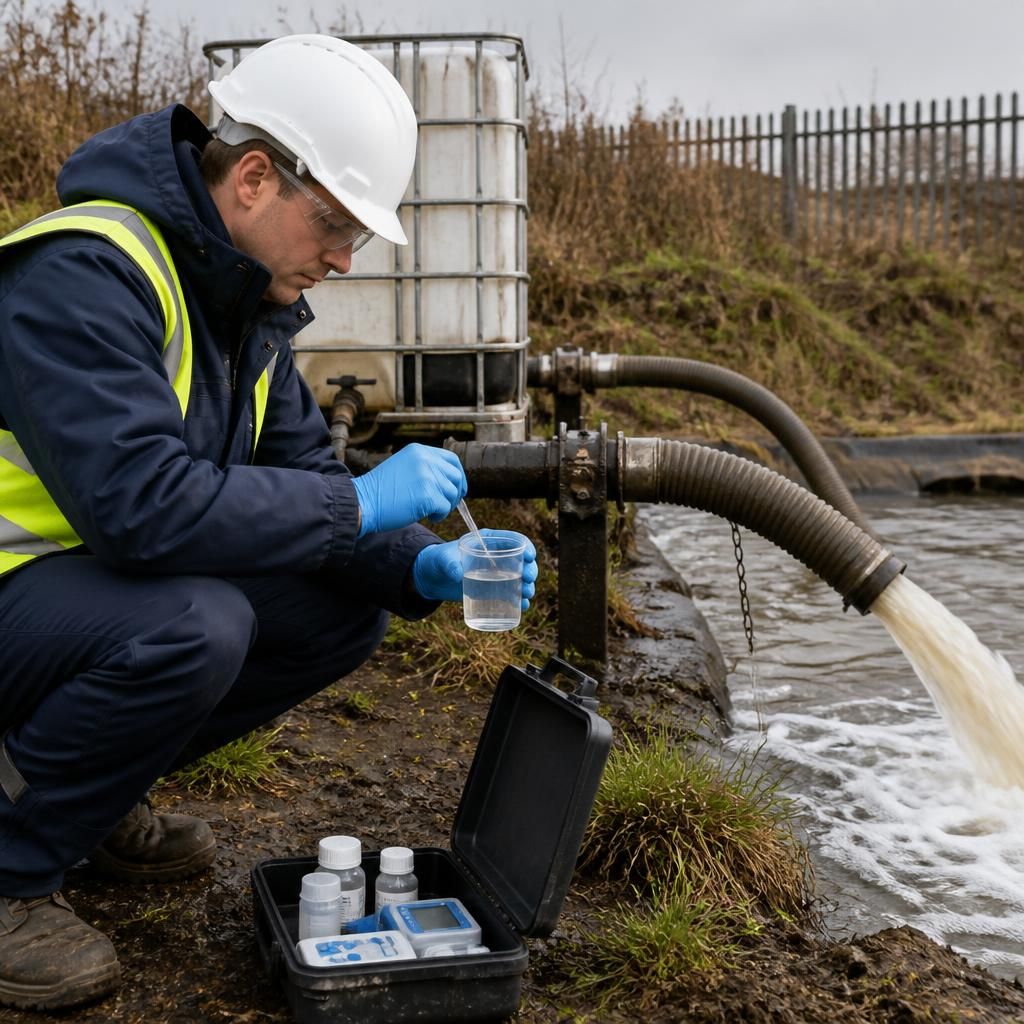
Chlorinated water should be tested as close as practicable to the discharge point because residual chlorine can change after sampling. A result from water collected earlier in the process may not represent the quality of the water being released, particularly where the water has been stored, transferred or exposed to different conditions.
Use clean sampling equipment and a maintained test method, and follow the equipment manufacturer’s instructions for sample collection and analysis. Test promptly after taking the sample, record the result with the sampling location and time, and investigate any unexpected reading before discharge continues. Where the result is affected by poor mixing, sampling error or an instrument problem, the water should remain contained until a reliable result has been obtained.
Discuss safe chlorinated water discharge requirements
Need to confirm that your proposed discharge arrangements are suitable for the site and receiving system? Discuss the requirements with Blue Fish Water Management before treatment begins.