
How is mains chlorine disinfection verified?
Mains chlorine disinfection is verified by testing chlorine residuals at agreed sampling points after the contact period, confirming that the treatment has reached the required parts of the system. Results, sampling locations, timings and any corrective actions are recorded to provide evidence that the disinfection was completed effectively.
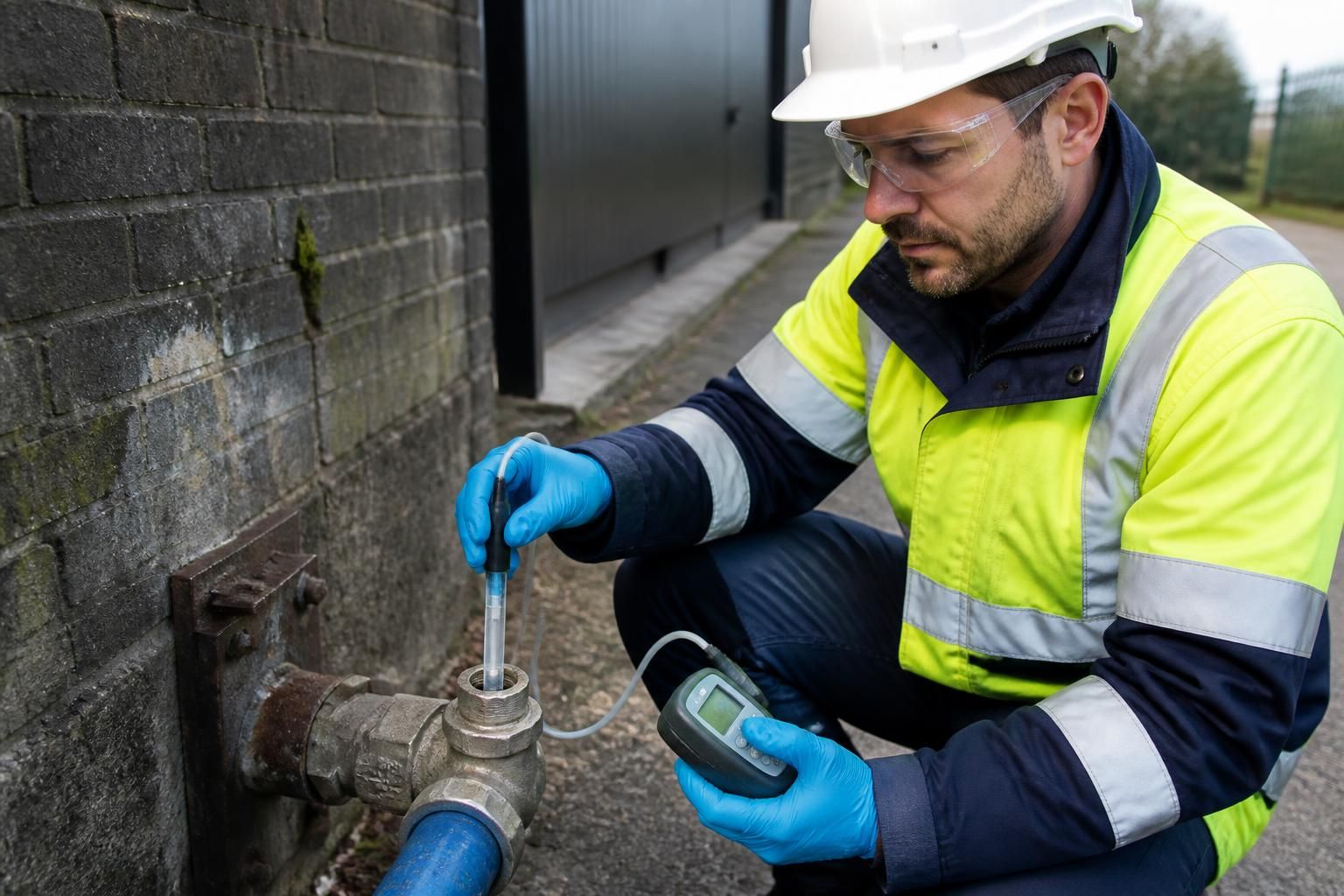
Mains chlorine disinfection is verified through a documented combination of chemical checks, inspection and, where specified, microbiological evidence. Verification should demonstrate that the treatment was applied in accordance with the approved procedure, that the disinfectant concentration was controlled, and that the system was left in a suitable condition for use.
The verification process normally includes:
- Reviewing the approved method statement: the person verifying the work checks that the treated section, isolation arrangements, dosing approach, contact requirements, flushing method and acceptance criteria were clearly defined before work began.
- Checking equipment and test methods: chlorine test equipment should be suitable for the disinfectant used and maintained or calibrated in line with the relevant requirements. The test method, equipment identification and any calibration information should be traceable in the project records.
- Confirming system coverage: valves, branches, outlets, dead ends and other parts of the mains should be considered when deciding whether the treatment has reached the complete section. Areas that could have been bypassed or inadequately dosed require particular attention.
- Assessing flushing and reinstatement: verification should establish that disinfectant has been removed or reduced to an acceptable level before the mains are returned to service. Any restrictions on discharge, environmental controls or precautions for connected equipment should also be documented.
- Obtaining laboratory evidence where required: microbiological samples may be taken after disinfection and flushing when the specification, risk assessment, client or responsible water supplier requires them. Samples should be collected using an appropriate method and submitted to a competent laboratory; UKAS-accredited testing is appropriate where accreditation is specified or required by the project.
A reliable verification record links each result to the relevant section of mains and records the date, time, sampling point, test method, person carrying out the test and any relevant site conditions. It should also identify whether the result met the agreed acceptance criteria, rather than simply listing readings without interpretation.
If a result is outside the specified limit, the work should not be treated as verified. The cause needs to be investigated, which may involve checking dosing, contact conditions, valves, stagnant sections, test equipment or sampling technique. Further flushing, repeat disinfection or additional sampling may then be necessary. The final report should retain the original findings as well as the corrective actions and subsequent results, so that the decision to release the mains can be audited.
Evidence normally supplied at completion can include the approved method statement, site test sheets, equipment and calibration details, laboratory reports where applicable, flushing and discharge records, a marked-up plan or schedule of sampling points, records of deviations and a completion or disinfection certificate. These documents give the responsible person and other stakeholders a defensible audit trail showing how the treatment was checked and why the mains were accepted for use.
Chlorine testing alone should not be presented as proof that every aspect of the work was satisfactory. A proper review considers the quality of the records, the condition and configuration of the mains, the flushing outcome, any microbiological results requested by the specification and whether all departures from the planned procedure were resolved. This distinction is important where verification is being used to support water safety compliance or handover of a newly installed or altered system.
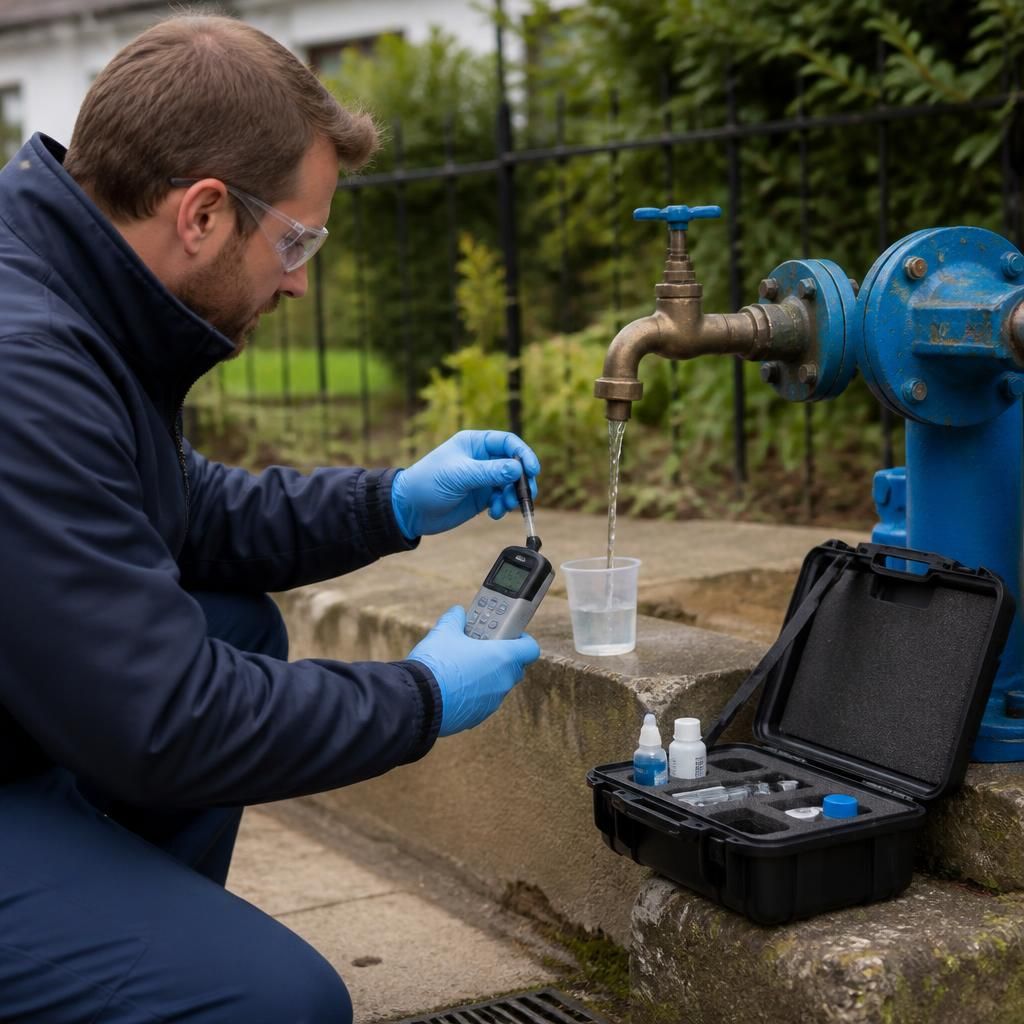
Verification of mains chlorine disinfection depends on interpreting the chlorine residual alongside the conditions in which it was measured. A reading should therefore be considered with the recorded contact time, water temperature and pH, because these factors affect how effectively chlorine acts as a disinfectant.
The verification record should show when and where each reading was taken, together with the relevant pH and temperature information where required by the procedure or specification. This helps distinguish a genuinely effective treatment from a result that appears acceptable but was obtained under unsuitable or undocumented conditions. It also gives the reviewer enough information to assess whether the agreed disinfection criteria were achieved before the mains were released for use.
Discuss your mains chlorine disinfection verification requirements
Discuss your mains chlorine disinfection verification requirements with Blue Fish Water Management Ltd to clarify the evidence, testing and documentation needed for your project.