
Which dechlorination method suits the water system?
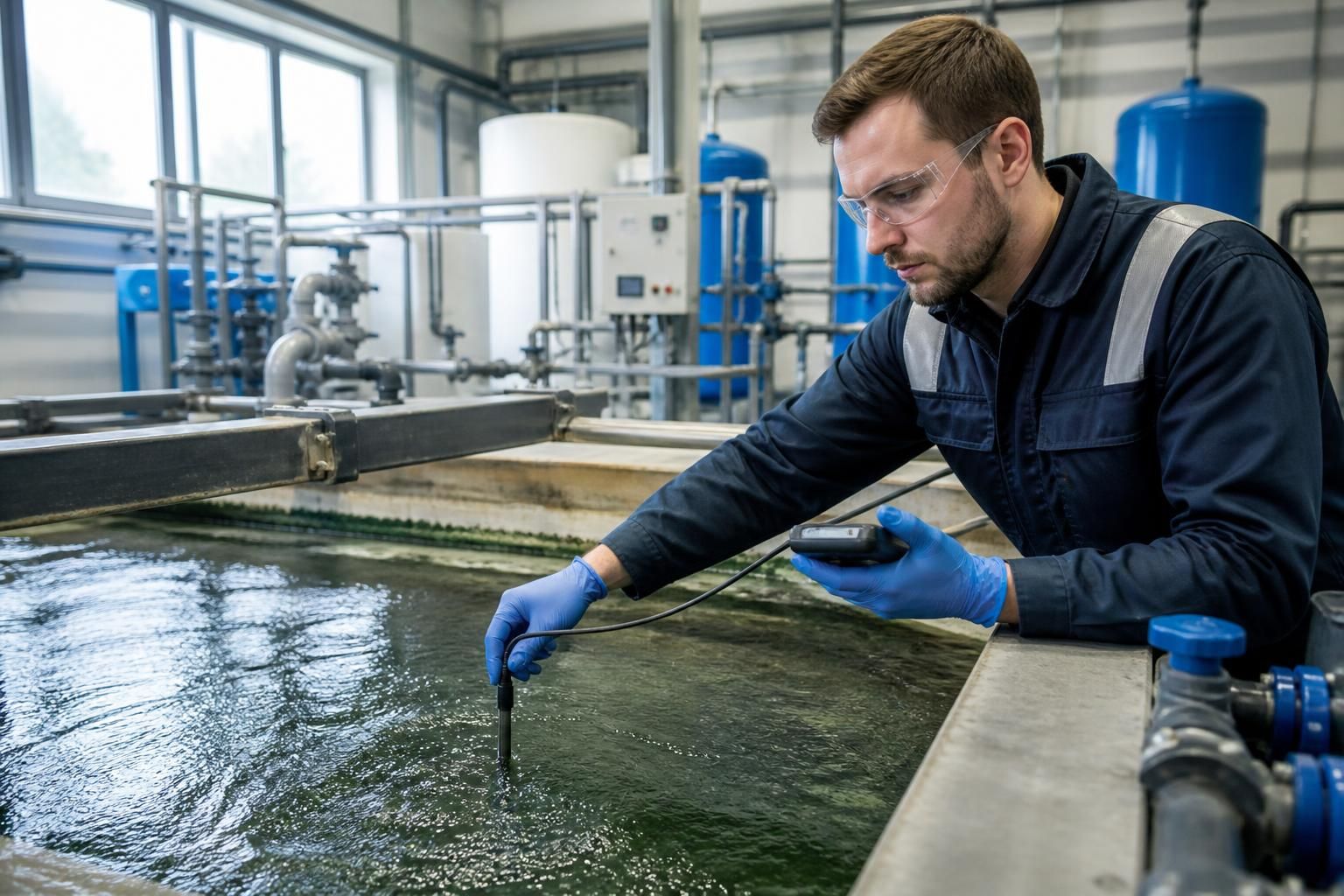
The most suitable dechlorination method is the one that reliably removes the required chlorine residual without creating a new water-quality, safety or disposal issue. In practice, selection should be based on the treatment objective, the type of chlorine present, the characteristics of the receiving system or discharge point, and the extent to which the process can be controlled and verified.
Chemical neutralisation is generally appropriate where a known volume of chlorinated water is being treated before discharge. Sodium thiosulphate, sodium bisulphite, sodium metabisulphite and ascorbic acid are examples of reducing agents used for this purpose. The choice depends on the required dosing arrangement, storage and handling controls, compatibility with the water and any restrictions on the resulting discharge. A measured dose can be introduced into a tank, bowser, pipework or other defined volume, followed by sufficient mixing and contact time.
Chemical treatment is often practical for planned works because the dose can be calculated from the measured chlorine concentration and volume. It still requires care: underdosing may leave a harmful residual, while excessive dosing can affect water chemistry and may be unacceptable for the intended discharge. The treated water should therefore be mixed thoroughly and tested before it is released. Where chlorine demand is uncertain, staged dosing and repeat testing may provide better control than adding the full calculated quantity at once.
Activated carbon may be better suited to a continuous or repeatable flow, provided the carbon vessel is correctly sized and water passes through it at an appropriate rate. Chlorine is removed as water contacts the carbon, but performance depends on flow, temperature, water quality, carbon condition and contact time. A carbon unit that is too small, overloaded or poorly maintained may allow chlorine to pass through. Monitoring at the outlet is therefore essential, particularly where the treated water will enter a sensitive drainage or environmental setting.
Carbon can also become exhausted or fouled. Suspended solids, organic matter and other contaminants may reduce its effectiveness, so the condition of the pre-treatment arrangement and the replacement or regeneration plan should be considered before selecting this method. It is less straightforward than a single chemical dose where the water volume is small and the treatment is occasional, but it can offer a controlled arrangement for repeated flow when properly managed.
For pipework and system discharges, the method should be selected alongside the disinfection plan. A chlorinated water discharge may result from commissioning, remedial work, tank cleaning or a planned disinfection exercise. The treatment provider should establish whether the water is being neutralised in a vessel before disposal or treated as it leaves the system. That distinction affects equipment selection, sampling points, operator protection and the way the process is documented.
Several practical questions help determine the right approach:
- What chlorine residual is present, and has it been measured at representative points?
- Is the water held in a defined batch, or will it pass through the treatment equipment continuously?
- Does the water contain sediment, scale or other material that could interfere with carbon or mixing?
- What are the requirements of the receiving drain, sewer, treatment system or watercourse?
- Can the treatment be isolated and controlled if test results show that further neutralisation is needed?
- What arrangements are required for chemical storage, dosing, handling and spill control?
The selected method should also reflect the scale and geometry of the installation. A small storage tank may be treated by controlled addition and circulation, whereas an extensive pipework system may need a dosing point, sampling points and flow control. Dead legs, low-flow sections and poorly mixed areas can produce different residuals from the main discharge, so a single sample may not represent the whole system. The sampling plan should match the way water is treated and released.
Verification is part of the method, not an optional final check. Suitable testing should confirm the chlorine residual after treatment and, where relevant, assess other parameters identified in the risk assessment or discharge requirements. Measurements should be taken using equipment appropriate to the expected concentration range and recorded with the sampling location, time, result and any corrective action. If the result remains above the agreed limit, discharge should not proceed until the cause has been investigated and further treatment or controlled dilution has been considered.
For a one-off activity, chemical neutralisation may provide the simpler and more controllable option when the volume and residual are known. For ongoing flow, activated carbon may be more suitable where the unit can provide adequate contact time and be monitored throughout use. Neither option should be chosen solely on convenience. The correct decision comes from matching the treatment method to the water system, the discharge conditions, the hazards of the chemicals or equipment involved and the evidence required to demonstrate effective control.
A competent dechlorination plan should record the selected method, the reason for choosing it, the anticipated chlorine load, dosing or equipment arrangements, safety controls, sampling points, acceptance criteria and actions for an unexpected result. This creates a clear link between the treatment activity and the wider water hygiene or disinfection records, helping those responsible for the premises understand what was done and why.
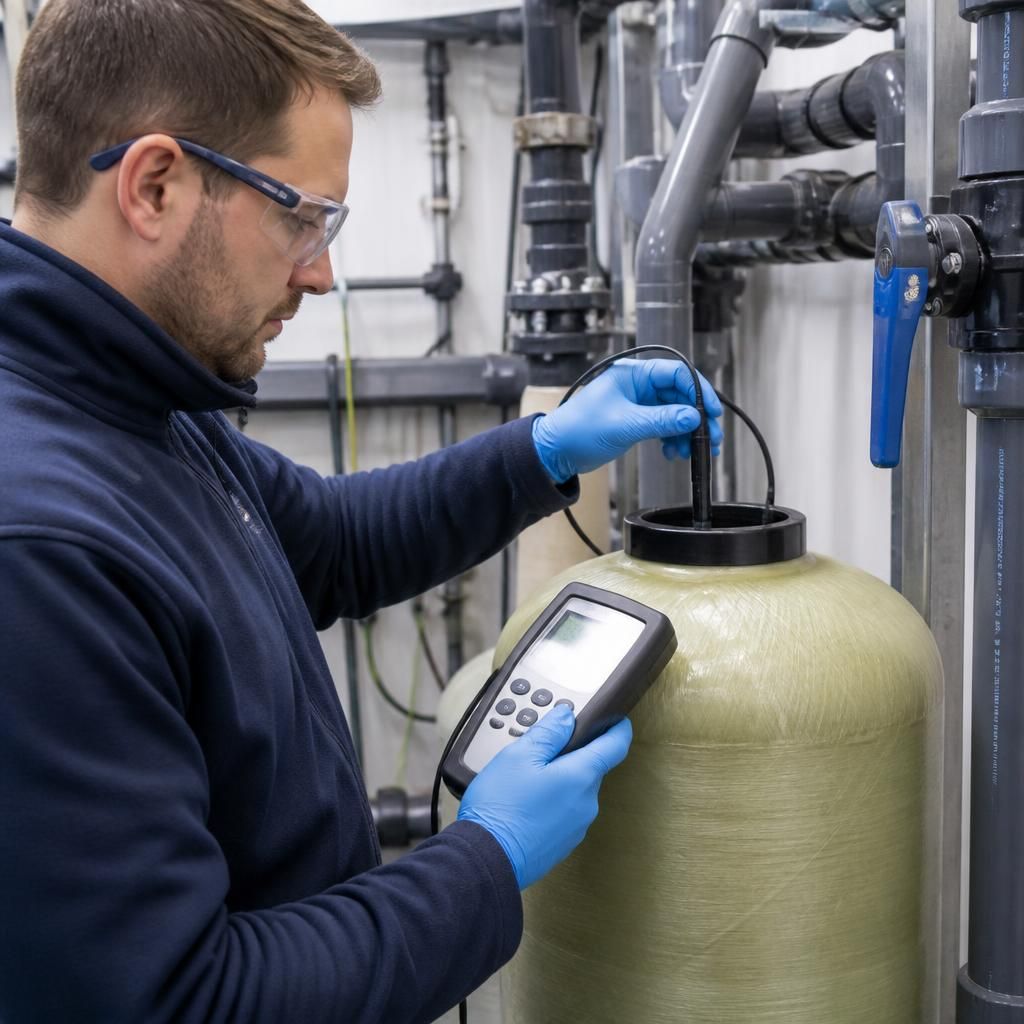
The chlorine species present can influence which dechlorination method is suitable. Free chlorine and combined chlorine, such as chloramines, do not behave identically during treatment, so a total chlorine result alone may not provide enough information for selecting equipment or calculating a chemical dose.
Before treatment, the assessment should establish which residual is present and whether the test method distinguishes free, combined and total chlorine. This helps determine whether chemical neutralisation or carbon treatment is technically appropriate, and whether the proposed process can be verified at the required outlet concentration. The result should be considered alongside pH, water temperature and any substances that may increase chlorine demand.
Where the chlorine type is uncertain, treatment should begin only after the testing and dosing basis has been clarified. A competent method statement should explain how the residual was identified, which treatment response is expected and what result will confirm that the selected method has worked.
Discuss which dechlorination method suits your water system
Discuss your proposed dechlorination activity with Blue Fish Water Management to review the system conditions, treatment objectives and evidence needed to support a suitable method. Their team can help you identify the information required before planning the work.