
When is specialist dechlorination planning support needed?
Specialist dechlorination planning support is needed when chlorinated water must be discharged from a complex or high-risk system and the site team needs a controlled, documented approach. It is particularly valuable where discharge conditions, environmental responsibilities, monitoring requirements or regulatory compliance are uncertain.
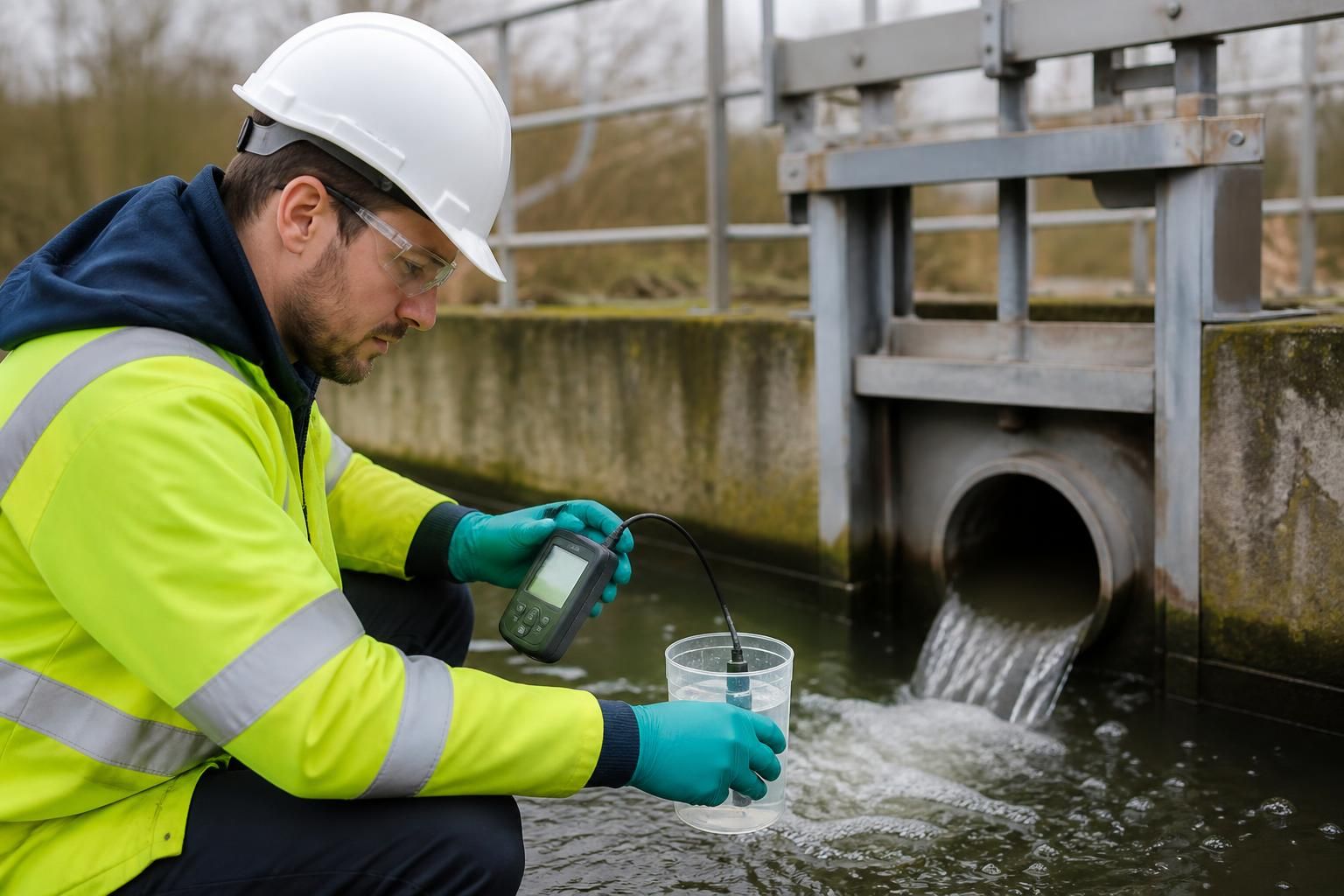
Specialist dechlorination planning support is needed when the proposed discharge cannot be assessed confidently using the site’s established procedures. The need usually arises from a combination of system complexity, uncertain water characteristics, environmental sensitivity, multiple parties or a requirement to demonstrate that the work was properly controlled.
A specialist review should be considered before planned cleaning, disinfection, commissioning, remedial work or system alteration where chlorinated water will leave the water system. This is especially important if the work involves a large storage tank, extensive distribution network, interconnected systems, temporary pipework or several discharge points. The physical layout can affect how quickly chlorine levels change and whether water from different parts of the system reaches the discharge point at the same time.
Support is also appropriate where the volume, flow rate or duration of the discharge is not known with reasonable confidence. These factors influence the choice and quantity of neutralising agent, the time allowed for contact, the location of control points and the sampling needed to verify the result. A plan based only on the nominal capacity of a tank may be unsuitable if pipework, retained water or changes in operating conditions add to the actual discharge.
- The receiving route is unclear: the discharge may enter a foul sewer, surface water drainage system, trade effluent route or another receptor with its own conditions. The appropriate route should be confirmed rather than assumed.
- Permission or acceptance may be required: a sewer operator, site owner, environmental representative or other responsible party may need to review the proposed discharge. Specialist input can help identify what information those parties are likely to require.
- Chlorine concentration is uncertain: this may occur after extended stagnation, dosing changes, shock disinfection, incomplete system flushing or a change to the original treatment method.
- The discharge may affect another process: residual disinfectant can interfere with biological treatment, industrial processes, aquatic environments or downstream water-quality controls if it is not adequately neutralised.
- The work is phased or repeated: several discharges can create a different control problem from one isolated event, particularly where each phase uses a different outlet or follows a different treatment condition.
- Responsibilities are divided: the client, water management team, contractor, facilities team and receiving-site operator may each control part of the activity. A specialist can help define the interfaces and required records.
Specialist planning is particularly valuable where the site has experienced an earlier deviation, failed sample, unexpected chlorine reading or unplanned discharge. The purpose is not simply to select a chemical dose. The method should account for the water to be treated, the neutralisation approach, mixing, contact time, discharge control, sampling points, equipment, personal safety and the action to take if results are outside the agreed limits.
A review should also be obtained when an existing plan is being reused for a materially different job. A previous method may no longer be suitable if the source water, disinfectant, system configuration, discharge point, receiving route or operating sequence has changed. Plans should be treated as task-specific documents rather than permanent approval for every future discharge from the site.
Not every minor, familiar discharge requires the same level of external input. A competent site team may be able to manage a routine activity where the system, volumes, treatment conditions, discharge route and acceptance criteria are already understood and supported by suitable procedures. However, the decision to manage the work internally should be based on evidence, not convenience. If a key assumption cannot be verified, specialist review is a proportionate way to close the gap before work begins.
When determining whether support is needed, the site should ask:
- Is the source, volume and likely chlorine concentration known?
- Is the complete discharge route confirmed and acceptable to the relevant receiving party?
- Can the water be mixed with the neutralising treatment consistently?
- Are sampling locations, test methods and acceptance criteria defined?
- Is there a clear response if neutralisation is incomplete or the discharge conditions change?
- Can the site demonstrate who approved the plan, who carried it out and what the results were?
If the answer to any of these questions is no, specialist dechlorination planning support should be considered before the activity is authorised. Blue Fish Water Management Ltd can provide practical input for organisations that need to assess the proposed method, clarify control measures and produce records suitable for their wider water hygiene and compliance arrangements.
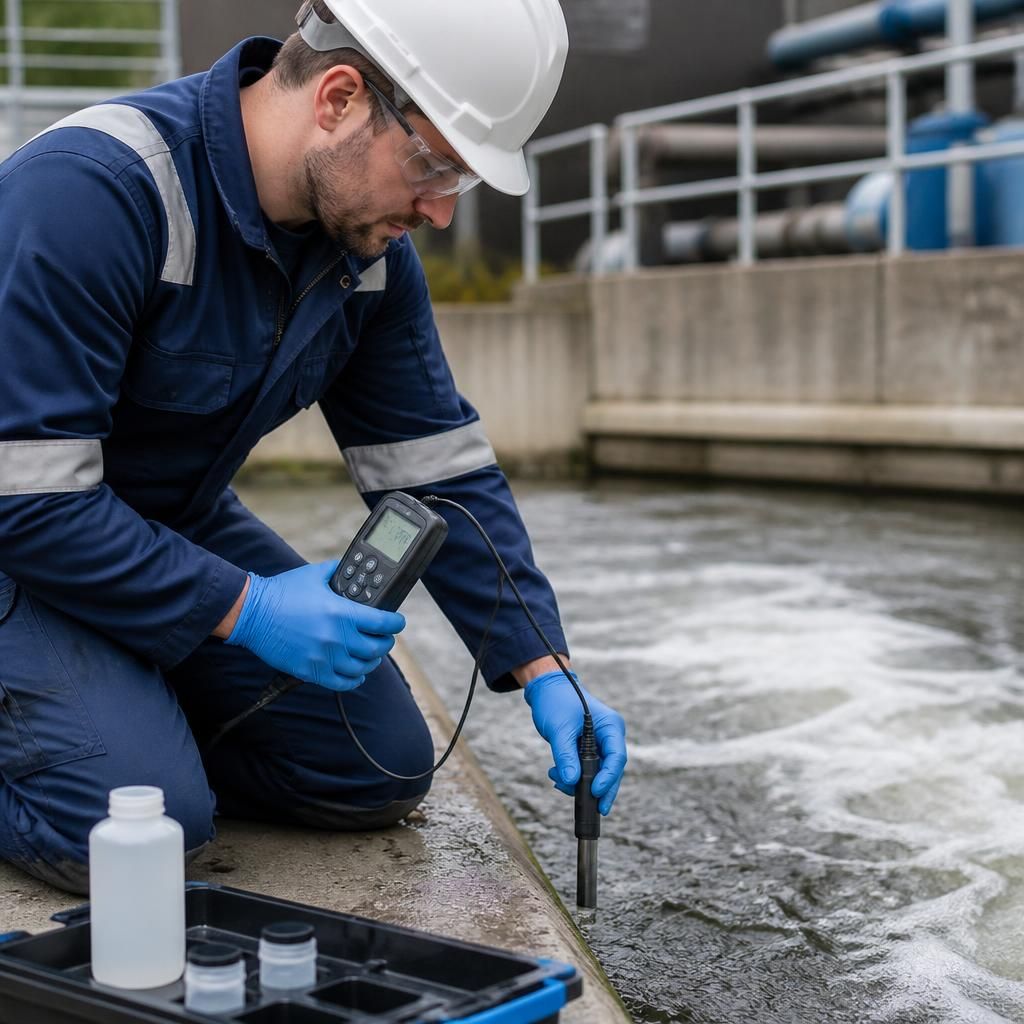
Specialist dechlorination planning support is needed when the site cannot independently verify that neutralisation has reduced residual chlorine to an acceptable level before discharge. Adding a calculated quantity of treatment chemical is not, on its own, evidence that the water is safe to release.
Support is particularly useful where the site lacks suitable test equipment, trained personnel or a reliable method for checking representative samples. The planning process should establish how samples will be taken, how results will be assessed and when discharge must be paused for further treatment or investigation. This creates a clear verification point between dechlorination and release, rather than relying on the expected performance of the treatment method.
It can also help where test results need to be understood alongside the wider work record. Readings may need to be considered with the treatment used, the time allowed for contact, the discharge conditions and any deviation from the planned sequence. A properly defined verification process gives the site a defensible basis for deciding whether discharge can proceed.
Discuss your specialist dechlorination planning needs
Discuss your proposed work with Blue Fish Water Management Ltd to determine whether specialist dechlorination planning input is appropriate and what information should be prepared. Contact the team to explore the next steps for your site.