
What responsibilities should remain with the site's water management team?
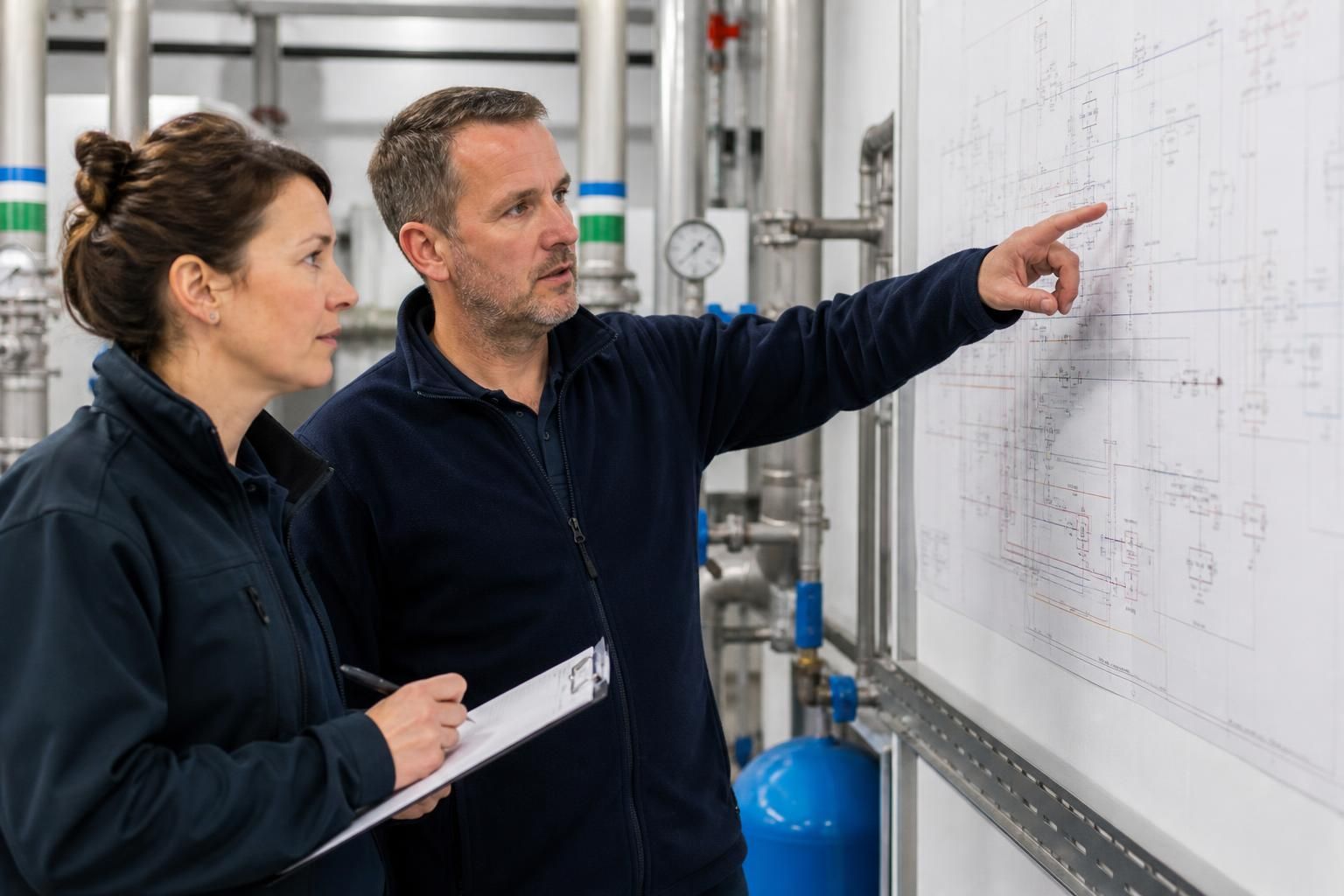
The site's water management team should retain ownership of decisions, controls and verification, even where specialist contractors carry out technical work. External support can provide expertise, testing or remedial activity, but the site team remains responsible for ensuring that the work fits the site's risk profile, operating constraints and compliance arrangements.
The team should maintain a clear allocation of duties. This normally includes naming the responsible person, identifying deputies, defining who can authorise disruptive work and confirming who has authority to stop an activity if conditions differ from the agreed plan. Responsibilities should cover both routine water management and exceptional activities such as dechlorination, system alterations or the return of a system to service.
Before work begins, the team should confirm that the proposed approach is suitable for the actual installation. This involves checking relevant system drawings, plant access, isolation points, storage arrangements, connected outlets and any areas that may remain in use. It should also identify vulnerable occupants, critical processes and any other dependency that could be affected by a temporary interruption or change in water quality.
Site management should control the interfaces between its own personnel and contractors. It should check that the appointed people are competent for their assigned tasks, that method statements and risk assessments reflect site conditions, and that required permits, isolations and access arrangements are in place. Contractors should not be left to determine site-wide operational decisions without the responsible team's approval.
Communication is another responsibility that should remain on site. The team should inform affected departments, occupants and relevant duty holders about planned restrictions, areas that must not be used, alternative arrangements and the conditions for reinstatement. This is particularly important where water systems serve healthcare areas, manufacturing processes, accommodation or other operations that cannot simply be taken out of use.
The team should define how completion will be judged before the activity starts. Acceptance arrangements may include confirmation that the required parts of the system have been treated, that unwanted disinfectant has been removed or controlled where applicable, that outlets and equipment have been dealt with appropriately, and that any required test results have been reviewed by a competent person. The site team should make the final decision on whether the affected system can return to normal operation.
It should also retain responsibility for managing deviations. If access is unavailable, an isolation fails, a result is unexpected or part of the system cannot be treated as intended, the team should record the issue, assess its effect and decide whether work must pause, be redesigned or receive further specialist input. A contractor's completion statement does not remove the need for this site-level judgement.
After the work, the team should make sure that lessons are incorporated into the site's water management arrangements. This may involve updating asset information, revising operating instructions, confirming outstanding actions and checking whether the event reveals weaknesses in maintenance, access or system design. Reviews should be proportionate to the risk, but they should be specific enough to prevent the same problem being repeated.
In practice, specialist support is most effective when the site's team retains four forms of control:
- Authority: approving the scope, method and conditions under which work can proceed.
- Operational knowledge: explaining how the water system interacts with people, processes and other building services.
- Verification: reviewing evidence that the agreed work was completed and that the system is suitable for use.
- Accountability: ensuring unresolved risks, deviations and corrective actions are owned until they are properly closed.
This division prevents dechlorination planning from becoming a contractor-only exercise. Technical tasks may be delegated, but responsibility for site decisions, safe coordination and informed acceptance should remain with the water management team.
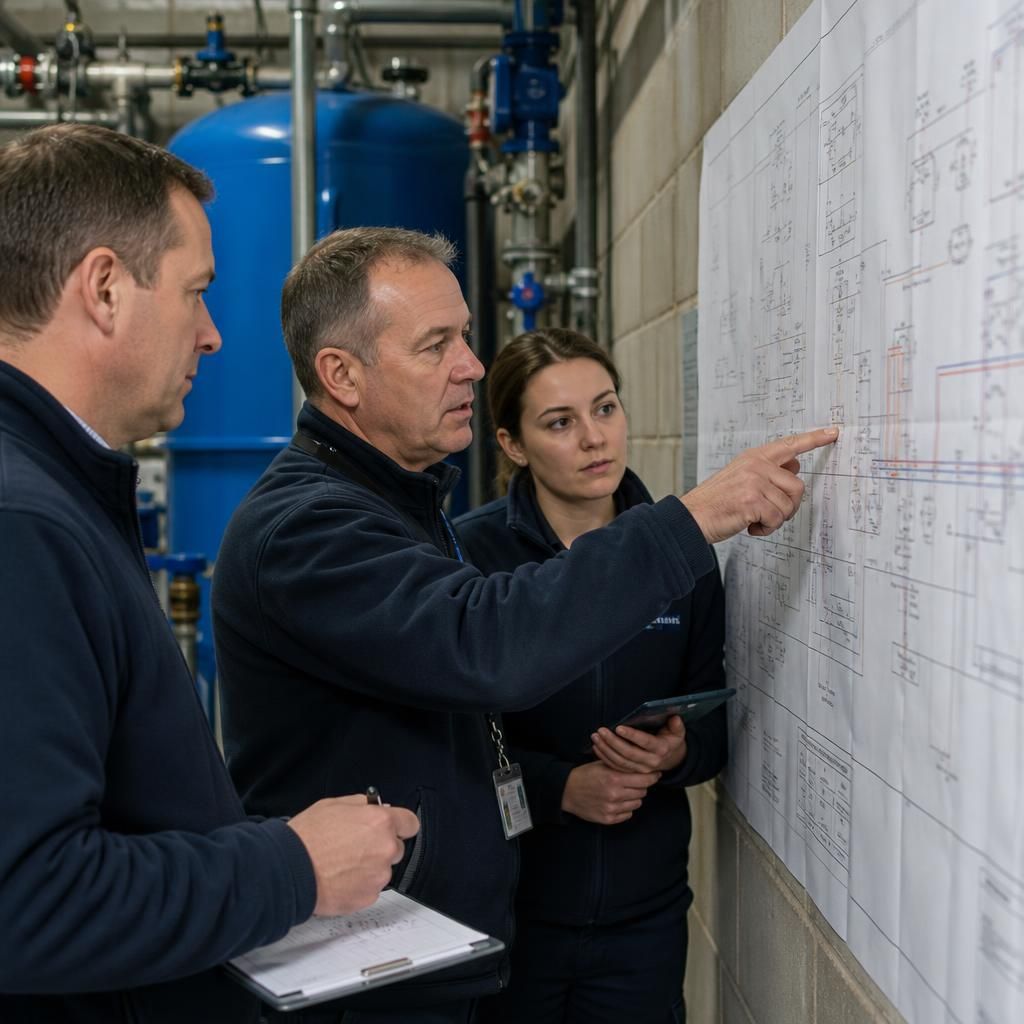
The water management team should retain responsibility for escalating water safety issues that require organisational decisions rather than technical intervention alone. This includes notifying the appropriate senior duty holder when controls cannot be implemented, access or funding constraints leave a risk unresolved, or proposed restrictions could affect essential operations.
Senior management may decide how resources and business priorities are balanced, but those decisions should be based on clear information from the water management team. The team should set out the risk, affected systems, interim controls, recommended action and consequences of delay, creating an accountable record of how outstanding water safety issues are governed.
Review Your Water Management Responsibilities
If you are reviewing who holds responsibility for dechlorination decisions and follow-up actions, speak to Blue Fish Water Management Ltd about your site’s water management arrangements. A focused review can help identify unclear ownership, unresolved controls and gaps in supporting documentation.