
What level of dechlorination planning support does a complex site need?
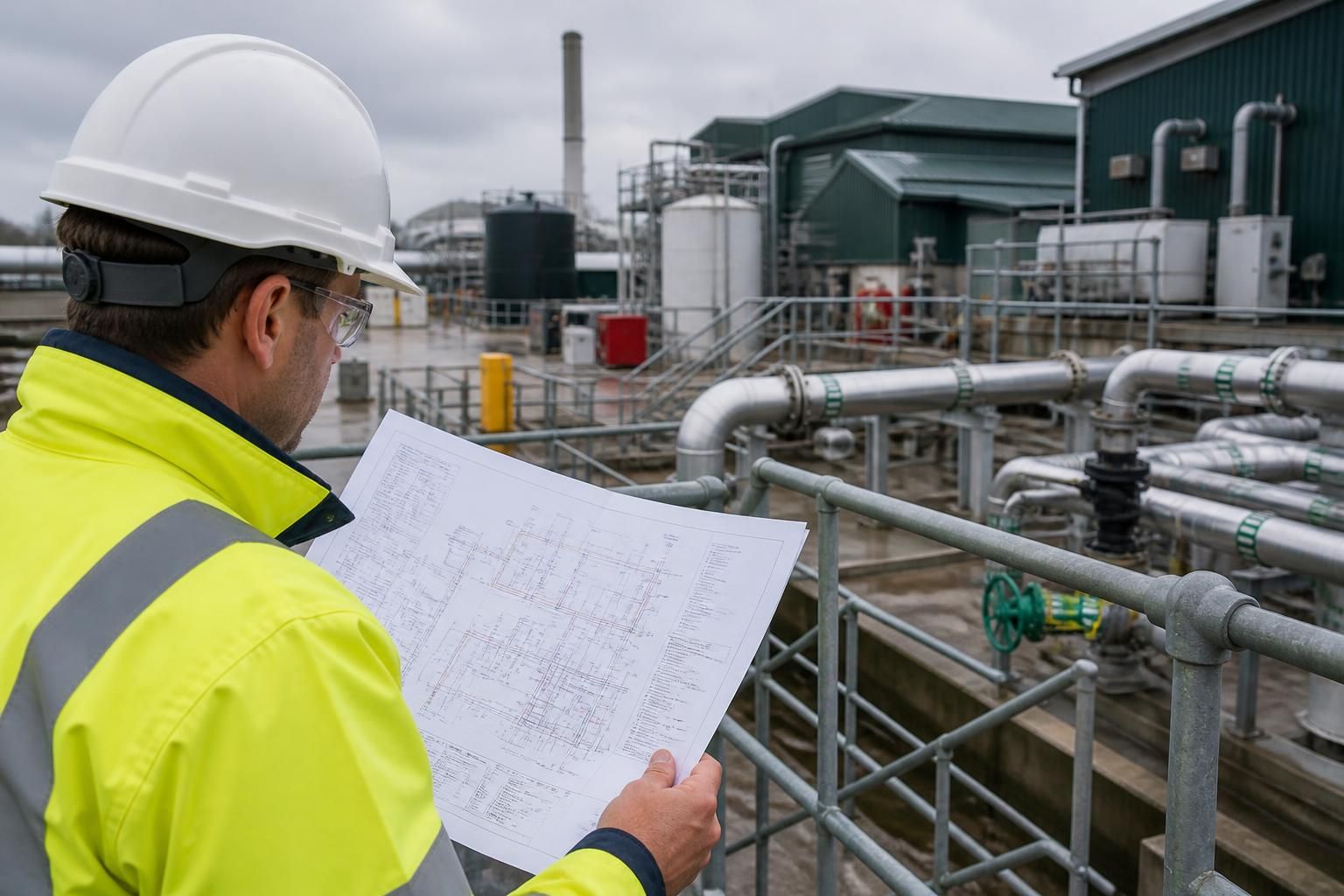
A complex site generally needs more than a standard method statement or a basic discharge instruction. It needs a documented planning process that links the proposed dechlorination activity to the site’s water systems, drainage arrangements, environmental constraints, operational procedures and legal duties. The level of specialist support should be determined by the consequences of an error, the number of parties involved and how difficult it is to control or verify the discharge.
Initial information review is the appropriate starting point. A specialist should examine available schematics, asset registers, previous sampling results, water safety documentation, drainage plans and records of earlier remedial work. This review can identify whether the site contains interconnected systems, multiple discharge points, storage tanks, redundant pipework or areas where the actual configuration differs from the drawings. Where information is incomplete, the planning process should identify what needs to be verified before work is authorised.
For a site with several buildings, tenants, departments or water systems, support may need to include a structured survey and site walkover. This is used to confirm isolation points, flow directions, drain destinations, access restrictions, sensitive equipment and areas that cannot be taken out of service easily. The resulting plan should distinguish confirmed facts from assumptions, because an unverified assumption about a valve, drain or receiving environment can undermine the entire control process.
Technical planning should set out how the treatment will be carried out without creating an uncontrolled change in water quality or an unintended release. Depending on the system, this may involve calculating or estimating discharge characteristics, selecting suitable neutralisation arrangements, defining connection points and specifying how residual disinfectant will be checked before and during discharge. The plan should also explain what happens if the treatment does not achieve the expected result, if the discharge route becomes unavailable or if the work has to stop part-way through.
Complex sites usually benefit from a written control document rather than relying on verbal instructions. A useful plan will normally include:
- the systems, areas and assets within scope;
- the sequence of work, including isolation, treatment, neutralisation, discharge and reinstatement;
- named responsibilities for the site team, contractor and any other relevant parties;
- points at which measurements, inspections or authorisations are required;
- the equipment and materials needed to control and verify the activity;
- environmental and drainage precautions;
- actions for deviations, incidents, failed checks or changed site conditions; and
- records to be retained as evidence that the work was controlled.
Independent challenge may be justified where the site has a high-risk discharge route, unusual water systems, sensitive operations or several organisations sharing responsibility. In these circumstances, specialist support can test whether the proposed controls are practical, whether the evidence is sufficient and whether the plan is consistent with the site’s wider water safety arrangements. This is different from transferring ownership of the work: the site’s appointed management team should still understand and approve the arrangements that affect its premises.
The required support also depends on who will perform the work. If an experienced contractor is responsible for the practical operation, the site may need specialist input to define acceptance criteria, review the contractor’s method and confirm the evidence required at completion. If several contractors are involved, the planning scope should address interfaces between them. Clear handovers are particularly important where one party isolates a system, another carries out treatment and a third controls drainage or reinstatement.
Monitoring and records should be proportionate but specific. The plan should identify what is measured, where samples are taken, which results permit the next stage to proceed and who reviews the findings. Records may include instrument checks, sampling results, photographs, isolation confirmations, waste or discharge documentation, deviations and final sign-off. Keeping these records together makes it easier to demonstrate that the activity followed an agreed process and supports later investigation if the system behaves unexpectedly.
Specialist involvement should normally continue through review and close-out rather than ending when the document is issued. Changes to the system, a revised discharge route, failed verification results, an incident or a change in site use may require the plan to be amended. After completion, the site should confirm that the system has been safely returned to service, that any required follow-up sampling has been arranged and that lessons affecting future work have been recorded.
In practical terms, a complex site needs support that combines document review, site-specific technical judgement, coordination between responsible parties and an auditable approval process. The best level of input is not defined by the size of the building alone; it is defined by the complexity of the water systems, the sensitivity of the discharge arrangements, the number of interfaces and the consequences if controls fail.
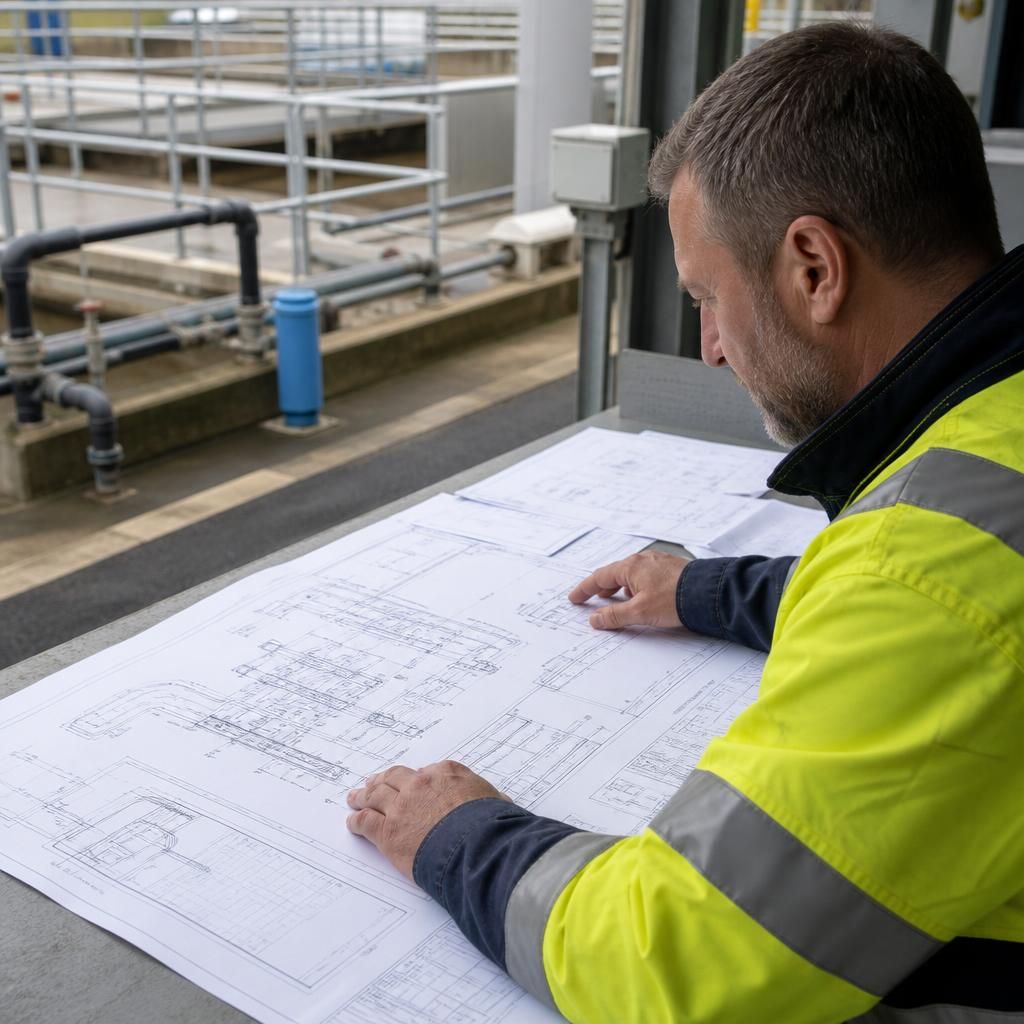
The level of dechlorination planning support should be specified by the decisions the site must make, rather than by using a label such as “standard” or “complex”. A useful brief identifies which decisions require specialist judgement, which can be made by the site team and what evidence is needed before each decision is accepted.
- Information confidence: identify which system, drainage and asset details are verified and which remain uncertain.
- Technical decisions: define where specialist advice is needed on treatment compatibility, neutralisation and discharge controls.
- Authority to proceed: set out who can accept the plan, release each stage of the work and stop the activity if conditions change.
- Evidence requirements: agree the measurements, observations and documents needed to support each decision.
- Escalation points: define the circumstances that require further technical review instead of allowing work to continue on an assumption.
This approach prevents a complex site from commissioning either too little support to control important uncertainties or more external input than the risk warrants. It also gives the water management team a clear basis for assessing whether the proposed plan is complete before work begins.
Discuss your complex site’s dechlorination planning needs
For help defining the right level of specialist input for your complex site, discuss your dechlorination planning requirements with Blue Fish Water Management.