
When is activated carbon suitable for dechlorinating water?
Activated carbon is suitable for dechlorinating water when free chlorine must be removed before discharge or a downstream process, and the flow and water quality allow sufficient contact with the carbon. Its effectiveness depends on contact time, chlorine loading and filter maintenance, so it is not appropriate for every system.
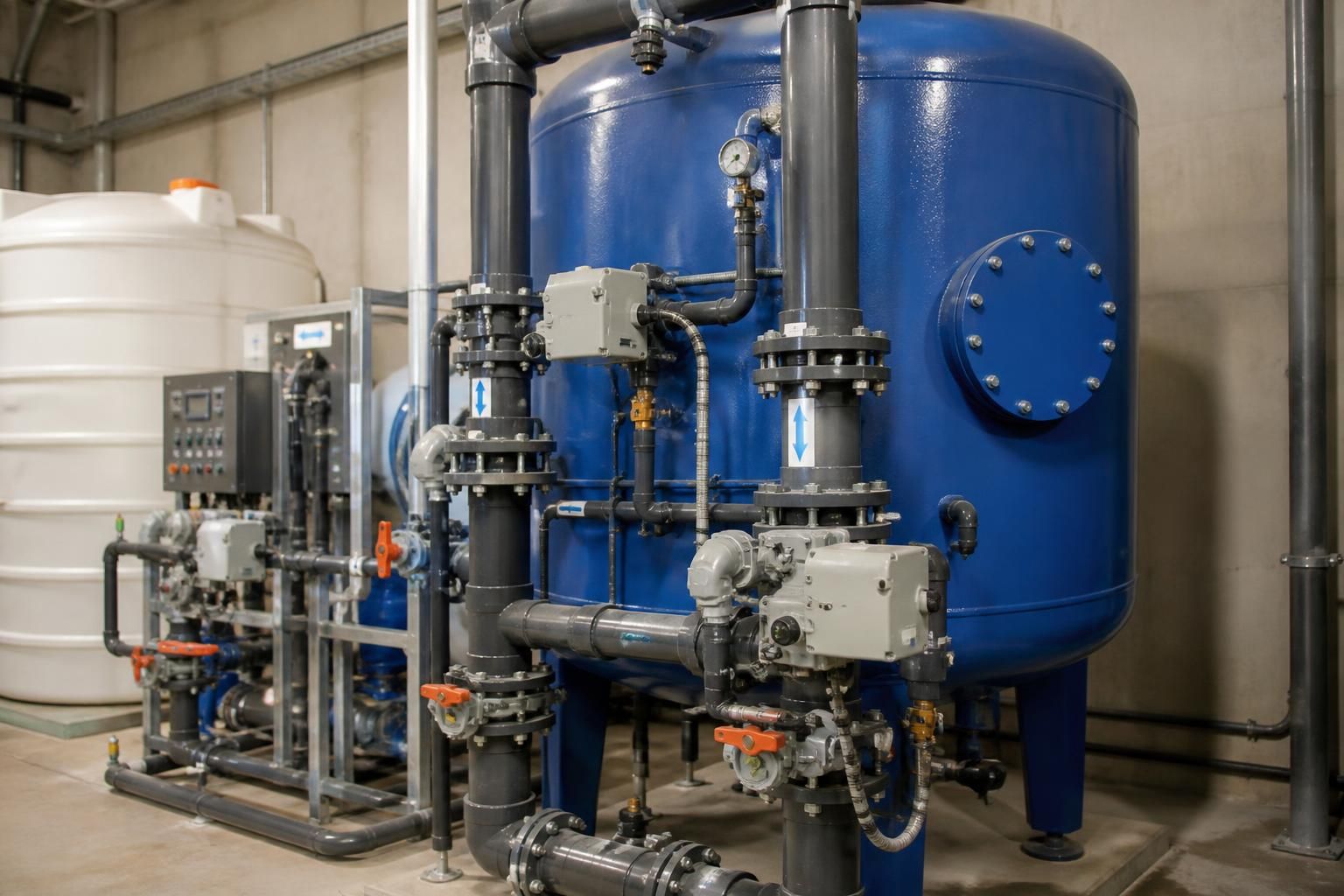
Activated carbon is most suitable where the water contains free chlorine and can be passed through a correctly sized carbon filter under controlled operating conditions. The carbon removes chlorine through a reduction reaction at its surface, converting it into chloride, rather than simply trapping it as a suspended solid. This makes it useful where residual disinfectant could affect a receiving environment, interfere with a treatment stage or damage chlorine-sensitive equipment.
Its suitability should be assessed against the whole water-treatment arrangement, not just the chlorine concentration. Important factors include:
- Disinfectant type: free chlorine is generally more readily removed than chloramine. If chloramine or another combined disinfectant is present, ordinary carbon may provide insufficient treatment unless the media and contact conditions are specifically selected for that purpose.
- Flow pattern: the filter must cope with normal, peak and intermittent flows. Short contact times, sudden surges and bypassing can allow chlorine to pass through even when the filter appears correctly installed.
- Water quality: suspended solids, oil, organic matter, iron and other contaminants can occupy the carbon surface or block the bed. Prefiltration may therefore be needed to protect the carbon and maintain an even flow.
- Required treated-water quality: the acceptable residual chlorine level should be defined before selecting the equipment. A filter intended to protect a process may have different requirements from one used to control the quality of water discharged from a system.
Carbon is often considered where a passive, continuous treatment stage is preferred and there is sufficient room for a vessel, valves and associated monitoring. It can be incorporated into a larger treatment train, provided the carbon stage is positioned and operated in a way that does not compromise other controls. It is less suitable where space is severely restricted, flow conditions vary beyond the equipment design, or the water contains contaminants likely to foul the media rapidly.
The distinction between free chlorine and chloramine is particularly important. A free-chlorine result alone does not establish that carbon will remove every disinfectant residual present. The source-water treatment regime, recent dosing history and laboratory results should be reviewed before choosing the media. Where the disinfectant chemistry is uncertain, water testing can identify what the carbon stage must actually treat.
Maintenance is central to the method. Carbon does not have an unlimited treatment capacity, and performance declines as reactive sites are consumed or the bed becomes fouled. A suitable operating plan should cover:
- checking influent and effluent disinfectant residuals at a frequency appropriate to the risk;
- recording flow, pressure loss and any evidence of channeling or bypass;
- backwashing or other cleaning where the equipment design permits it;
- replacing or reactivating the carbon when monitoring shows declining performance, rather than relying only on a calendar interval; and
- managing the vessel and media hygienically, because a damp carbon bed can provide conditions that support microbial growth if it is poorly maintained or left stagnant.
Discharge arrangements also need consideration. Removing chlorine may protect a receiving watercourse or sewer process, but the resulting discharge must still meet the relevant consent, trade-effluent requirements and site controls. Carbon treatment does not automatically make water suitable for discharge, particularly if other substances, elevated temperature, suspended solids or unusual pH are present. The discharge point, sampling requirements and any need for documented evidence should be established before installation.
Activated carbon is therefore a good option when the disinfectant is suitable for carbon removal, the filter can be sized for the actual hydraulic and water-quality conditions, and monitoring and media management can be maintained. It should not be selected solely because carbon is widely available. A site assessment, representative water analysis and review of the intended discharge or downstream process provide the basis for deciding whether carbon is appropriate or whether another dechlorination method would offer more reliable control.
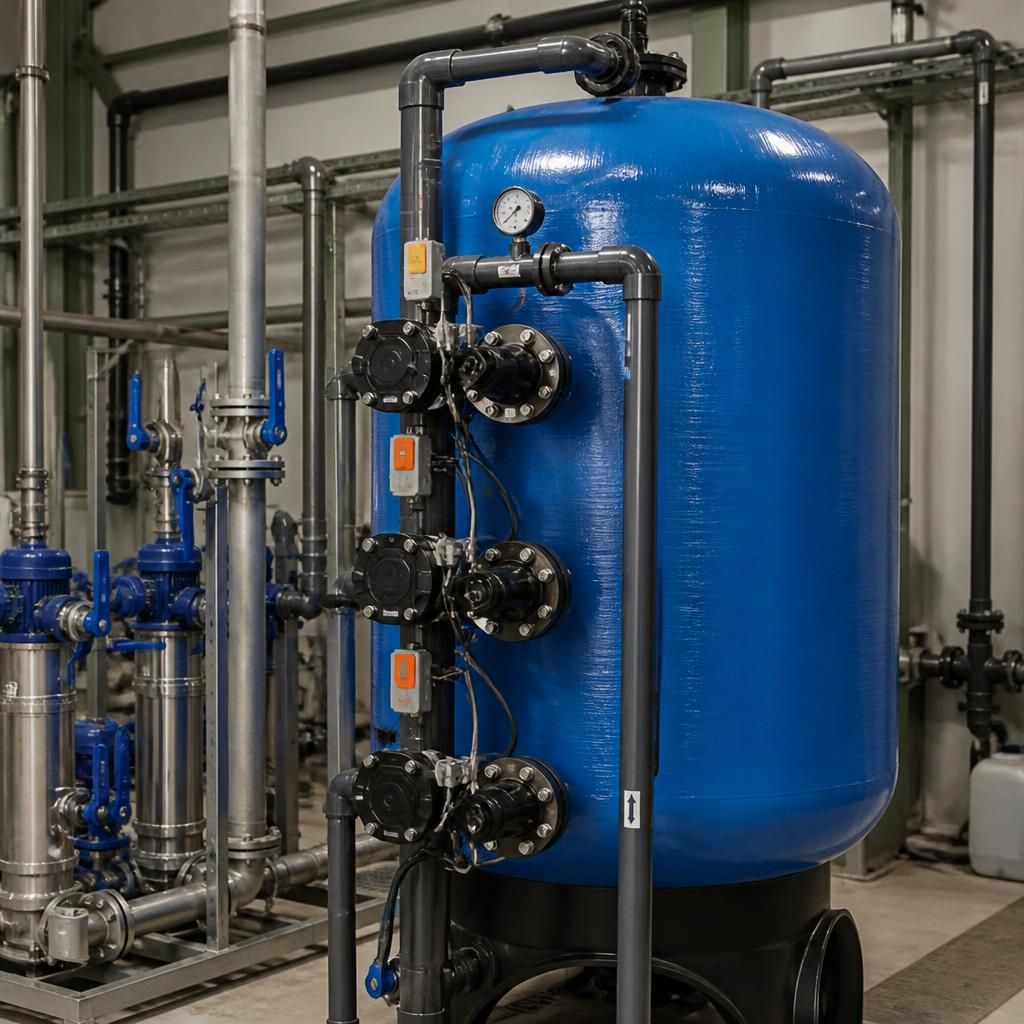
Activated carbon is most suitable when removing the chlorine residual will not leave downstream storage, pipework or equipment without an important microbiological control. If the treated water will remain in a system for any period, the position of the carbon filter should be assessed carefully: placing it too early can remove disinfectant protection before the water reaches the point where it is needed.
For this reason, carbon dechlorination is often better located close to the discharge point or immediately before a chlorine-sensitive process, subject to the system design and applicable water-safety controls. The assessment should consider where the residual is removed, how long the water remains in contact with downstream surfaces, and whether additional monitoring is needed after treatment.
Discuss Whether Activated Carbon Is Suitable
If you are considering activated carbon, speak to Blue Fish Water Management Ltd about your flow conditions, disinfectant residual and intended discharge. Their assessment can help determine whether carbon is suitable for your application or whether another dechlorination method should be considered.