
How do discharge conditions affect the choice of dechlorination method?
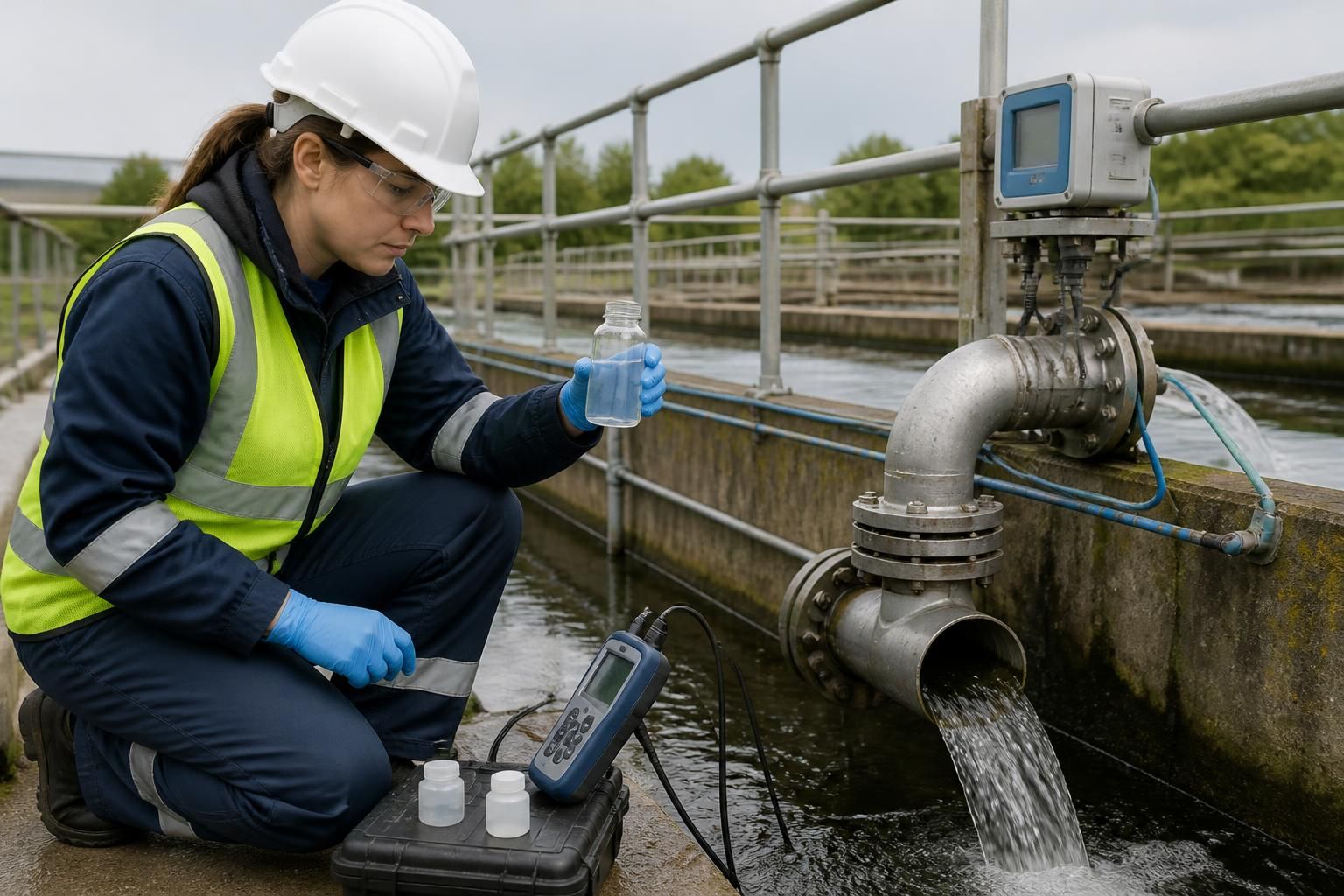
Discharge conditions determine which dechlorination method is technically suitable, environmentally acceptable and practical to control. The correct choice depends not only on the chlorine residual, but also on how the discharge behaves, what it enters, what consent or permit conditions apply, and whether the treated water can be verified before release.
The receiving environment is a primary consideration. Water discharged to a surface watercourse, foul sewer, trade effluent system, ground or a contained tank may be subject to different acceptance criteria. A method that is appropriate for a controlled sewer discharge may not be suitable for a sensitive receiving water. The assessment should establish the discharge route, the environmental sensitivity of the receptor and any conditions imposed by the relevant water company, environmental regulator, site owner or permit.
Discharge conditions can also influence the required treatment endpoint. The objective is not simply to add a dechlorinating agent or pass water through carbon. Treatment must reduce the chlorine residual to a level permitted for the receiving environment without creating a separate problem, such as excessive chemical residual, an unsuitable pH or a harmful reaction product. Where the required endpoint is particularly stringent, the method may need tighter control and verification rather than relying on an estimated dose or nominal contact time.
Flow behaviour affects equipment and control. A steady, measurable flow is generally easier to treat continuously because the dosing rate or contact time can be adjusted to match it. Intermittent, pulsed or rapidly changing discharge can make a fixed setting unreliable. In those circumstances, a batch approach, temporary holding capacity, flow-paced dosing or staged treatment may provide greater control. Holding water before discharge can also allow sampling and adjustment, provided the tank, pipework and associated controls are suitable for the water being handled.
Chlorine demand is not always constant during a release. Residual levels may differ between the start, middle and end of a discharge, particularly where water has been stored, circulated or drawn from different parts of a system. A treatment method should therefore be assessed against the highest credible loading and the pattern of change, not only an average result. Sampling before treatment, during treatment and at the final discharge point can show whether the process remains effective as conditions change.
Controlled dilution may be considered where a suitable volume of compatible water is available and the resulting discharge remains within the applicable acceptance conditions. It requires reliable control of both streams and a clear calculation of the final characteristics. It is not an appropriate substitute for treatment where dilution would merely spread a contaminant, exceed the permitted discharge volume or produce an unacceptable load for the receiving environment.
Activated carbon is influenced by the water’s quality and by the required throughput. Carbon performance can be affected by suspended solids, organic matter and other substances that compete for available adsorption capacity or block the media. The contact arrangement, flow distribution and condition of the carbon must be suitable for the discharge. A carbon vessel may be preferable where a consistent flow can be maintained and the media can be inspected, changed and disposed of appropriately. Breakthrough monitoring is important because clear-looking water is not proof that chlorine removal is still effective.
Chemical neutralisation can be adaptable where the discharge is variable or where a defined dose can be related to measured chlorine demand. It requires careful selection and handling of the neutralising chemical, accurate dosing and sufficient mixing. The assessment should consider the effect of the treatment on pH, dissolved solids and any residual chemical, as well as the possibility of overdosing. Poor mixing can leave untreated pockets, while excessive dosing can create a different compliance issue even when the chlorine residual has been reduced.
Other discharge characteristics may affect the decision:
- Temperature: this can influence reaction behaviour, dissolved oxygen and the condition of the receiving water.
- pH: it may affect chlorine chemistry and the performance or acceptability of chemical treatment.
- Suspended solids and turbidity: these can interfere with sampling and reduce the practical performance of some treatment arrangements.
- Organic content: this can increase treatment demand and affect activated carbon capacity.
- Other chemicals: cleaners, corrosion inhibitors or process chemicals may react with a neutralising agent or alter the discharge classification.
- Discharge duration: a short one-off release may justify a different arrangement from a recurring or continuous discharge that needs permanent monitoring and maintenance.
Monitoring requirements should be considered alongside the treatment method, rather than added afterwards. Suitable monitoring may include measuring the chlorine residual before and after treatment, checking pH where relevant, recording flow and retaining results linked to each discharge. Sampling points need to represent the actual water released; a result from a well-mixed holding tank may not represent an untreated or poorly mixed outlet.
For higher-risk or regulated discharges, a documented operating procedure should define the treatment settings, checks before release, actions when results fall outside the required range and arrangements for stopping or containing the discharge. The method should also account for calibration, reagent replenishment, carbon replacement, equipment cleaning and management of spent media or chemical containers.
In practice, method selection is a comparison of treatment reliability against the actual discharge constraints. A provider should review the discharge route, operating pattern, water chemistry, treatment endpoint, available space, access for monitoring and the applicable consent or permit conditions before recommending dilution, carbon or chemical neutralisation. Where conditions are uncertain or likely to change, controlled containment and staged verification may be safer than committing immediately to a fixed treatment arrangement.
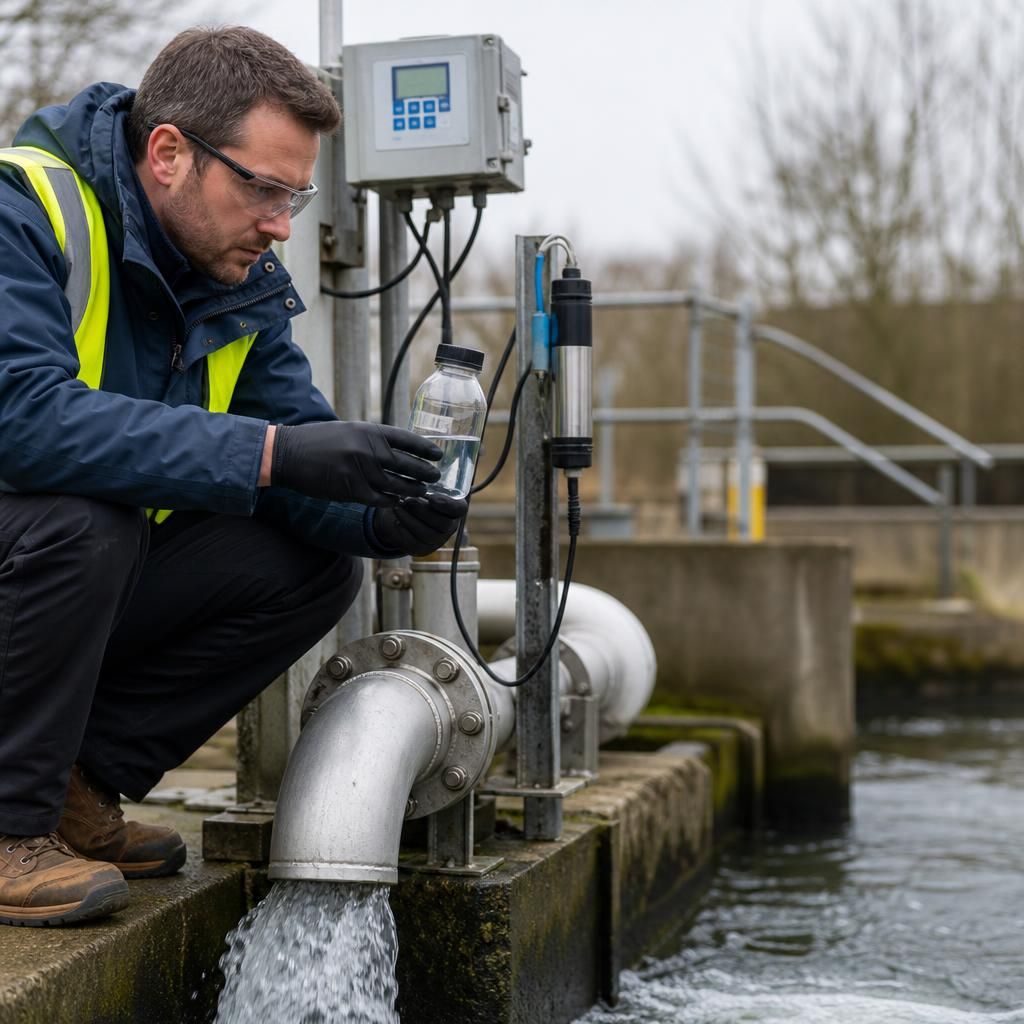
The discharge point and the way compliance is assessed can influence method selection as much as the treatment equipment itself. Before choosing a process, confirm where the official sample must be taken, which water stream it must represent and whether the discharge conditions require results from individual releases or an ongoing monitoring record. A treatment method that performs well within a vessel may not demonstrate compliance if the final sample point is beyond an area where untreated and treated flows can mix reliably.
This is particularly important where a discharge passes through shared pipework, a pumping arrangement or an intermediate tank before reaching the receiving system. The sampling and treatment layout should prevent bypasses, backflow or unrepresentative samples. Clear records should link each result to the relevant discharge, treatment setting and operating conditions, allowing any failure to be investigated rather than attributed solely to the dechlorination method.
Discuss how discharge conditions affect your dechlorination method
Discuss your discharge conditions with Blue Fish Water Management Ltd to identify the information needed for a suitable dechlorination approach. A structured review can help clarify the practical and compliance requirements before treatment is selected.