
What information is needed to specify suitable chlorine filters and equipment?
Specifying suitable chlorine filters and equipment requires information about the water source, chlorine concentration and other water-quality results, intended use, flow rate, peak demand, pressure, temperature and available installation space. The specification should also define the required treatment performance, operating conditions, monitoring arrangements and any relevant compliance or site constraints.
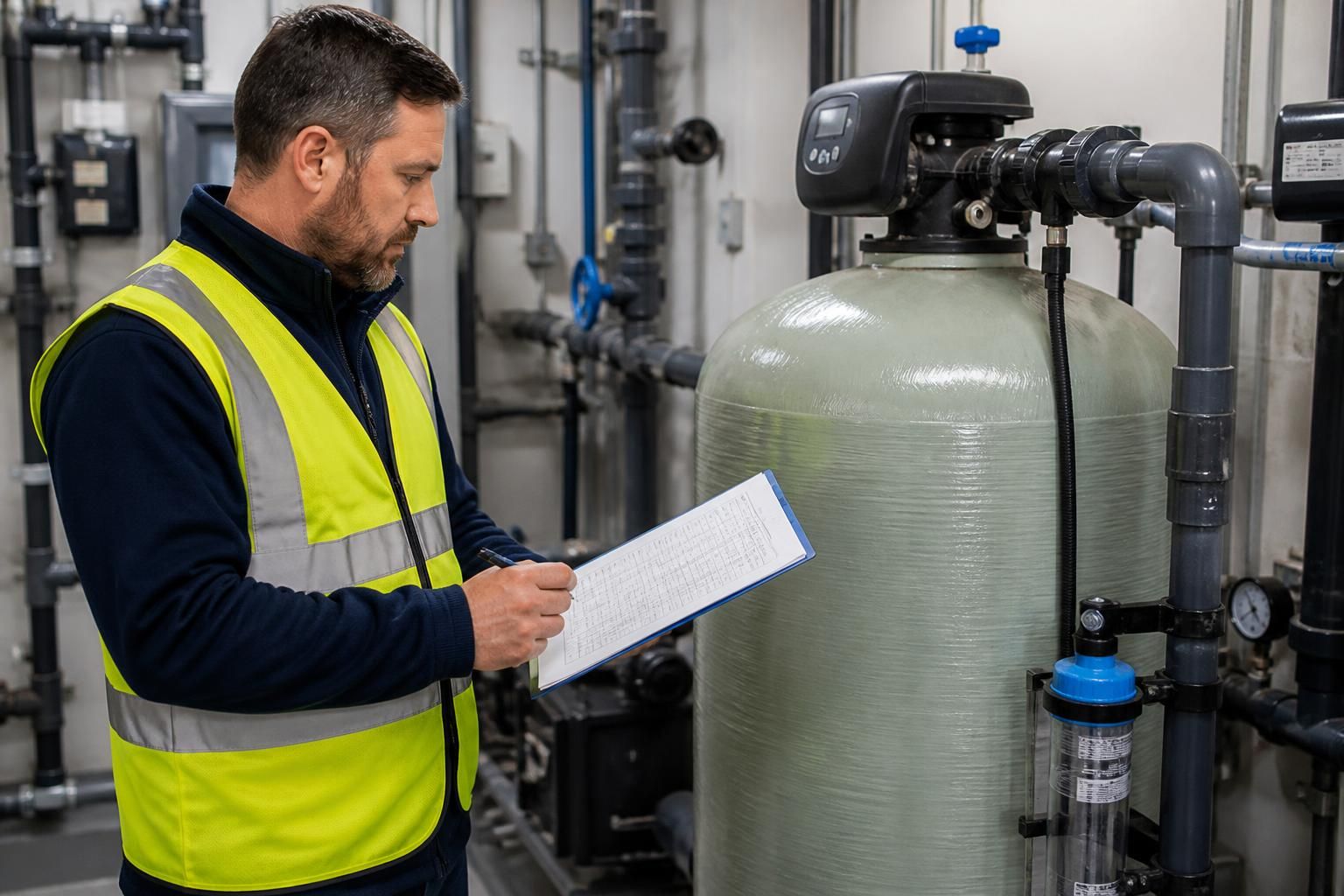
A suitable chlorine filter and equipment specification depends on verified water-quality data, a clearly defined treatment objective and accurate information about the existing system. The specification should show not only what the equipment must remove or control, but also how it will be operated, monitored, maintained and integrated with the site.
The following information should be assembled before equipment is selected:
- Purpose of treatment: explain whether the system is intended to remove chlorine for process use, protect downstream equipment, improve water quality at a point of use or meet a defined operational requirement. State the acceptable treated-water condition and identify any uses where chlorine must be retained rather than removed.
- Water-quality evidence: provide recent laboratory results for relevant parameters such as pH, turbidity, hardness, alkalinity, iron, manganese, organic matter and microbiological indicators. The results should be representative of the water entering the proposed filter. Where conditions vary, samples from different operating periods may be needed rather than relying on one analysis.
- Source and supply history: record whether the water comes from a mains supply, private supply, borehole, storage tank or a combination of sources. Previous disinfection work, changes in source quality, tank cleaning records and known incidents of contamination can affect media selection and pretreatment requirements.
- Existing installation details: provide pipework drawings, connection sizes, pipe materials, valve arrangements, tank and pump details, electrical information and photographs of the proposed connection points. This helps identify compatibility issues and whether isolation, bypass or additional protection will be required.
- Operating pattern: state how the system is expected to run, including whether demand is continuous, intermittent or seasonal. Include periods when the site is unoccupied, production stops or water use changes significantly, as stagnation and irregular loading can affect filter performance.
- Hydraulic and process constraints: confirm the minimum pressure required by downstream users, allowable pressure loss through the treatment train and the consequences of a filter reaching capacity. If a bypass is necessary, its control and approval arrangements should be defined so untreated water cannot be used unintentionally.
- Control and monitoring requirements: specify which conditions need to be measured, such as treated-water quality, differential pressure, operating status, valve position or media exhaustion. Define alarm levels, fault indications, data recording, local display requirements and any connection to a building management or process control system.
- Backwash and waste arrangements: identify whether the equipment requires backwashing, regeneration, media replacement or drainage. The specification should confirm the available drain connection, discharge route, waste classification and any restrictions on disposing of washwater or spent media.
- Materials and hygiene requirements: require wetted components, seals, vessels and pipework to be suitable for the water chemistry and intended application. For potable or otherwise hygiene-sensitive systems, the specification should also set out the required materials documentation, cleaning arrangements and protection against recontamination.
- Maintenance information: define who will inspect the equipment, what consumables will be used, how media condition will be assessed and how replacement or servicing will be recorded. Access for safe servicing and a clear method of isolating the equipment should be included in the design information.
- Compliance and site controls: provide the relevant risk assessments, water hygiene procedures, permit requirements, electrical rules and site-specific contractor controls. Any restrictions arising from occupied premises, sensitive processes or controlled areas should be identified before installation.
It is also useful to state how the completed installation will be accepted. This may include confirmation that connections are sound, controls and alarms operate correctly, treated-water samples meet the agreed criteria and operating manuals, test records and maintenance instructions have been provided. Defining these requirements at the specification stage prevents uncertainty over whether the equipment has been commissioned correctly.
Where information is incomplete, a competent water treatment specialist should identify the gaps rather than select equipment from a nominal flow rate alone. Sampling, a site survey and review of existing records can establish the design basis and help ensure that the selected chlorine filter is appropriate for the actual water, operating conditions and compliance obligations.
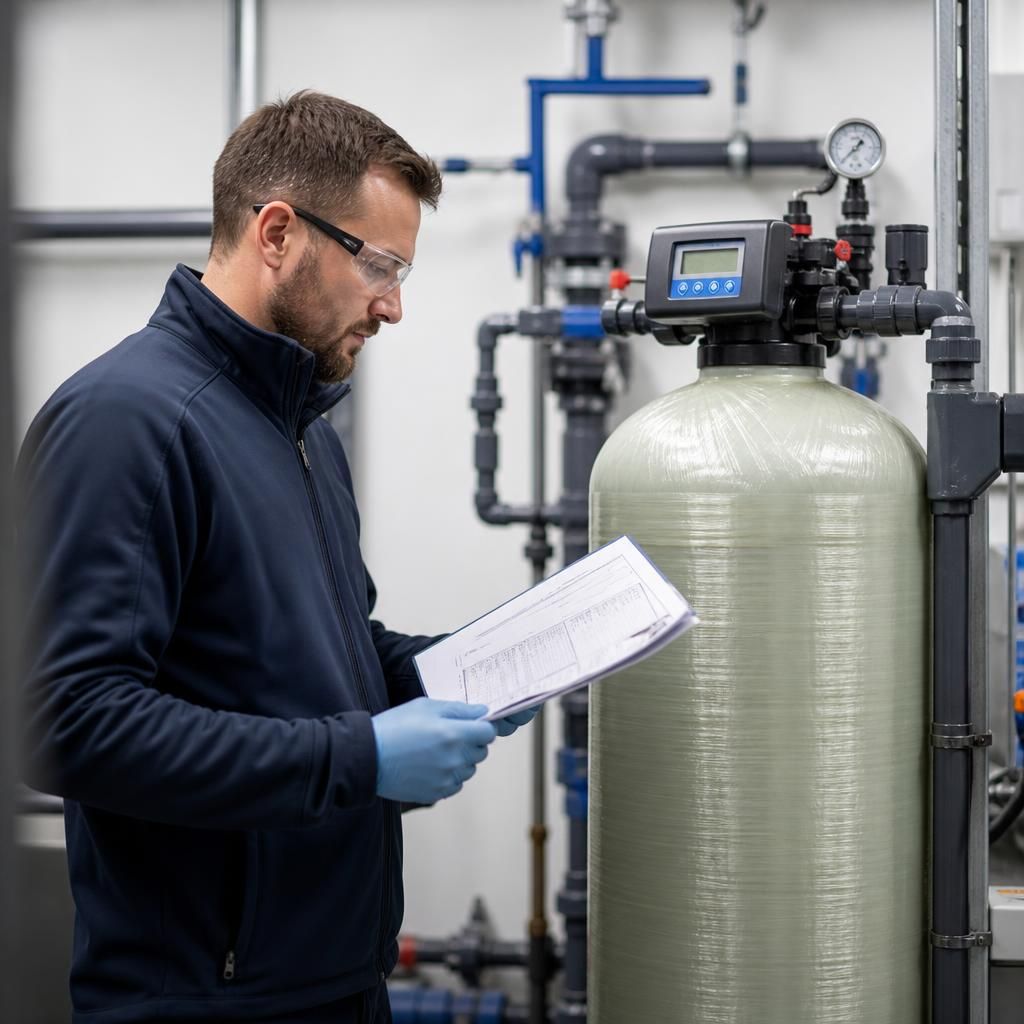
The specification should state what happens if chlorine filtration is interrupted, because this determines whether a single vessel is suitable or whether duty-and-standby equipment, automatic changeover or another resilient arrangement is required. The decision should reflect the importance of the downstream process, the acceptability of temporary untreated water and the consequences of taking a vessel out of service.
It should also define how capacity will be demonstrated over the expected operating period. This may include the required chlorine reduction at the design flow, the point at which media is considered exhausted, the method for confirming performance and the records needed to support acceptance. Setting these criteria before quotations are compared helps distinguish equipment that merely matches the connection size from a system designed for the site's actual operational risk.
Discuss your chlorine equipment specification
Discuss your proposed chlorine filter and equipment specification with Blue Fish Water Management Ltd, including the available site information and any unresolved design questions. This allows the treatment requirements to be reviewed before equipment is selected.