
What should a water chlorination quotation include?
A water chlorination quotation should clearly set out the system included, initial inspection and testing, proposed treatment method, chlorine verification, flushing and post-treatment sampling. It should also identify reporting and compliance documentation, any assumptions or remedial work excluded, the expected timescale and a transparent breakdown of costs.
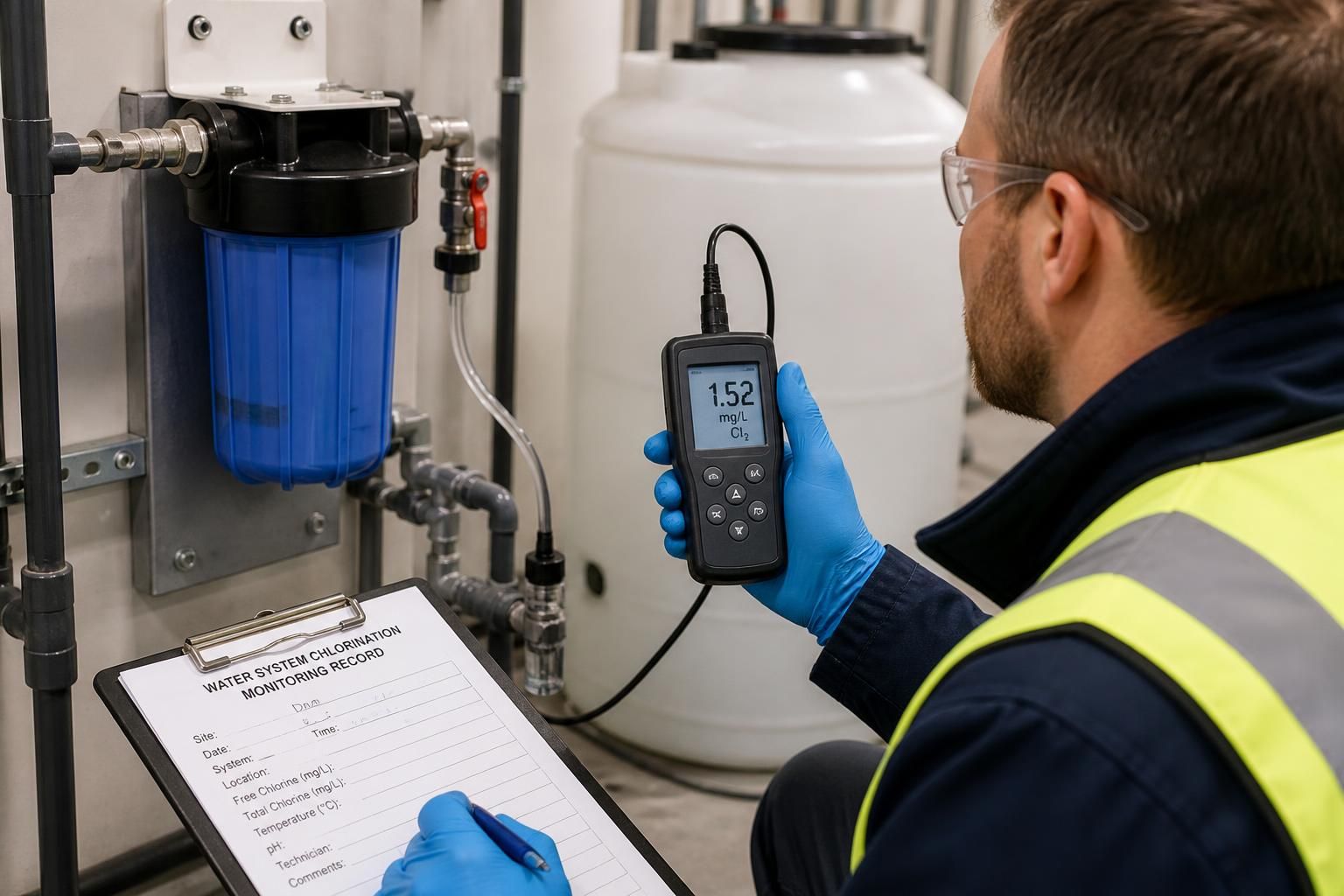
A water chlorination quotation should be a sufficiently detailed technical and commercial document to show exactly what the contractor will do, what the client must provide, and how the charge has been calculated. A price alone is not enough: the quotation should allow the duty holder or facilities manager to compare like-for-like proposals and confirm that the work will produce defensible water safety records.
The scope should identify the premises, the relevant water systems and the parts of each system included. This may include cold-water storage and distribution, hot-water services, secondary return pipework, outlets, associated plant and sections that are difficult to access. If only part of a system is being treated, the boundaries should be stated clearly. The quotation should also say whether multiple buildings, risers, tanks or separately controlled systems are included, rather than relying on a general description such as “the water system”.
A sound quotation explains the basis on which the work has been designed. This normally includes information obtained from drawings, asset registers, previous inspection records, site discussions or a preliminary survey. Where the system has not yet been fully inspected, the document should distinguish confirmed information from assumptions. It should also identify matters that could alter the method or price, such as restricted access, unavailable isolation valves, poor pipework condition, dead legs, storage tanks requiring cleaning, or outlets that cannot be taken out of service.
The proposed treatment should be described in operational terms, including:
- the disinfectant or treatment approach to be used;
- how the system will be isolated and protected during the work;
- how contact conditions will be established and maintained;
- how treated water will be discharged and replaced;
- how building users, occupants and relevant contractors will be protected from exposure; and
- any requirements for access, shutdowns, permits, escorts or coordination with other works.
The quotation should explain the checks that determine whether the treatment has been applied as intended. This is more useful than simply stating that the system will be “tested”. It should identify the sampling locations or coverage, the type of measurements to be taken, the records that will be produced and the action to be taken if results do not meet the agreed criteria. Where laboratory analysis is proposed, the quotation should identify the relevant testing arrangements and distinguish field measurements from samples sent for analysis.
Commercial terms should be sufficiently transparent for the client to understand the final liability. The document should state whether the price includes labour, equipment, chemicals, sampling, laboratory charges, transport, waste handling, reinstatement and documentation. It should also explain VAT treatment where relevant, payment stages, quotation validity and the circumstances in which additional charges could arise. A variation process is important: remedial work, replacement components, additional treatment or inaccessible areas should not be treated as automatically included unless the quotation says so.
Responsibility should be allocated between the provider and the client. For example, the client may need to provide water system information, arrange access, notify occupants, authorise shutdowns, make isolation points available and ensure that critical activities can be paused. The provider should identify the information or conditions required before work begins. This prevents a quotation from appearing comprehensive when important preparatory duties remain with the client.
The proposed programme should be realistic for the building and its operating constraints. It should separate preparation, treatment, discharge, reinstatement and any laboratory reporting, while identifying dependencies such as access to all outlets or approval of a shutdown. If the premises cannot be taken out of service in one operation, the quotation should explain whether the work will be phased and what that means for coordination and cost.
Finally, the quotation should specify the records that will be handed over and how unresolved issues will be reported. Useful records can include the treated system boundary, method statement or treatment record, readings, sample results, deviations, photographs where appropriate, certificates and recommendations for follow-up action. These documents should be capable of being retained within the site's water safety management system and reviewed by the responsible person.
Before accepting a quotation, the client should check that the scope, exclusions, responsibilities, treatment basis, acceptance criteria and variation arrangements are all unambiguous. Blue Fish Water Management can help commercial and industrial clients interpret these points and develop a quotation that connects the practical work with the site's wider legionella control records.
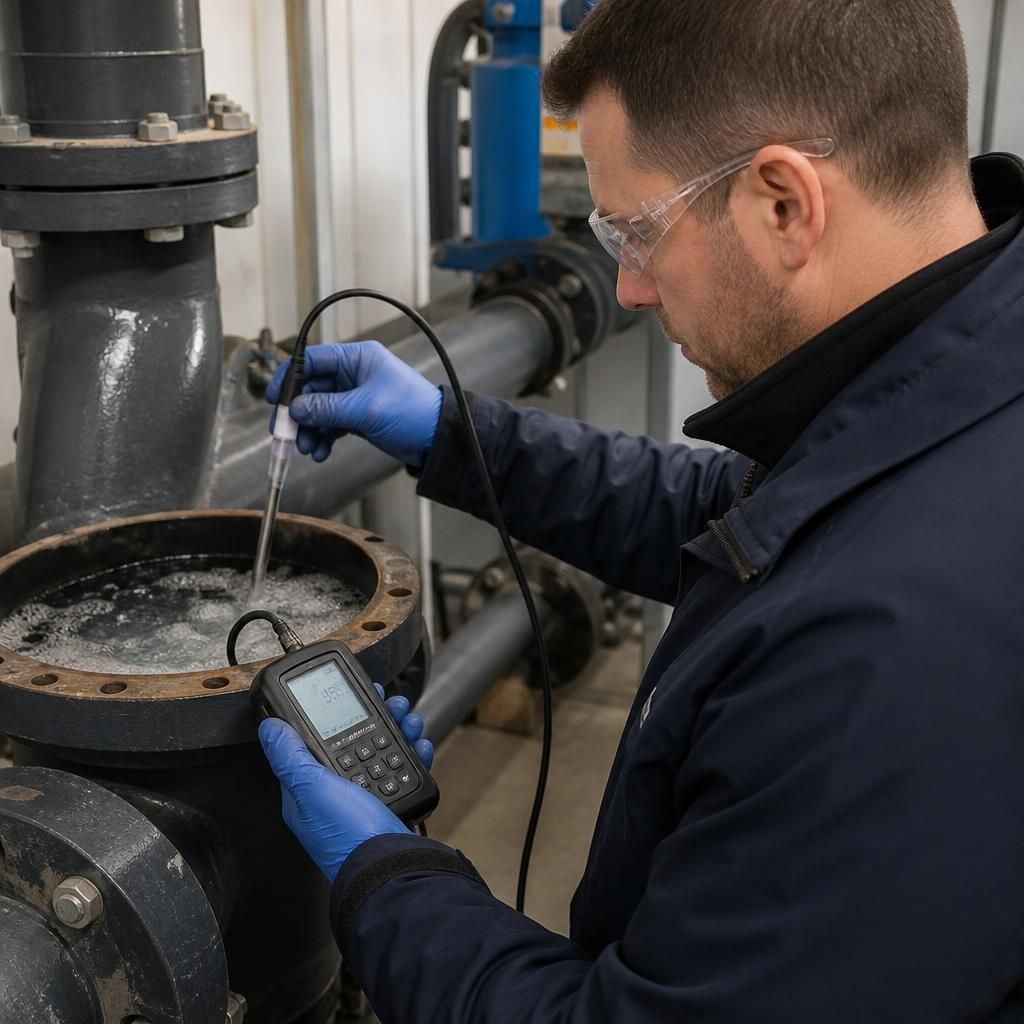
A water chlorination quotation should distinguish between the work proposed and the evidence that can only be produced after treatment is completed. A certificate issued in advance cannot confirm that the system was successfully disinfected; meaningful certification must relate to the system actually treated, the method used, the readings recorded and any post-treatment sample results.
The quotation should therefore explain what document will be issued at completion and the conditions for issuing it. If results are unsatisfactory, or parts of the system could not be treated, the final record should identify those limitations rather than presenting the work as fully complete. This distinction helps the responsible person assess whether the quotation will provide useful evidence for the site's water safety records, rather than simply a document carrying the word “certificate”.
Discuss your water chlorination quotation
Discuss your proposed water chlorination work with Blue Fish Water Management to clarify the scope, evidence requirements and any site-specific considerations before accepting a quotation.