
When should a commercial storage tank undergo chlorination?
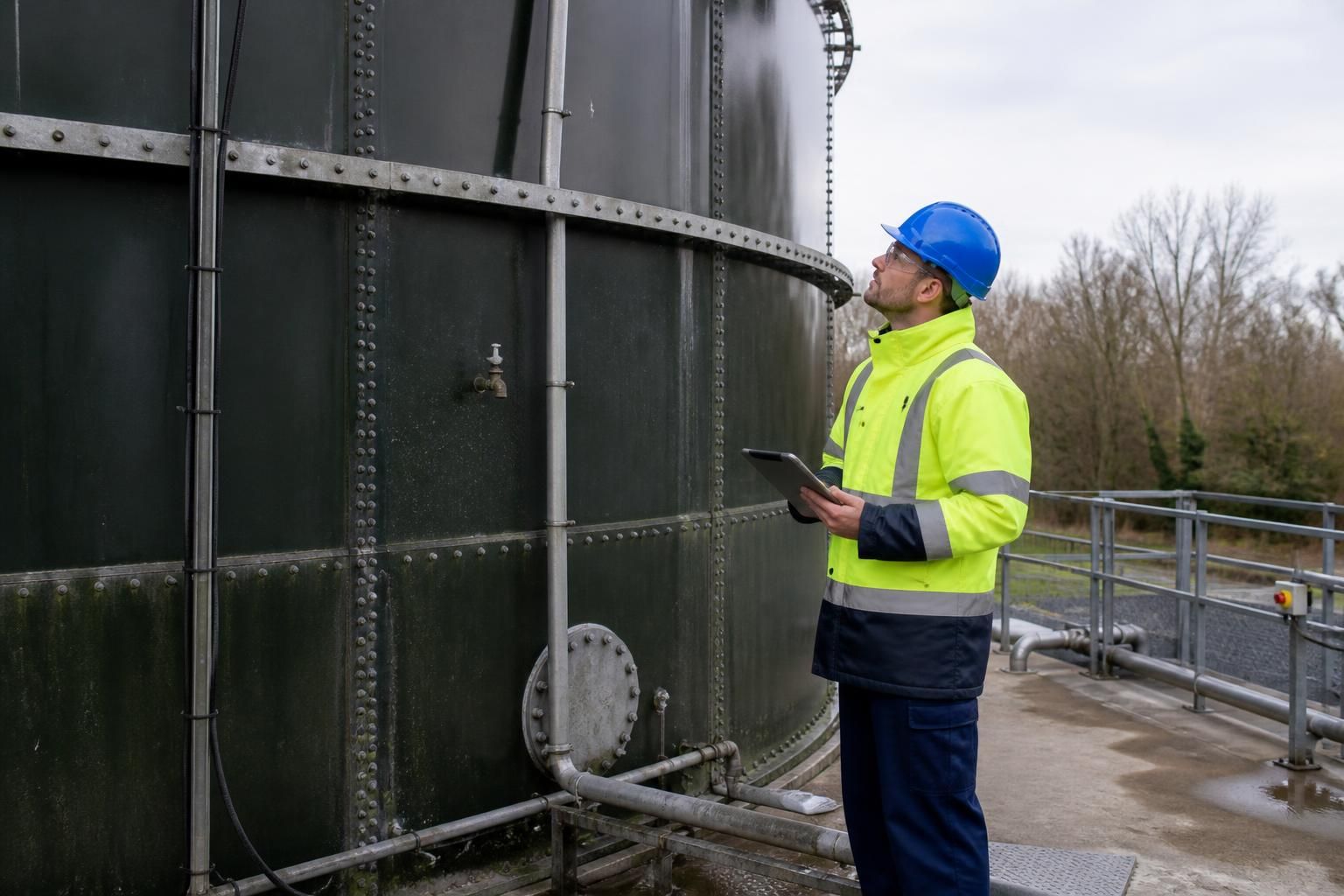
There is no universal calendar interval for commercial storage tank chlorination. The appropriate time is determined by the water safety risk assessment, the tank’s condition, monitoring results and any change that could affect water quality. Chlorination is a controlled disinfection measure, not a substitute for regular inspection, cleaning, temperature control, turnover and ongoing system management.
In practice, a tank is more likely to require chlorination when routine controls no longer provide sufficient assurance. Relevant indicators may include:
- evidence that the tank, associated pipework or incoming supply has become contaminated;
- microbiological results that require investigation or corrective action;
- visible deposits, biofilm, corrosion products or other conditions that could support bacterial growth;
- repeated failures in monitoring or control measures, such as unsuitable temperatures or poor water turnover;
- a significant change in how the premises, tank or distribution system is used; or
- an assessment showing that existing measures do not adequately control the risk to building users.
It should not normally be treated as an automatic annual task. Applying chlorine without understanding why the intervention is needed can leave the underlying problem unresolved and may expose the system to unnecessary chemical treatment. A competent person should first establish whether the issue relates to the tank itself, the distribution network, operating conditions, contamination at another point, or inadequate management controls.
The timing should also take account of how the premises operates. Treatment needs a period during which the relevant water services can be isolated, drained, dosed, held for the required contact time and thoroughly flushed. Planning it alongside suitable maintenance activity can reduce disruption, but the system should not be returned to normal use until the disinfectant has been removed or reduced to an acceptable level and the necessary checks have been completed.
Before work begins, the responsible person should confirm the scope of the system, the tank’s capacity and condition, the connected outlets, the materials used in the installation and any sensitive equipment that could be affected. The method and chemical concentration must be selected by a suitably competent person, with appropriate controls for chemical handling, discharge, access and protection of building occupants. Chlorination of one tank may not resolve a problem elsewhere in the system, so the treatment boundary must be clearly defined.
Post-treatment verification is an essential part of deciding whether the tank can return to service. This may include recording disinfectant readings during the process, confirming that flushing has removed residual chemical, inspecting the tank and taking appropriately timed water samples. Where microbiological testing is required, samples should be collected and interpreted by a competent laboratory, with any unsatisfactory result investigated rather than simply followed by repeated dosing.
Records should explain why chlorination was selected, when it took place, which parts of the system were treated, the method used, the results obtained and any further action required. These records support the site’s written water safety plan and help determine whether additional engineering or management measures are needed. If the same tank repeatedly requires disinfection, the review should focus on the cause of recurrence rather than relying on chlorination as a permanent solution.
For a commercial premises, the final decision should therefore be made from current risk information rather than an arbitrary date. A documented assessment, competent treatment plan and post-chlorination verification provide a more reliable basis for deciding when the tank is safe to place back into service.
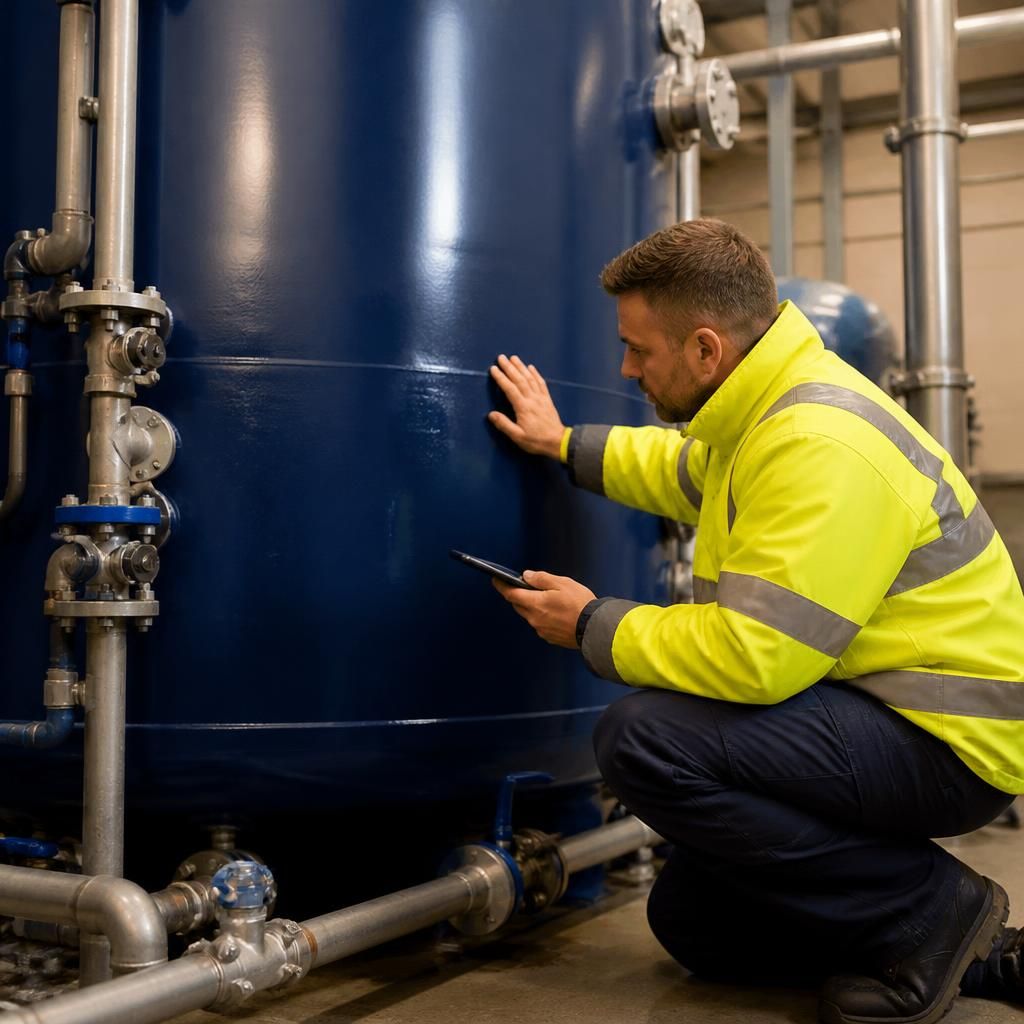
Where a storage tank requires cleaning, chlorination should generally follow the removal of sediment, scale and other deposits rather than being used to treat a visibly dirty tank. Physical cleaning removes material that can shelter bacteria and reduce the effectiveness of disinfectant. The tank should then be inspected, cleaned using a suitable method and disinfected in accordance with the documented treatment plan before it is returned to service.
Discuss when your commercial storage tank needs chlorination
If you need to establish whether chlorination is appropriate for a commercial storage tank, arrange a review of the relevant water safety information and system history with Blue Fish Water Management Ltd. This can help identify the appropriate next step before any disinfection work is planned.