
What risks can poorly controlled tank chlorination create?
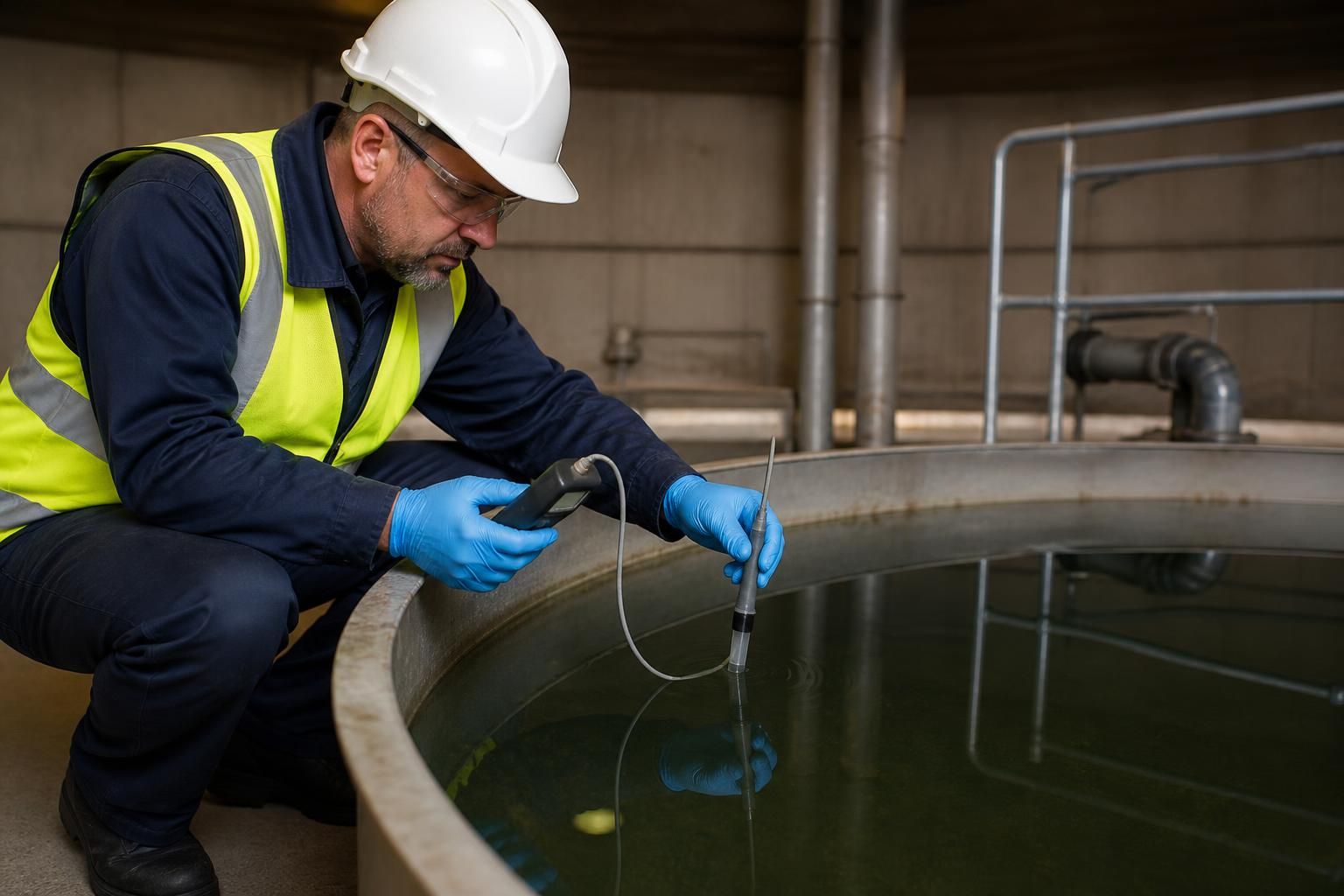
Poorly controlled tank chlorination creates risk when the treatment is not properly planned, isolated, applied, flushed, checked and documented. The consequences extend beyond the storage tank itself: an uncontrolled process can affect connected pipework, outlets, equipment, building users, maintenance personnel and the reliability of later water safety decisions.
Uncontrolled distribution is a major concern. If valves are not identified and operated correctly, chlorinated water may enter parts of the system that were not intended to receive the treatment. This can affect process equipment, sensitive components, drinking water points or sections that should have remained isolated. Conversely, sections of the system may be left untreated because they were not included in the flow path. In complex premises, inaccurate drawings, undocumented alterations and incorrectly labelled valves increase this risk.
Deposits and disturbed material can create additional problems. Sediment, scale and accumulated debris within a tank or connected pipework may be loosened during preparation, circulation or flushing. This material can travel downstream, obstruct strainers and outlets, interfere with valves, or reduce the cleanliness of the system after treatment. Where the tank has deteriorated surfaces, damaged coatings or defective fittings, chlorination may expose issues that require separate investigation rather than resolving the underlying condition.
Incorrect preparation can undermine the reliability of the work. A tank may not be suitable for treatment if it has structural defects, inaccessible areas, poor drainage or connections that cannot be securely isolated. Chlorination should therefore be considered alongside the tank’s condition, system design and intended use. Treating a defectively configured system without addressing these limitations can result in repeat work and continued uncertainty about which parts of the installation have actually been controlled.
Flushing can also be poorly managed. Discharging treated water without considering drainage capacity, discharge arrangements and downstream connections can cause local flooding, interfere with other operations or release water where it is not appropriate. Insufficient flushing may leave the system unavailable for normal use because water quality has not been demonstrated as acceptable. Excessive or uncontrolled flushing can waste water and place unnecessary demand on pumps, drains and storage arrangements.
People carrying out the work may face avoidable hazards. Chlorine-based products require suitable handling, storage and application controls. Risks can arise from splashes, vapour, incompatible chemicals, inadequate ventilation or accidental contact with concentrated solutions. Tank access may introduce separate hazards, including work at height, restricted access and confined-space considerations. These risks cannot be managed simply by selecting a disinfectant; they require a task-specific method, suitable equipment and competent supervision.
Testing and records can give a misleading picture if they are not properly controlled. A sample taken from an unrepresentative point, collected before conditions have stabilised or associated with incomplete system information may not reflect the condition of the wider installation. Missing details about isolation, dosing, contact arrangements, flushing and sample locations make it difficult to establish what was done and what the results relate to. This can lead to false confidence, unnecessary repeat treatment or difficulty demonstrating that appropriate controls were followed.
The commercial effects can include disruption to occupants or processes, restricted use of outlets, additional remedial work, replacement of affected components and repeated sampling. In premises that depend on a reliable water supply, these consequences may affect production, tenant operations, care activities or other business-critical functions. The cost is often greater when a problem is discovered only after the system has been returned to use.
Good control depends on a documented sequence: assess the tank and connected system, identify isolation points, select an appropriate treatment method, protect people and equipment, manage discharge, flush correctly, obtain representative results and retain clear records. Where results are unexpected, the correct response is to investigate the cause rather than repeatedly applying chemical treatment without understanding the system. A competent water hygiene provider can help determine whether the issue relates to the tank, the distribution arrangement, the treatment method or the verification process.
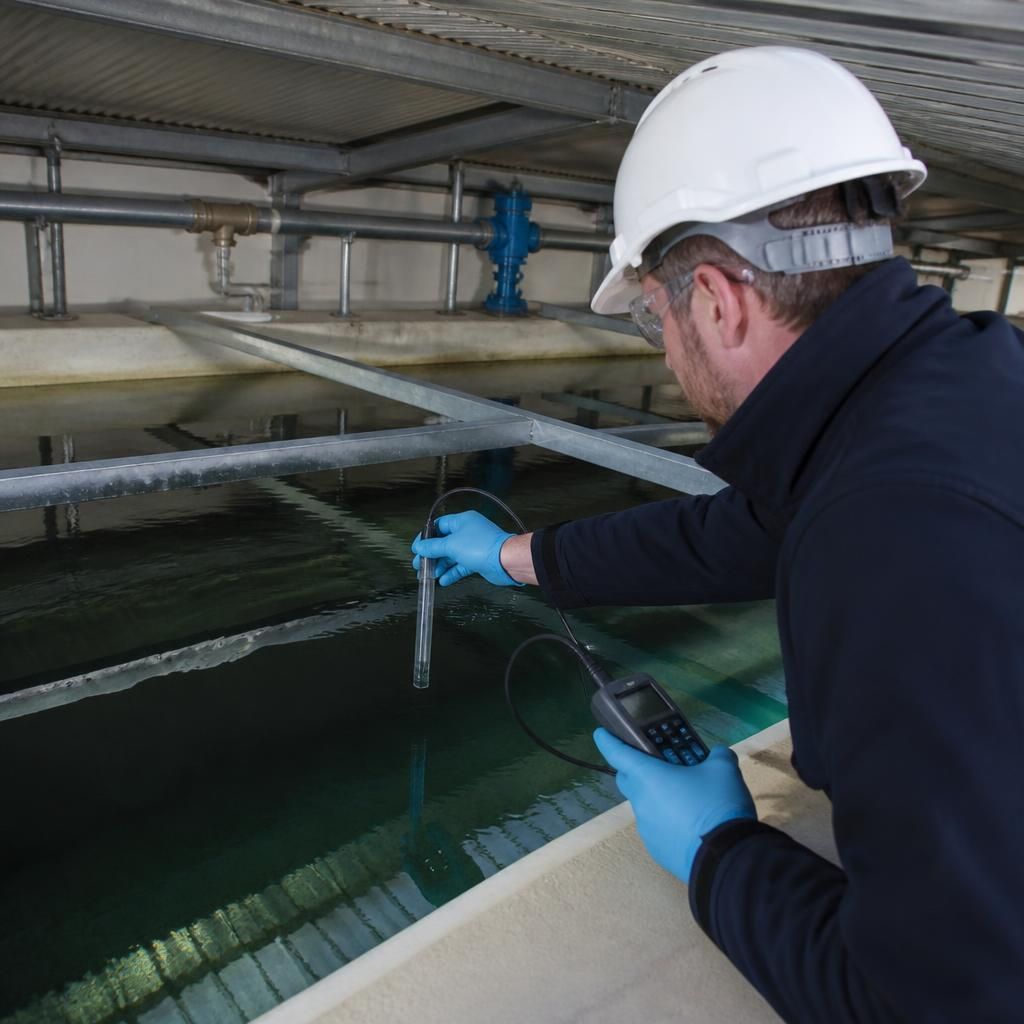
One important risk is that poor control can make a completed chlorination appear successful when the underlying water hygiene problem remains unresolved. A satisfactory result at one sampling point does not necessarily show that all parts of the tank and connected installation received equivalent treatment. Areas with limited circulation, deposits or persistent biofilm may require further investigation and separate corrective action. This distinction matters because chlorination is a defined treatment activity, not a substitute for managing the wider water safety plan. If the process is treated as a one-off solution, recurring contamination or deteriorating conditions may go unnoticed until further sampling or an incident identifies the problem.
Get advice on controlling tank chlorination risks
If you are unsure whether a proposed or completed tank chlorination has been properly controlled, contact Blue Fish Water Management Ltd to discuss the system, treatment records and verification requirements. Their team can advise on the appropriate assessment and next steps.