
What happens if a Legionnaires’ disease risk assessment identifies significant risks?
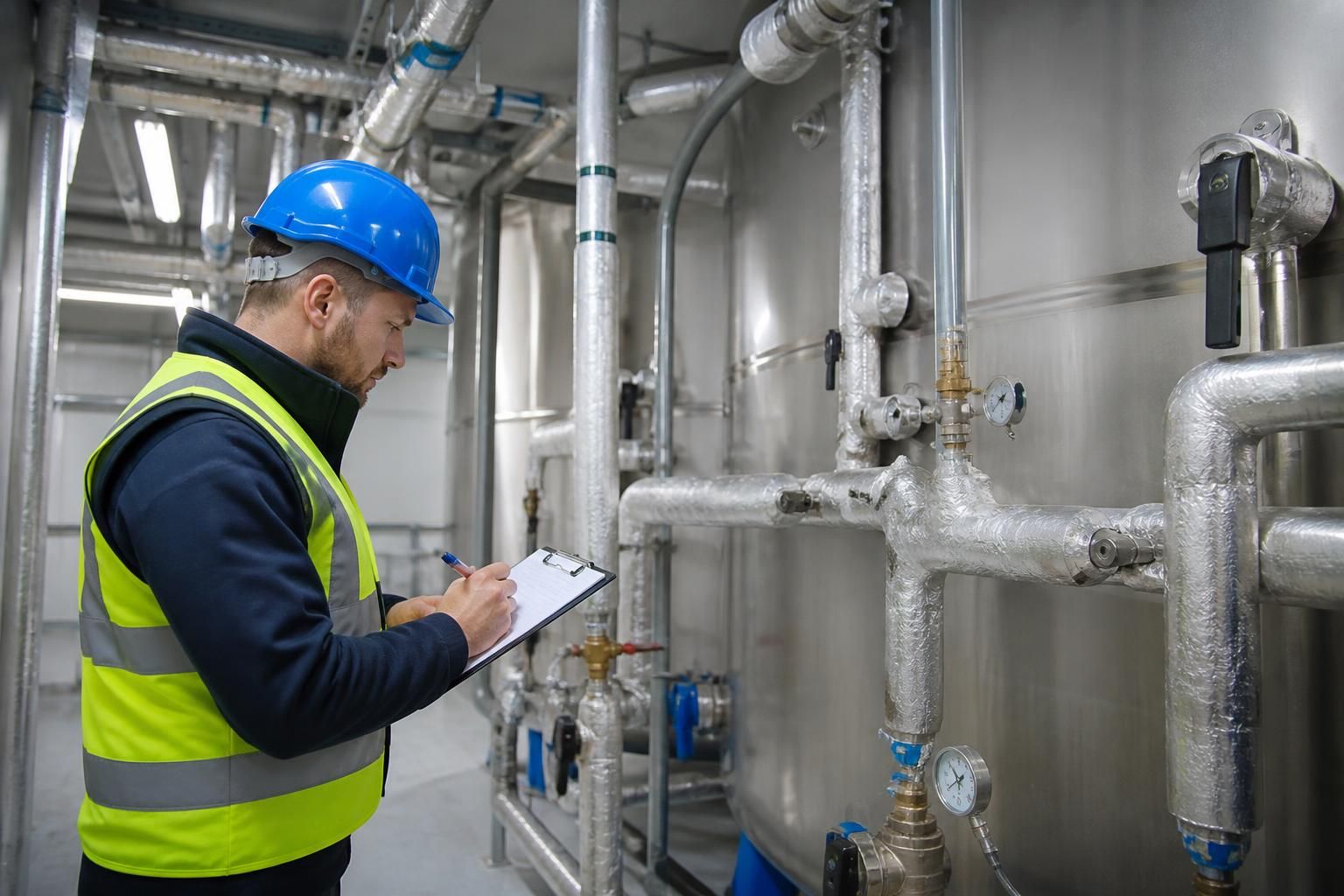
A significant finding means the water system cannot be treated as adequately controlled in its current condition. The responsible person should determine the level of risk, put suitable interim arrangements in place, and commission corrective work based on the source and seriousness of the problem.
First, the findings should be understood and prioritised. A risk assessment may identify issues such as unsuitable water temperatures, infrequently used outlets, dead legs, poor tank condition, inadequate insulation, ineffective monitoring, or a lack of clear management responsibilities. These findings do not all carry the same level of risk. The competent person should distinguish matters requiring immediate attention from defects that can be addressed through planned maintenance.
The assessment should also consider who may be exposed. The presence of older people, smokers, or individuals with weakened immune systems can increase the potential consequences of exposure. Areas used to produce breathable droplets, including showers, spa facilities and certain healthcare or industrial equipment, may require particular attention because of the way water is dispersed.
Interim controls may be needed while the underlying problem is being corrected. Depending on the circumstances, these could include restricting access to an affected outlet, taking equipment out of use, warning relevant users, increasing supervision, or applying temporary operational controls. The chosen measure should be proportionate to the risk and recorded clearly, including who authorised it and when it should be reviewed.
Remedial work should address the cause rather than only the symptom. For example, adjusting a temperature setting may not resolve a wider problem if pipework is poorly configured, a storage vessel is contaminated, or outlets are rarely used. Corrective measures may include removing redundant pipework, improving insulation, repairing or cleaning storage tanks, modifying circulation, reviewing outlet use, or carrying out a suitable cleaning and disinfection procedure. Any work involving the water system should be planned so that it does not create additional contamination or expose workers and occupants unnecessarily.
Where the assessment identifies a possible failure in the control scheme, the responsible person should establish why it occurred. This may involve checking maintenance records, temperature logs, sampling results, contractor reports, asset information and previous assessment findings. It may also reveal that responsibilities have not been allocated clearly, staff have not been trained adequately, or monitoring is being completed without appropriate follow-up.
Testing can support decisions, but a single sample does not define the whole risk. Water samples may be used to investigate suspected contamination, confirm the effect of remedial work or provide evidence that conditions have improved. Results need to be interpreted alongside system design, operating conditions, inspection findings and the vulnerability of exposed people. A negative result does not necessarily remove a risk arising from poor temperatures, stagnation or defective management arrangements.
After corrective work, the system should be checked to confirm that the intended control has been achieved. This may involve inspecting altered components, measuring temperatures at relevant points, reviewing flushing or usage arrangements, and arranging further sampling where justified. The evidence should be retained with the water safety records rather than relying on an informal statement that the work is complete.
The written assessment and control scheme should then be updated. Changes to plant, outlets, occupancy, use of the premises, responsible personnel or maintenance arrangements can alter the risk profile. The updated records should identify outstanding actions, completion dates, supporting evidence and the person responsible for ongoing control. Staff who operate or maintain the system should be told about any changed procedures and given suitable instruction.
A significant finding does not automatically mean that an entire building must close or that every water system requires the same response. The appropriate action depends on the type of defect, the likelihood of exposure, the people affected and whether reliable interim controls are available. However, leaving a known significant risk without documented justification or corrective action is not an adequate management response.
In the UK, the response should be consistent with the relevant health and safety duties and applicable technical guidance, including the principles set out in HSE guidance for the control of legionella. Where the findings are complex, disputed or involve substantial remedial work, an appropriately competent legionella or water hygiene specialist can help interpret the evidence and define a proportionate route to control.
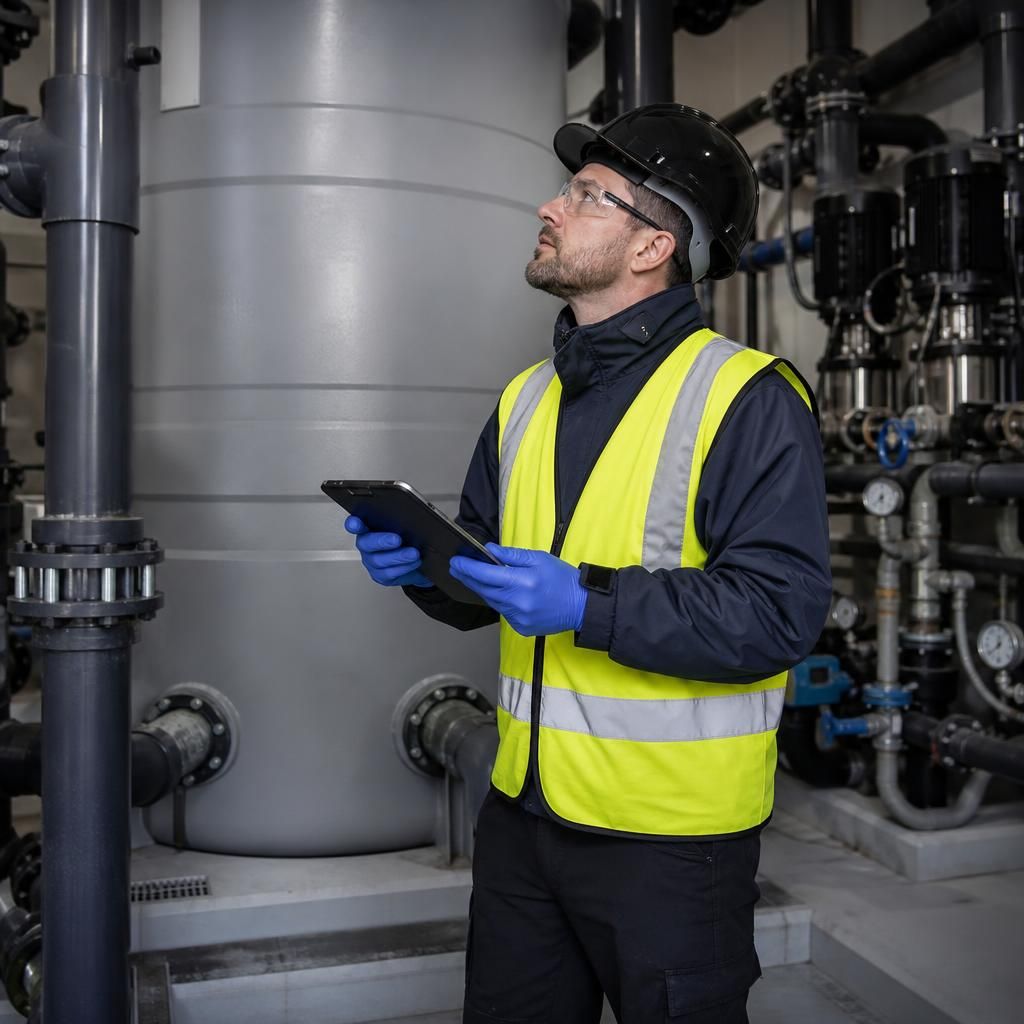
A significant risk identified during a Legionnaires’ disease risk assessment does not necessarily mean that Legionella has been detected in the water. It may reflect conditions that could allow the bacteria to multiply or create exposure, such as inadequate temperature control, stagnation or water being dispersed as an aerosol. The finding therefore requires a management response even where no laboratory result is available.
This distinction prevents decisions being based solely on sampling. The responsible person should consider the condition of the system, how it is used and the potential consequences for exposed people when deciding what action is justified. Laboratory testing can provide useful evidence, but it should support the wider risk assessment rather than determine whether an identified control failure is taken seriously.
Discuss your Legionnaires’ disease risk assessment findings
Need help interpreting significant findings or prioritising the next steps? Discuss the assessment with Blue Fish Water Management Ltd to develop a proportionate, documented route to control.