
Are Legionnaires’ disease prevention risk controls required for every water system?

No. Legionnaires’ disease prevention controls are not identical for every water system, and some systems present little or no foreseeable risk. The legal and practical requirement is to identify whether a system could expose people to Legionella bacteria and contaminated water droplets, then apply controls that are proportionate to the findings. A dutyholder should be able to show why particular measures are necessary, limited or unnecessary.
In a workplace or other non-domestic premises, the person responsible for the building, water services or relevant work activities must consider the risk under the applicable health and safety duties. The assessment should cover the systems under their control, rather than assuming that only large or complex installations require attention. In rented housing, landlords and managing agents also have responsibilities to assess and manage hazards associated with water systems, particularly where tenants may be exposed to preventable risks.
The level of control depends on the characteristics of the installation and the people who may be exposed. Important considerations include:
- Water temperature: temperatures that allow Legionella to multiply can increase the risk, especially where water remains within that range for extended periods.
- Stagnation: infrequently used outlets, redundant pipework, oversized storage and dead legs can allow conditions to deteriorate.
- Scale, sludge and biofilm: deposits and surface contamination can provide protection and nutrients for bacteria.
- Aerosol generation: showers, spray taps, spa pools, cooling equipment and other devices can create droplets that may be inhaled.
- System complexity: multiple tanks, calorifiers, secondary circulation, mixed-use premises and poorly understood alterations make control more demanding.
- Occupant vulnerability: older people, smokers and people with impaired immunity or certain underlying health conditions may face a greater consequence from exposure.
A straightforward hot and cold water system in a small, consistently occupied premises may need a relatively simple control regime. This could include maintaining appropriate hot and cold water conditions, keeping outlets in regular use, checking vulnerable components and retaining suitable records. A large building with stored hot water, extensive distribution pipework, seldom-used areas, showers or vulnerable occupants may require a more formal programme involving monitoring, sampling, cleaning, disinfection and specialist review.
Controls should address the whole system, not just the outlets that are easiest to inspect. The assessment should identify tanks, cylinders, calorifiers, blending valves, pumps, expansion vessels, showers, flexible hoses, little-used outlets and sections of pipework that could affect water quality or temperature. Any changes to occupancy, use, plant, layout or maintenance arrangements should trigger a review because they can alter the original risk profile.
Typical control measures may include:
- keeping hot water sufficiently hot throughout the parts of the system where control depends on temperature;
- preventing cold water from becoming unduly warm through poor insulation, heat gain or unsuitable plant-room conditions;
- removing redundant pipework and avoiding unnecessary storage capacity;
- flushing outlets that are not used frequently, using a documented and risk-based procedure;
- cleaning and inspecting storage tanks, showers, strainers and other relevant components;
- checking thermostatic mixing valves and other devices that can affect temperature control;
- using water sampling where the assessment indicates that testing is appropriate; and
- recording inspections, readings, faults, remedial actions and decisions not to carry out particular measures.
Sampling is not automatically required for every installation. A laboratory result is only one part of a control strategy and does not replace effective management of temperature, stagnation, cleanliness and system condition. Conversely, relying on apparently satisfactory temperatures may be insufficient where there are persistent dead legs, recurring contamination, aerosol-producing equipment or vulnerable occupants. The appropriate combination of controls should follow the assessment rather than a standard package applied without regard to the system.
Some systems require additional consideration because they do not fit the typical domestic hot and cold water model. Cooling towers and evaporative condensers, spa pools, water features, industrial processes, humidifiers and irrigation equipment may create different exposure routes. Their design, operation, treatment regime and maintenance requirements should be assessed on their own characteristics. Equipment that is not used for drinking water can still be relevant if it produces an inhalable aerosol.
There are also situations where a system may reasonably be judged to present a low risk. For example, a small, simple installation with no stored water, little opportunity for stagnation and no aerosol-producing devices may need fewer formal interventions than a complex healthcare or leisure facility. Low risk does not mean that the system can be ignored. The decision should be documented, reviewed when circumstances change and supported by basic good water hygiene practices.
The responsible organisation should allocate clear duties. A competent person may carry out the assessment or provide technical advice, but appointing a contractor does not automatically transfer the dutyholder’s legal responsibility. Staff who operate outlets, record temperatures, arrange maintenance or report defects need suitable instruction. Contractors should understand the system, the required control limits and the information that must be returned to the responsible person.
Documentation should normally demonstrate how the conclusion was reached. Depending on the premises, this may include the current schematic or asset list, the risk assessment, control parameters, monitoring sheets, flushing records, cleaning certificates, laboratory reports, maintenance records, training information and evidence that exceptions were investigated. Records are particularly important where a control has been reduced, missed or judged unnecessary, because they show that the decision was considered rather than accidental.
Blue Fish Water Management Ltd can help organisations determine which controls are appropriate through legionella risk assessments, water testing, compliance reviews, system monitoring, training and remedial works. The objective is to match the control programme to the actual installation, its users and its foreseeable exposure routes, rather than treating every water system as if it carried the same level of risk.
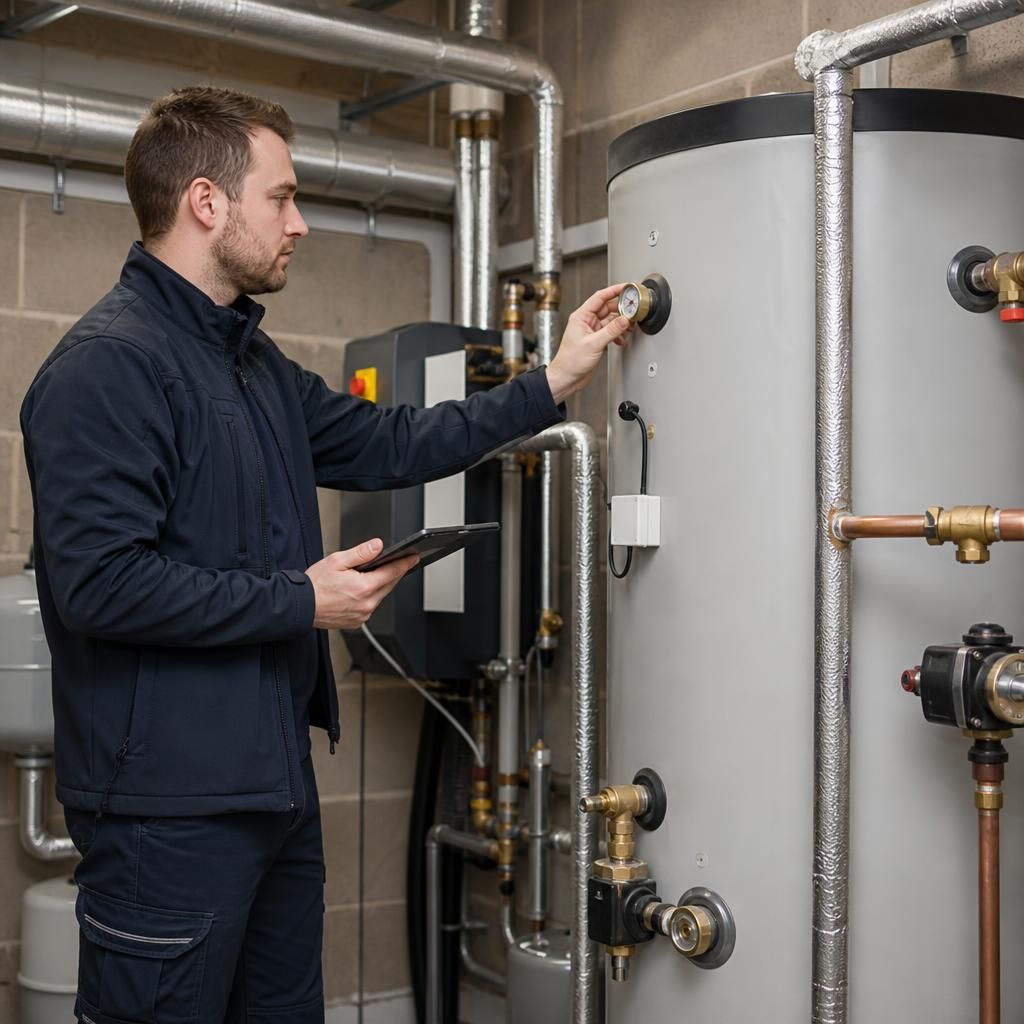
Legionnaires’ disease prevention should be considered when a water system is designed, altered or replaced, not only after it has been commissioned. Equipment specifications, pipework layouts and outlet selection can affect whether the finished installation creates avoidable areas of heat gain, stagnation or aerosol production.
Before work starts, the responsible organisation should establish how the proposed design will be controlled and maintained. Handover information should identify relevant assets, operating requirements and any limitations that could affect water hygiene. This allows the risk assessment and control regime to reflect the system that is actually installed, rather than relying on assumptions from an earlier arrangement.
Discuss your Legionnaires’ disease prevention risk controls
If your organisation needs to review its current approach, discuss the system with Blue Fish Water Management Ltd to identify any gaps in assessment, monitoring or documentation. Their team can advise on proportionate legionella prevention risk controls for the installation and people using it.