
What does a legionnaires inspection include?
A legionnaires inspection examines the water system, including storage and distribution arrangements, outlets, temperature controls and other conditions that could allow Legionella bacteria to grow or spread. It may also include reviewing monitoring records, checking control measures and taking water samples where required to assess compliance and identify remedial action.

A legionnaires inspection is a structured review of a water system, its management arrangements and the measures used to control Legionella risk. It combines examination of relevant documentation with checks of system condition, operation and use, so that weaknesses can be identified and corrective actions recorded.
Review of management arrangements
The inspector will usually begin by establishing how the system is managed. This can include checking whether responsibilities have been assigned clearly, whether competent people are involved, and whether the organisation has a suitable written control scheme. The review may also consider the current risk assessment, system schematics, asset information and any changes to the building, water services or occupancy since the documents were produced.
Inspection records can also show whether identified actions have been completed and whether previous recommendations remain relevant. Where a business uses contractors for cleaning, maintenance or monitoring, the inspection may examine the scope of their work and the evidence supporting their competence.
Assessment of system condition and use
Physical checks look for conditions that can support bacterial growth or increase the likelihood of exposure. Depending on the type and complexity of the installation, this may include examining:
- calorifiers, tanks, cisterns and associated components for cleanliness, scale, corrosion or deterioration;
- pipework arrangements that could create stagnant sections, redundant branches or poor circulation;
- showers, spray taps, hoses and other outlets that can generate aerosols;
- thermostatic mixing valves and similar equipment that may require additional maintenance;
- infrequently used outlets, little-used rooms and areas affected by changes in occupancy;
- access, labelling, insulation, drainage and maintenance arrangements where these affect safe control.
The inspector may compare the installation in practice with the available schematic or asset register. Unrecorded alterations, disconnected equipment and outlets that are missing from the documentation can all affect whether the control strategy remains reliable.
Monitoring and operational evidence
An inspection considers whether routine control measures are being carried out consistently and whether the results are meaningful. Evidence may include temperature monitoring, flushing of low-use outlets, cleaning and disinfection records, maintenance reports and responses to abnormal readings.
The quality of the records matters as much as their existence. Entries should identify the relevant asset or outlet, the date of the check, the result, the person completing it and any action taken. Gaps, unexplained results or repeated failures can indicate that the written procedure is not being followed effectively or that the system needs a different control approach.
Sampling and laboratory analysis
Water sampling may form part of an inspection where the risk assessment, system history or observed conditions justify it. Samples should be selected for a clear reason, such as investigating a suspected control failure, checking a higher-risk area or verifying the outcome of remedial work. Sampling is not a substitute for inspecting the system: a negative result represents the sampled points at that time and does not by itself demonstrate that every part of an installation is controlled.
Where samples are taken, the report should identify the locations, sampling method, relevant dates and laboratory findings. Results need to be interpreted alongside system temperatures, usage patterns, maintenance history and other evidence rather than considered in isolation.
Findings and recommended action
The completed inspection should set out deficiencies in clear, practical terms. Recommendations may range from updating records or improving routine monitoring to repairing equipment, removing redundant pipework, cleaning components or carrying out remedial disinfection. Actions should be prioritised according to the level and nature of the risk, with responsibilities and follow-up requirements made clear.
A thorough inspection therefore produces more than a checklist. It provides an evidence-based view of whether the water system is suitably designed, maintained and managed, and whether the organisation can demonstrate that its Legionella control arrangements are being applied in practice.
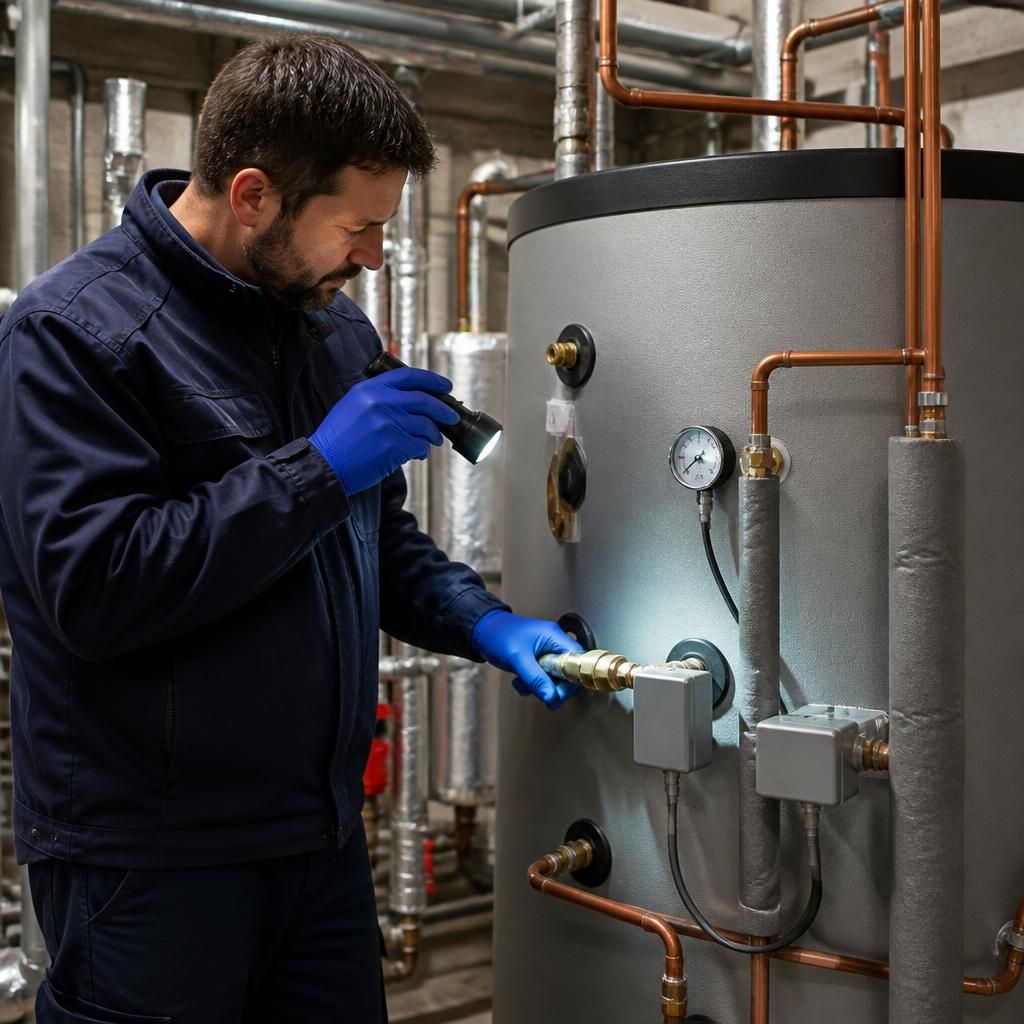
A legionnaires inspection is usually risk-based rather than a complete examination of every component in a water system. The inspector determines which areas require closer attention by considering the system design, building use, vulnerable occupants, previous issues and any restrictions on access.
This means the inspection may focus on representative plant, higher-risk outlets, infrequently used areas or parts of the system where control is less reliable. Equipment may be inspected without being dismantled, unless a closer examination is needed and it can be completed safely. The report should make clear what was inspected, what could not be accessed and where further investigation is recommended.
Understanding the scope is important when reviewing the outcome. An inspection provides evidence about the conditions and controls assessed on the visit; it is not automatically a guarantee that every hidden section, outlet or component is free from risk. Any limitations should be considered when deciding whether additional investigation or corrective work is required.
Discuss Your Legionnaires Inspection Requirements
If you need to clarify the scope of a legionnaires inspection for your premises, discuss your requirements with Blue Fish Water Management Ltd. They can help identify the appropriate inspection approach and next steps for your water system.