
How should a site prepare for a legionella inspection?
Prepare for a legionella inspection by organising your risk assessment, monitoring records, maintenance documentation and water system information, then ensure relevant plant, outlets and storage areas can be accessed. Make sure the responsible person or a suitable site representative is available to explain how control measures are managed and to address any identified issues.
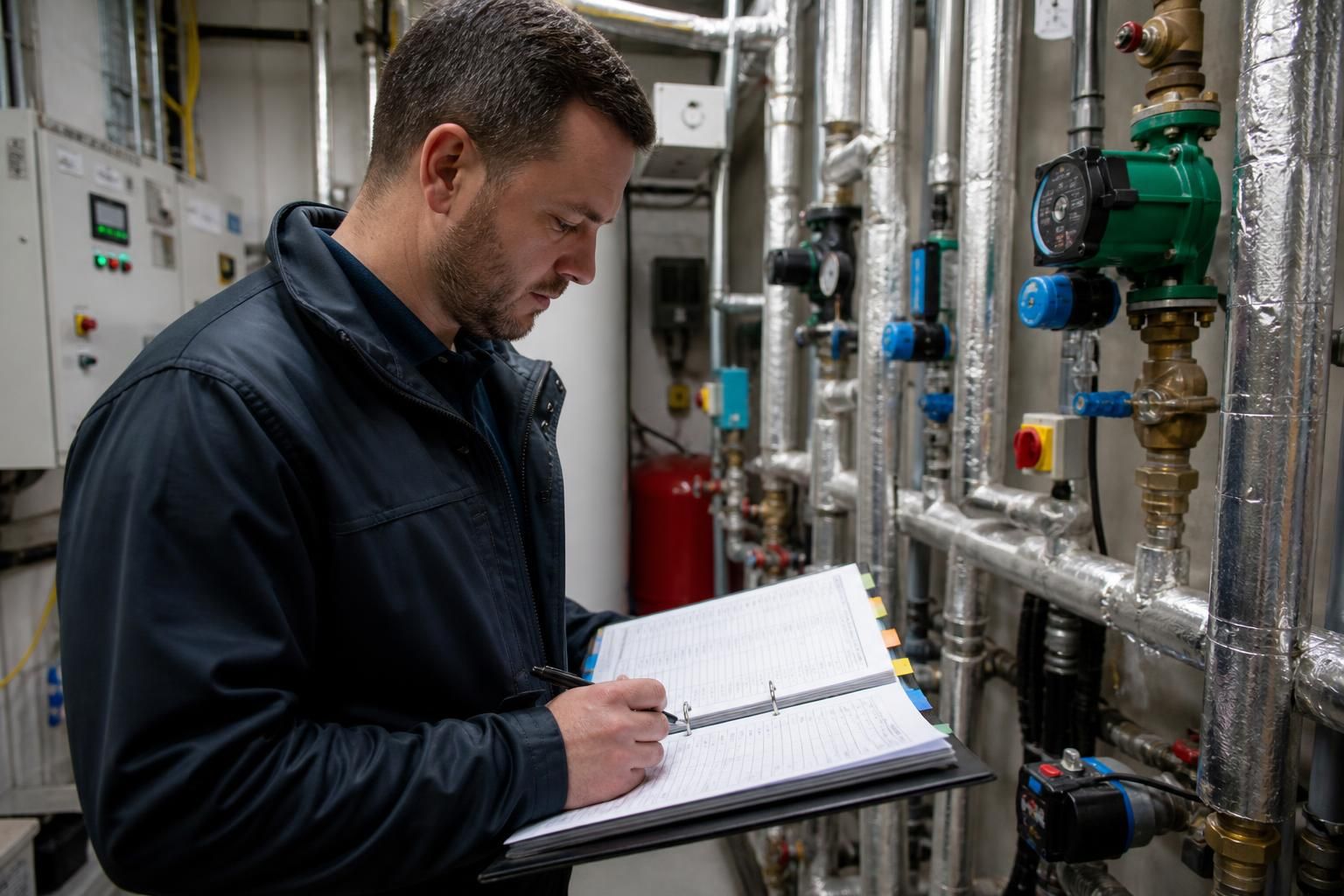
A site should prepare for a legionella inspection by checking that its control arrangements are accurate, consistently followed and supported by clear evidence. An inspector will typically compare the documented approach with the water systems, management processes and day-to-day practices found on site, so preparation should focus on identifying inconsistencies before the inspection takes place.
Review whether the documented arrangements still reflect the site. Changes to building use, occupancy, operating hours, refurbishment, plant, outlets or water services can alter the risk profile. Check that these changes have been considered and that obsolete descriptions, drawings, asset lists and procedures have been removed or updated. Particular attention may be needed where areas have been brought back into use, left vacant, converted to a different purpose or subject to intermittent demand.
Check the control scheme for internal consistency. Responsibilities should be clear at each stage, from routine checks and remedial action to escalation of abnormal results. The inspection may test whether the people carrying out these tasks understand what they are expected to do, what limits apply and who must be informed when a result or condition falls outside the agreed control parameters. A procedure that exists on paper but is not understood in practice can indicate a weakness in the management system.
Make the evidence easy to follow. Records should be dated, attributable to the person who completed the task and sufficiently detailed to show what was checked and what action followed. Avoid unexplained gaps, duplicate entries or handwritten amendments that cannot be interpreted. Where an issue was found, retain a clear audit trail showing the original observation, the decision made, the corrective work and any subsequent check used to confirm that the issue was addressed.
It is also useful to review trends rather than looking at individual entries in isolation. Repeated temperature deviations, persistently low-use outlets, recurring maintenance defects or repeated corrective actions may indicate an underlying problem with the system or the control regime. An inspection is more likely to identify this pattern when information is organised chronologically and linked to the relevant asset or area.
Confirm that remedial actions have been properly closed. Do not mark an action as complete solely because a work order has been raised. The supporting evidence should show what was done, when it was done and whether the result was checked afterwards. If an action remains outstanding, record its current status, the reason for the delay and the interim controls in place. Concealing or overlooking unresolved issues is less useful than demonstrating that they are being managed transparently.
Prepare for questions about higher-risk parts of the water system. The inspection may examine areas such as seldom-used outlets, showers, thermostatic mixing valves, hot-water storage, cold-water storage, dead legs, outlets serving vulnerable occupants and equipment that creates spray or aerosol. Site staff should be able to explain how these features are identified, controlled and reviewed. Where a feature is not in use, its status and the arrangements for preventing deterioration should be clear.
Housekeeping can affect the inspection outcome. Plant rooms, tank areas and service cupboards should be orderly enough for assets, valves, tanks and associated equipment to be identified safely. Labels should correspond with the site documentation, and temporary alterations should not obscure isolation points or inspection access. Any defects such as leaks, damaged insulation, corrosion, poor tank condition or inaccessible components should be recorded and assessed rather than left unexplained.
Check how contractors and other dutyholders fit into the arrangements. Where maintenance, cleaning, sampling or remedial work is outsourced, establish who carries out each task, who reviews the result and how information is transferred to the person responsible for water safety. Contractors should be working to the site's current requirements, not an outdated instruction or an informal arrangement that has never been documented. Relevant competence, work instructions and completed service information may all be considered as part of the wider evidence.
Before the inspection, carry out an internal review against the control scheme and applicable HSE guidance, recording any gaps and prioritising actions according to risk. This is not a substitute for an independent inspection, but it can prevent avoidable administrative problems and highlight issues that need specialist attention. If the inspection identifies shortcomings, the resulting report should be used as a structured action plan, with responsibilities, priorities and verification of completion clearly recorded.
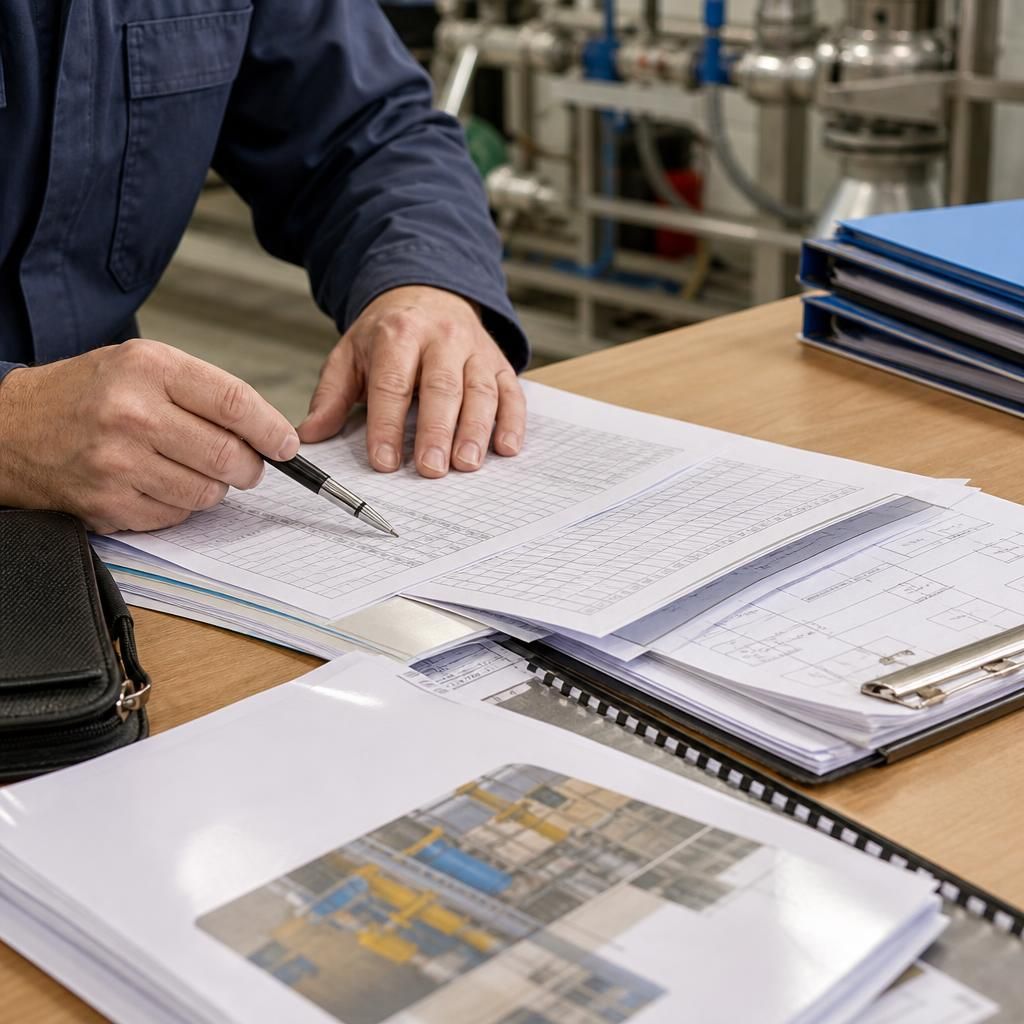
Where a site shares water systems, preparation should include confirming the boundaries of each dutyholder’s responsibility. This is particularly important in multi-tenant buildings, managed properties and sites where a landlord, facilities provider or specialist contractor controls part of the system.
Identify who is responsible for each relevant asset and control task, including shared tanks, plant, distribution pipework, outlets, maintenance and corrective work. Keep current agreements, service specifications and contact details available so the inspector can see how information and decisions pass between the parties. If responsibility is unclear for any section of the system, record the position and resolve it before the inspection where possible. Clear interfaces reduce the risk of important controls being assumed to belong to someone else.
Need help preparing for a legionella inspection?
If you need an objective review before a legionella inspection, Blue Fish Water Management Ltd can assess your arrangements and provide practical advice on addressing any evidence gaps. Contact the team to discuss suitable support for your site.