
Should property managers attend a Legionella RA Course?
Yes. Property managers should attend a Legionella Risk Assessment (RA) Course if they oversee buildings, contractors or water systems, as it helps them understand their responsibilities, recognise relevant risks and monitor compliance with suitable control measures.
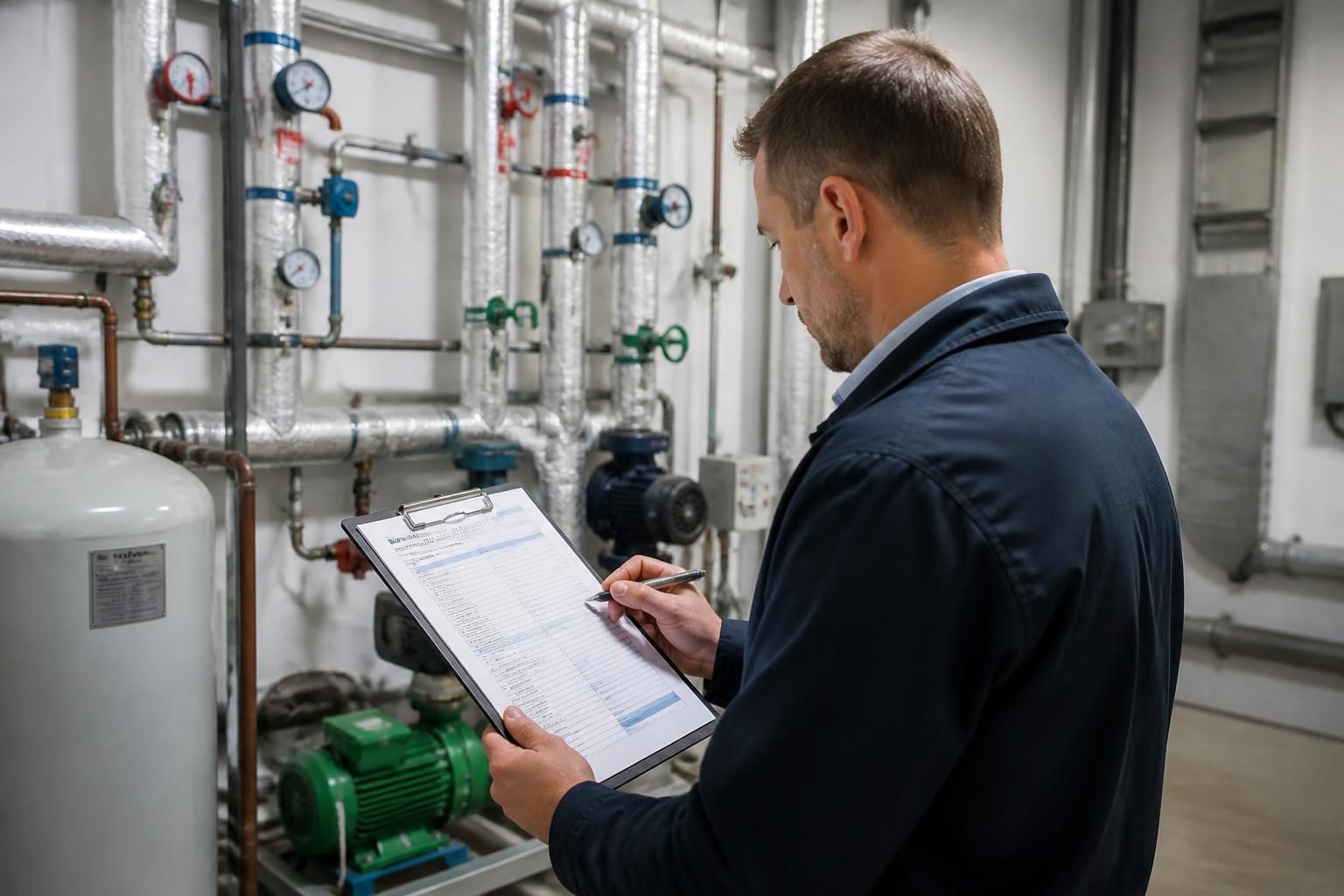
Property managers are suitable candidates for a Legionella Risk Assessment (RA) Course because their role often involves coordinating the people, records and maintenance activities that support water safety. Attending a course is not, by itself, a legal requirement for every property manager, but appropriate training helps demonstrate that those involved in legionella control understand their duties and can work within the limits of their competence.
Under the Health and Safety at Work etc. Act and the principles set out in the HSE’s Approved Code of Practice L8, dutyholders must assess and control risks from legionella. In a managed property, responsibility may sit with the owner, employer, managing agent, facilities manager or another appointed person, depending on the arrangements in place. A property manager should therefore establish:
- who has formal responsibility for legionella control;
- which duties are retained by the owner or landlord and which are delegated;
- who is competent to complete the risk assessment;
- which tasks are carried out by internal staff or external contractors; and
- how concerns, defects and overdue actions are reported and resolved.
A course is particularly relevant where a property manager is expected to interpret a legionella risk assessment rather than simply file it. The training can help them identify the parts of a water system that may require attention, understand how temperature and usage affect risk, and recognise weaknesses such as infrequently used outlets, low flow, poor tank condition or inadequate maintenance arrangements. This knowledge supports more informed decisions when reviewing reports and approving corrective work.
Property managers also commonly have a coordination role. They may need to arrange access to plant rooms and tenant areas, instruct competent contractors, check that planned monitoring has taken place, and ensure that records are complete. They should be able to question unclear findings, distinguish an observation from a control failure, and escalate issues that require specialist investigation. A course can provide the technical foundation for those conversations without making the property manager a substitute for a suitably competent risk assessor or water treatment specialist.
The level of training required depends on the property portfolio and the duties assigned. Someone managing offices with straightforward domestic hot and cold water services may need a different depth of knowledge from someone responsible for healthcare premises, residential accommodation, leisure facilities or buildings with complex systems. Relevant factors include:
- the size and complexity of the water systems;
- the number and vulnerability of building users;
- the extent to which water services are shared across tenants or buildings;
- whether the manager will review or commission risk assessments; and
- whether they will make technical decisions or only administer the control programme.
Completing an RA Course does not automatically make a person competent to assess every type of premises. Competence involves suitable knowledge, training and experience for the particular task and system. A property manager may be well placed to complete a basic assessment only where the course, practical understanding and building conditions support that role. For complex systems or higher-risk environments, an appropriately experienced specialist may need to carry out the assessment, while the property manager retains responsibility for overseeing the resulting actions.
After training, a property manager should apply the learning to the building’s written scheme of control. This may include checking that the assessment reflects the current system, confirming that control measures have named owners, reviewing monitoring results and ensuring that remedial actions are tracked to completion. Changes such as refurbishment, a new tenant, altered occupancy, a modified water system or prolonged non-use should prompt a review rather than reliance on an outdated assessment.
The course is therefore most valuable when it matches the property manager’s actual responsibilities. Before enrolling, they should check the course content, assessment method and intended level, then compare these with the buildings they manage and the decisions they are expected to make. Where the role includes substantial legionella oversight, structured training can form part of a defensible competence and compliance arrangement, alongside suitable specialist advice and accurate records.

A Legionella RA Course can also help property managers explain water-safety requirements to tenants and occupiers. In multi-occupancy buildings, risk may be affected by how outlets are used, whether access is provided for checks and maintenance, and whether problems such as low use or unusual water temperatures are reported. A property manager with suitable training can communicate these practical points accurately rather than treating legionella control as solely a contractor’s responsibility.
This is particularly useful when tenants question access requirements, flushing arrangements or remedial work. The property manager can explain the purpose of the control measure, identify when an issue needs technical advice and keep communication aligned with the building’s written scheme. The course does not make them responsible for directing occupants on specialist treatment, but it gives them a stronger basis for managing information and ensuring concerns reach the appropriate competent person.
Discuss Your Legionella RA Course Requirements
Discuss your role, property portfolio and intended responsibilities with Blue Fish Water Management Ltd to establish whether the Legionella RA Course is appropriate for your requirements.