
Does a legionella risk assessor course require access to a live water system?
Not necessarily. A legionella risk assessor course can cover the required principles, procedures and assessment methods through classroom teaching, case studies and practical exercises, although access to a live water system may be included or recommended on courses with a site-based practical element.

Access to a live water system is not automatically a requirement for enrolling on or completing a legionella risk assessor course. The requirement depends on the course format and the level of practical competence it is intended to develop. A course may teach the assessment process without taking delegates into an operational building, but applying that knowledge independently normally requires suitable experience of real water systems.
What can be taught without a live system? The core assessment method can be explained using diagrams, system schematics, photographs, records and realistic scenarios. This can include how to:
- identify hot and cold water systems and their principal components;
- trace the movement of water through storage, distribution and points of use;
- identify areas where water may stagnate or become inadequately controlled;
- review temperature records, maintenance documents and monitoring results;
- interview responsible persons and establish how control measures operate;
- record hazards, existing controls and recommended actions; and
- produce a risk assessment that is clear, proportionate and suitable for management review.
Case-based exercises can also test whether a learner can interpret imperfect information, recognise gaps in evidence and decide what further investigation is needed. This is useful because a risk assessor does not simply take readings; they must understand the system, evaluate the information available and reach defensible conclusions.
Why live-system experience is valuable A site visit exposes learners to practical issues that are difficult to reproduce fully in a classroom. These may include restricted access, unclear or outdated schematics, poorly labelled valves, redundant pipework, unusual outlets, conflicting records and differences between the documented system and the installation found on site. Observing these conditions helps a learner understand how an assessment is carried out systematically rather than treating it as a checklist exercise.
Where a course includes a practical site element, delegates may be asked to follow pipework, inspect storage and distribution arrangements, take or review relevant measurements, identify risk factors and discuss appropriate control measures. The activity should be properly planned and supervised. It should not involve making unauthorised changes to a water system or interfering with operational controls.
Training access and workplace access are different issues. A provider may not need to give every delegate independent access to a live installation. Practical learning might instead involve an instructor-led visit, a controlled demonstration, a simulated system or anonymised evidence from a real assessment. The important point is that the course should explain exactly how practical competence is developed and assessed.
A learner completing a theory-focused course should therefore avoid assuming that the certificate alone demonstrates experience in surveying unfamiliar premises. Before undertaking assessments professionally, they may need supervised site work, observation by an experienced assessor, further practical training or a structured workplace competence process. The appropriate route depends on their previous water hygiene knowledge, technical experience and intended responsibilities.
Questions to ask a course provider include:
- Does the course include a site visit, demonstration or practical assessment?
- If there is no live-system access, what evidence or exercises are used instead?
- Will learners practise reviewing system information and producing assessment findings?
- Are practical activities observed and marked, or are they provided only as demonstrations?
- Does the course distinguish successful attendance from demonstrated workplace competence?
- What prior experience is assumed, and what additional supervised experience is recommended?
For an organisation selecting training for its staff, the decision should reflect the employee’s role. Someone learning the principles of legionella risk assessment may gain an appropriate foundation without visiting a live system. Someone expected to inspect complex premises and prepare assessments independently should have access to relevant practical experience, whether that forms part of the course or is arranged through their employer afterwards.
In short, live-system access can strengthen practical learning, but it is the quality and scope of the training that matter. A suitable course should make clear which knowledge is taught, which skills are practised, how competence is checked and what further workplace experience is needed before the learner carries out assessments without supervision.
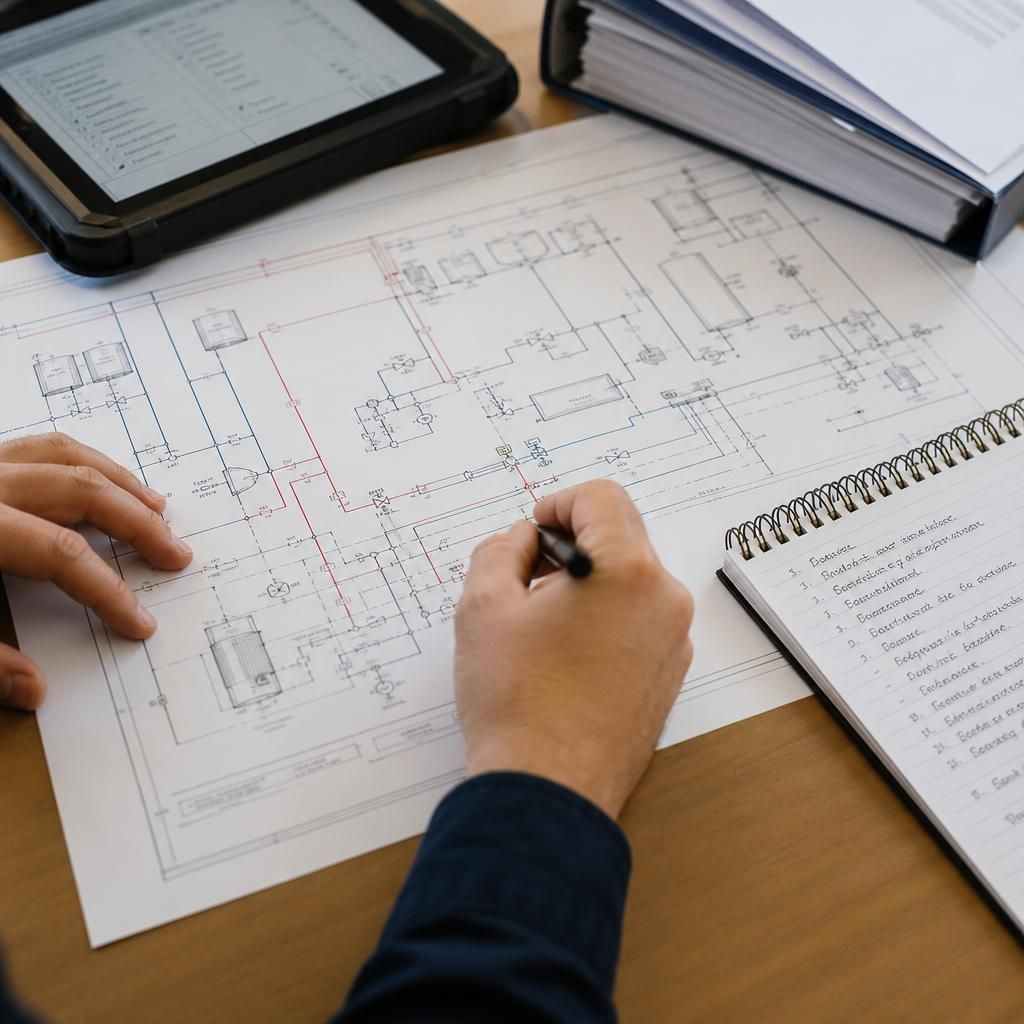
Access to a live water system is most useful when the course requires learners to apply their judgement, rather than simply observe equipment. A strong practical exercise should require the learner to interpret available system information, identify uncertainty, determine what needs checking and justify the findings recorded in the assessment.
If training does not include a site visit, examine how the provider evidences those skills. Useful alternatives may include a detailed system file, photographs, schematics, monitoring records and a written assessment task based on the same premises. The exercise should reveal whether the learner can distinguish confirmed conditions from assumptions and recommend proportionate follow-up action. This provides a more meaningful indication of learning than attendance or a knowledge test alone.
Explore Legionella Risk Assessor Course Options
Review the Legionella Risk Assessor Course options to compare the practical learning, assessment approach and experience recommended for your role. Contact Blue Fish Water Management to discuss which course format best matches your responsibilities.