
What does a legionella risk assessment service involve?
A legionella risk assessment service involves examining a business’s water systems, identifying conditions that could allow Legionella bacteria to grow or spread, and assessing who could be exposed. The assessor then documents the risks and recommends proportionate control measures, monitoring and management responsibilities to support ongoing compliance.
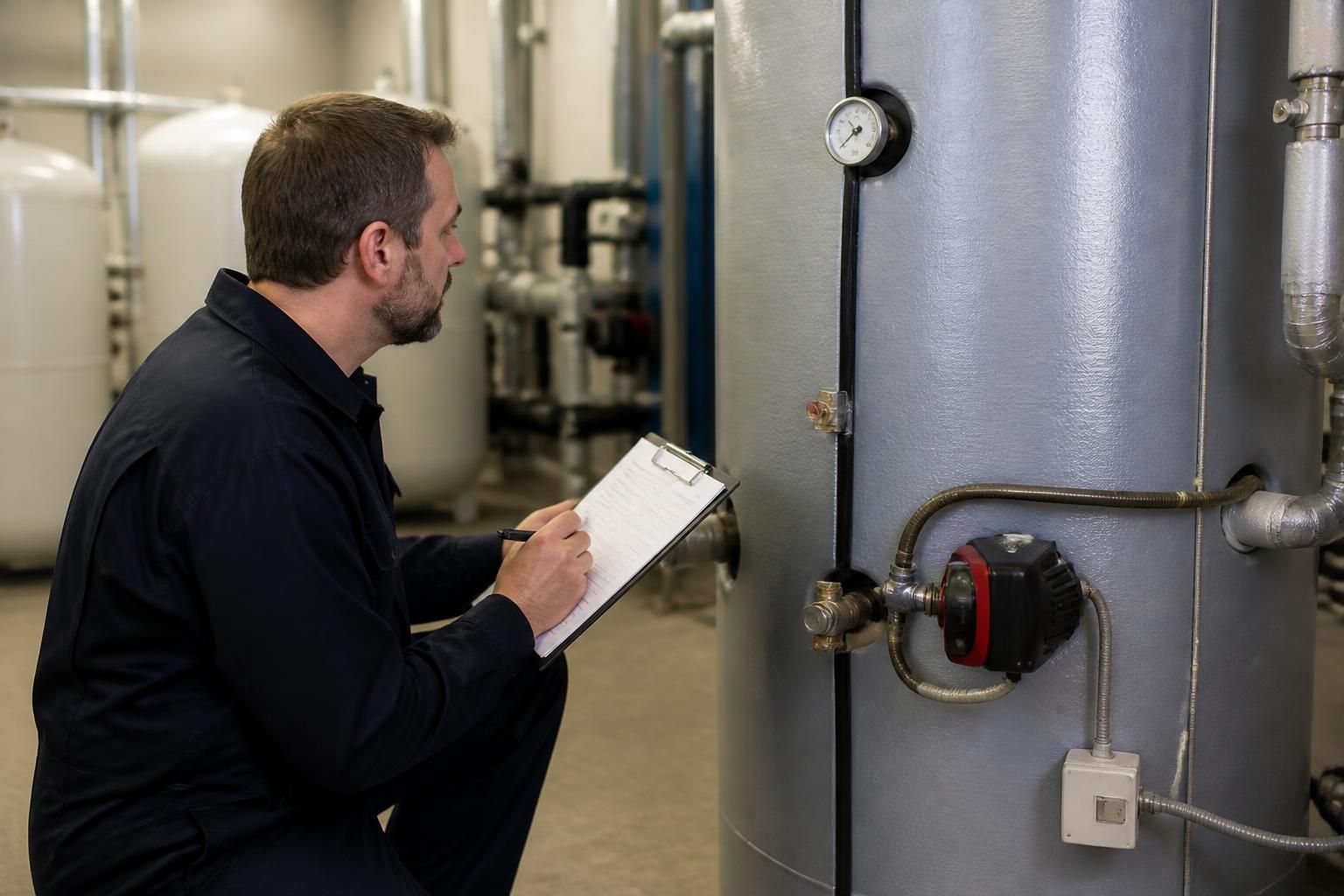
A legionella risk assessment service is a structured review of a water system, its management arrangements and the people who may be exposed to risk. It normally combines a review of available information with a site survey, technical evaluation of how the system operates and a written assessment that can be used to plan and manage control measures.
The process usually starts with information gathering. The assessor may review existing risk assessments, schematic drawings, water system descriptions, monitoring records, maintenance reports, cleaning and disinfection certificates, temperature records and details of previous incidents or remedial work. This helps establish how the system was designed to operate and whether the records reflect its current condition.
An onsite survey then examines relevant parts of the installation. Depending on the premises, this may include hot and cold water services, storage cisterns, calorifiers, distribution pipework, outlets, showers, thermostatic mixing valves, spas, cooling systems or other equipment that can create conditions associated with Legionella growth or transmission. The assessor considers factors such as water temperatures, flow, stagnation, dead legs, infrequently used outlets, scale, corrosion, tank condition and access for maintenance.
The assessment also considers how the system is managed in practice. This includes checking whether responsibilities are clearly assigned, whether routine monitoring is being completed, and whether procedures exist for issues such as low temperatures, unused outlets, changes to occupancy or alterations to the water system. A technically suitable installation can still present avoidable risk if it is poorly managed or if important records are incomplete.
People who may be exposed are considered alongside the system findings. The assessor looks at how the premises are used and whether occupants, employees, residents, visitors, patients or contractors may encounter aerosol-producing outlets. Particular attention may be needed where people are more susceptible to serious illness, including some healthcare, care, residential or accommodation settings. The assessment should therefore relate the water-system findings to the actual use of the building rather than treating every site in the same way.
A risk assessment service may include water sampling where there is a specific reason to investigate the microbiological condition of the system, but sampling is not a substitute for assessing how the system is designed, used and controlled. Testing requirements should be based on the circumstances of the site and the conclusions of the assessment. Where samples are taken, the report should identify what was sampled and explain how the results affect the recommended response.
The completed report generally records:
- the systems, areas and equipment included within the assessment;
- relevant deficiencies, hazards and conditions requiring attention;
- the level and nature of the risk identified;
- actions needed to remove, reduce or manage the risk;
- recommended monitoring, inspection, maintenance or testing arrangements;
- the person or role responsible for each control activity; and
- any matters requiring specialist investigation or remedial work.
Recommendations should be practical and proportionate. They may involve correcting temperature control, improving circulation, removing redundant pipework, managing seldom-used outlets, repairing or cleaning storage equipment, updating procedures or improving record keeping. The report should distinguish between actions that require prompt attention and routine improvements that can be incorporated into the control programme.
The service may also identify where the written scheme or management arrangements need updating. A written scheme should explain how significant risks are controlled, who carries out each task, what is monitored and what happens when results fall outside the required parameters. The risk assessment itself is not a one-off replacement for ongoing control: it provides the evidence and recommendations on which continuing management is based.
Following significant changes to the water system, building use, occupancy, equipment or control procedures, the assessment should be reviewed to confirm that it remains accurate. It should also be revisited where monitoring identifies recurring problems, remedial work changes the system or there is reason to believe that the original findings no longer reflect site conditions.
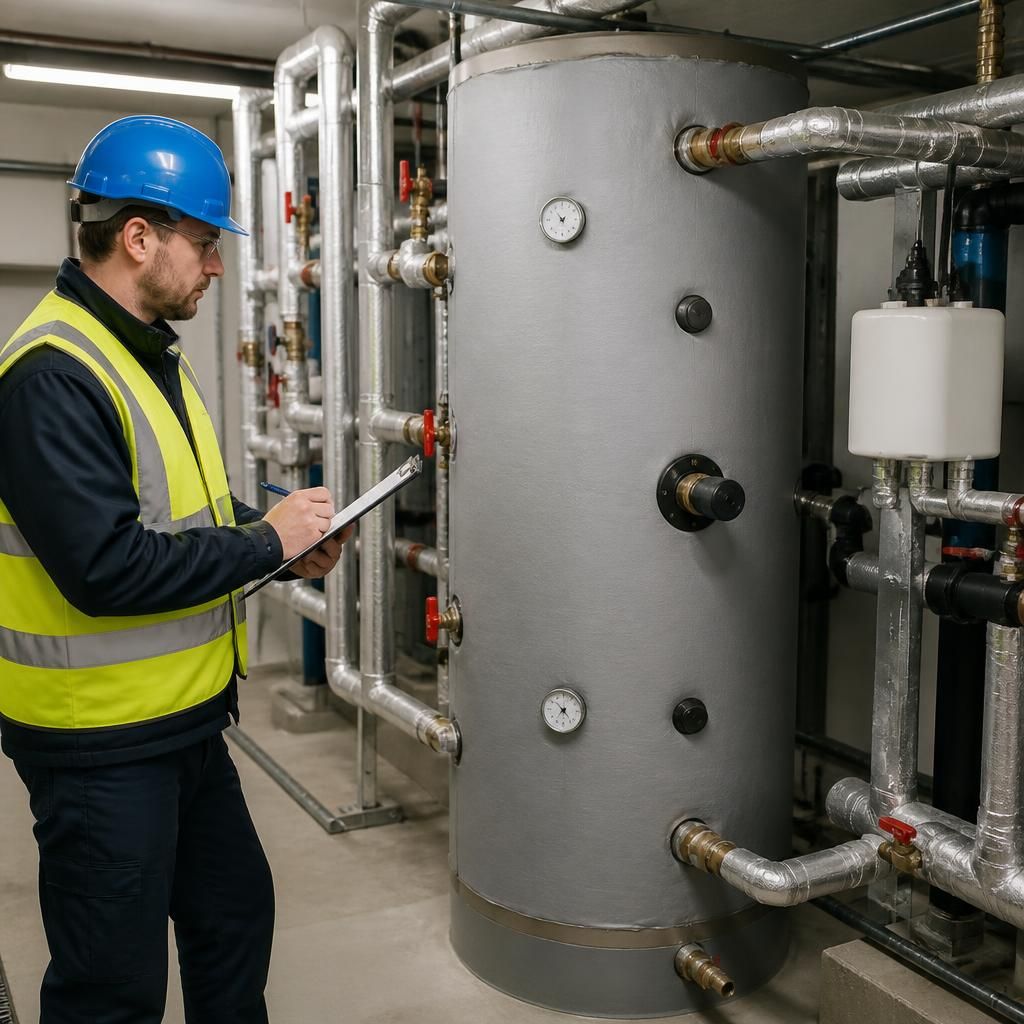
A legionella risk assessment service should also make clear where its findings are subject to limitations. If parts of the water system are inaccessible, undocumented, out of service or concealed, the report should identify those boundaries rather than presenting the assessment as complete without qualification.
Any assumptions, information gaps or areas requiring further investigation should be recorded alongside the findings. This allows the responsible person to arrange suitable follow-up work, such as obtaining updated system information, exposing concealed pipework or inspecting equipment that could not be assessed during the survey.
Discuss your legionella risk assessment requirements
Contact Blue Fish Water Management Ltd to discuss your premises, existing documentation and the scope of assessment required. This can help identify the most appropriate next steps for reviewing your water-system risks.