
How much do legionella risk assessment services cost?
Legionella risk assessment costs do not have a single fixed price; they depend on factors such as the size and complexity of the water systems, the number of assets and outlets, site access, and the level of reporting required. A suitable assessment should include a proportionate review of risks, findings and recommended control measures rather than relying on a standard tariff.
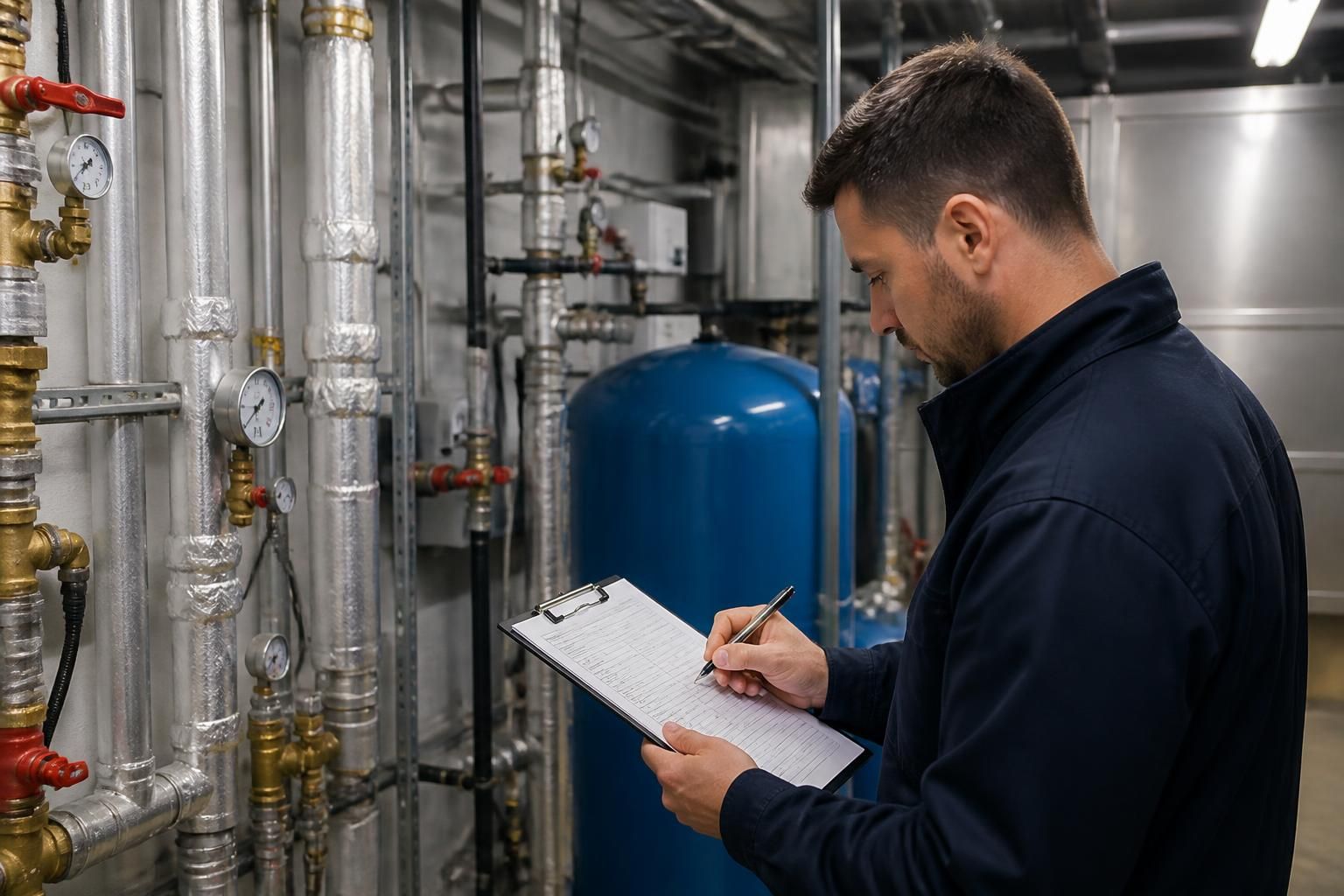
A defensible price for a legionella risk assessment reflects the work needed to produce a suitable and sufficient assessment, not simply the issue of a standard document. The fee should cover the competent review of the water systems, the evidence considered, the risks identified and recommendations that the dutyholder can act on.
There is no statutory fixed fee. Providers set prices according to their method of working and the scope agreed with the client. Two quotations for the same premises may differ because one includes a detailed site survey and bespoke report, while another provides a more limited review. Comparing the total price without comparing the deliverables can therefore be misleading.
Important cost considerations include:
- The purpose of the assessment: a first assessment, a review following changes to a building, and an update to an existing assessment may require different levels of investigation.
- The building’s use and occupancy: healthcare, care, residential, educational, leisure and workplace settings can present different exposure considerations and management requirements. The presence of vulnerable occupants may require particular attention.
- The quality of available information: current schematic drawings, asset registers, maintenance records, temperature records and previous reports can help an assessor understand the system. Where records are incomplete, more time may be needed to verify information on site.
- System and management arrangements: the assessment may need to examine storage and distribution arrangements, hot and cold water services, control measures, responsibilities, monitoring routines and escalation procedures.
- The reporting requirement: a useful report should explain the findings, identify responsible actions and distinguish significant risks from routine recommendations. Additional schedules, management summaries or support with presenting findings may be priced separately.
What should normally be included in a quotation? Ask the provider to describe the premises and systems covered, the site activities to be undertaken, the records to be reviewed, the format of the report and any assumptions or exclusions. The quotation should also make clear whether advice after the report, a review meeting or amendments following factual corrections are included.
Travel and access arrangements may be treated differently by different providers. A transparent quotation should state whether site attendance, access coordination, secure-area requirements or additional visits are included. This is particularly relevant where the assessor cannot inspect all relevant areas during the planned survey.
Assessment costs are separate from remedial work. A risk assessment identifies hazards and recommends control measures; it does not automatically include replacement equipment, cleaning and disinfection, pipework alterations, storage-tank work, temperature-control improvements or other corrective work. These items should be listed separately so that the assessment remains independent and the client can decide how to respond to the findings.
Water sampling and laboratory analysis may also be separate from the assessment fee. Testing can be appropriate where the risk profile or the assessment findings justify it, but sampling is not a substitute for examining how the water system is designed, operated and controlled. If testing is proposed, the quotation should identify the samples, analysis and reporting included.
A low initial price is not necessarily the lowest overall cost. An assessment that omits relevant plant, relies on outdated records or provides generic recommendations may leave the dutyholder needing further investigation. A more useful comparison considers the assessor’s competence, the evidence gathered, the clarity of the action plan and whether the report can be incorporated into the organisation’s ongoing water safety arrangements.
Before appointing a provider, ask:
- Which systems, buildings and areas are included?
- Will the assessor inspect plant and outlets, or review documents only?
- What information should be supplied before the visit?
- Will the report identify priorities, responsibilities and recommended timescales?
- Are sampling, follow-up advice and remedial works excluded or separately priced?
- What happens if the site conditions differ materially from the information supplied?
Blue Fish Water Management Ltd provides legionella risk assessment services alongside wider water hygiene support. Where appropriate, its assessment process can be considered with testing, compliance review, monitoring, training or remedial requirements, while keeping the cost and scope of each activity clear. The most reliable way to establish the appropriate fee is to provide accurate information about the premises and request a written quotation that explains precisely what the assessment will deliver.
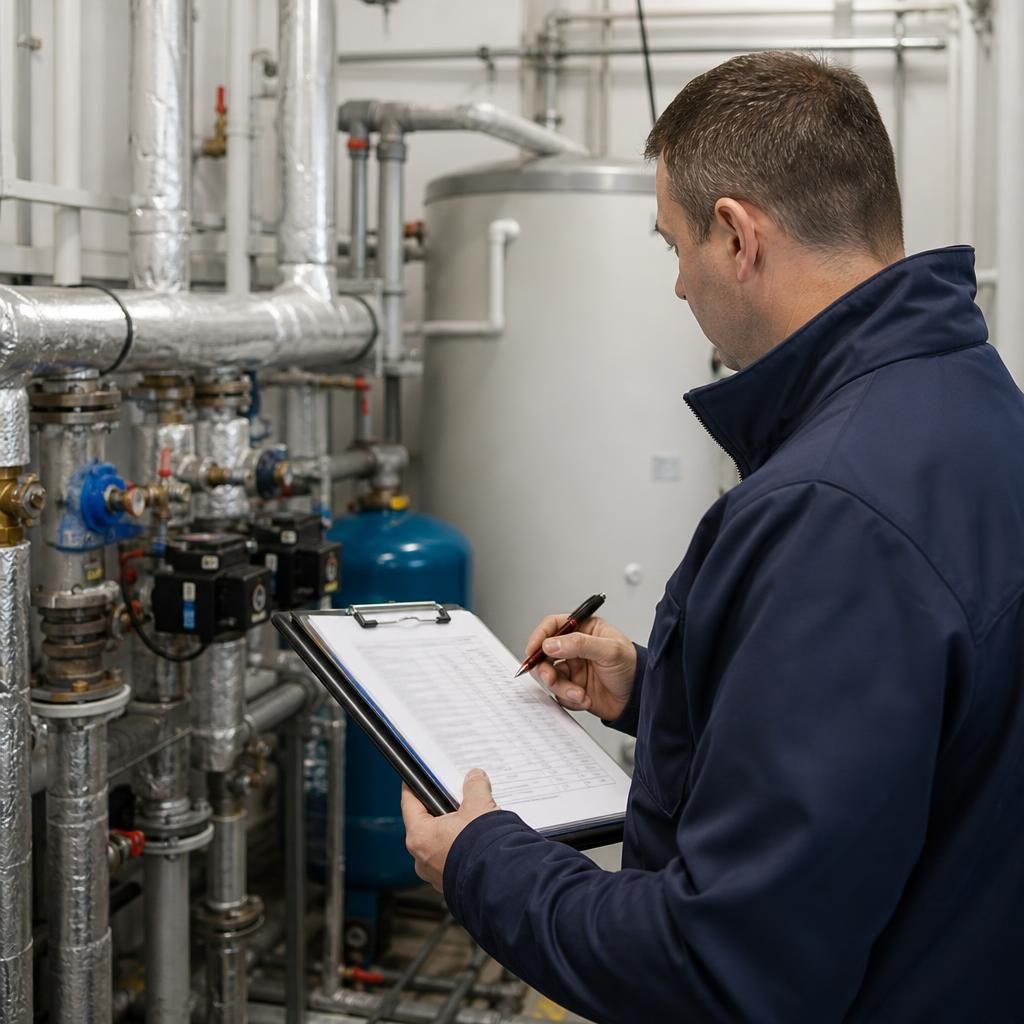
For organisations with several premises, the pricing structure can be as important as the total fee. Ask whether the quotation is calculated per building, per water system or as a coordinated programme. Sites with shared management procedures or similar system designs may be assessed using common information, while materially different buildings may require separate investigation.
Clarify how repeat visits, additional buildings and changes in scope will be charged. A written schedule showing each site, the systems to be reviewed and the reporting output makes it easier to compare quotations and obtain internal approval. It also helps prevent a low headline price from excluding premises or activities that are necessary for a complete assessment.
Request a Legionella Risk Assessment Quote
Provide details of the premises, water systems and records available to obtain a written legionella risk assessment quotation with the scope and exclusions clearly set out.