
What should I check when choosing a legionella risk assessor near me?
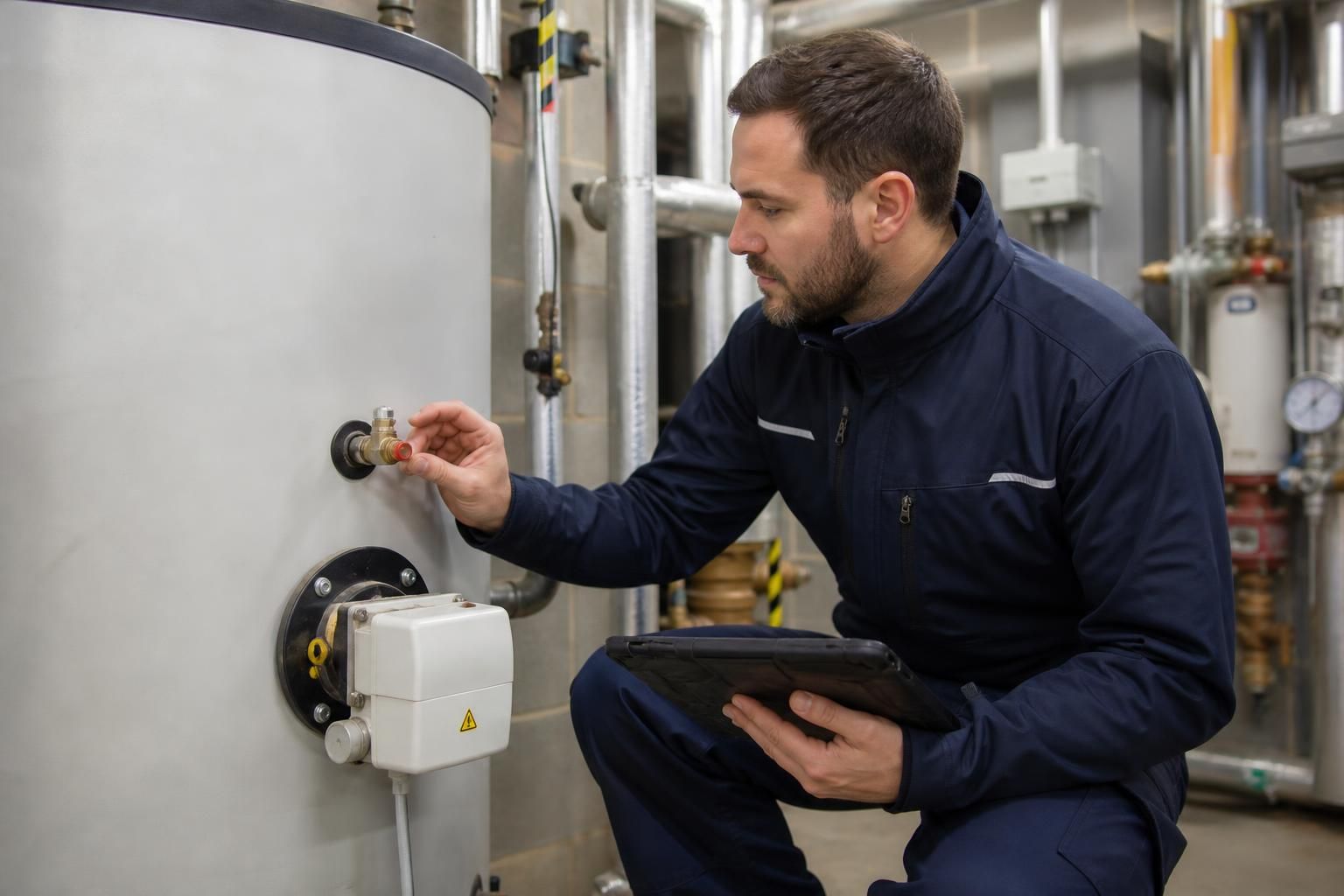
When choosing a legionella risk assessor, check the assessor’s independence, relevant technical competence, understanding of your type of premises and water systems, sampling arrangements, reporting standards and ability to support the actions that follow the assessment. A suitable provider should explain exactly what is included, identify the dutyholder’s responsibilities and produce documentation that can be used as part of the site’s ongoing water safety management.
Check the assessor’s independence. The person carrying out the assessment should be able to identify risks objectively rather than recommending unnecessary remedial work. Ask whether the assessor has any financial interest in supplying treatment, maintenance or equipment, and request a clear separation between the findings of the assessment and any optional follow-on services. Where remedial work is recommended, the reason, priority and intended outcome should be explained.
Confirm the scope before appointing anyone. The assessment should cover the whole relevant water system, not just visible outlets or plant rooms. Ask whether the visit will consider hot and cold water services, storage tanks, calorifiers, outlets, showers, secondary or redundant pipework, temperature control, dead legs, infrequently used areas and any other systems that could create an exposure risk. The scope may need to reflect cooling towers, spa pools or other specialist systems where they are present.
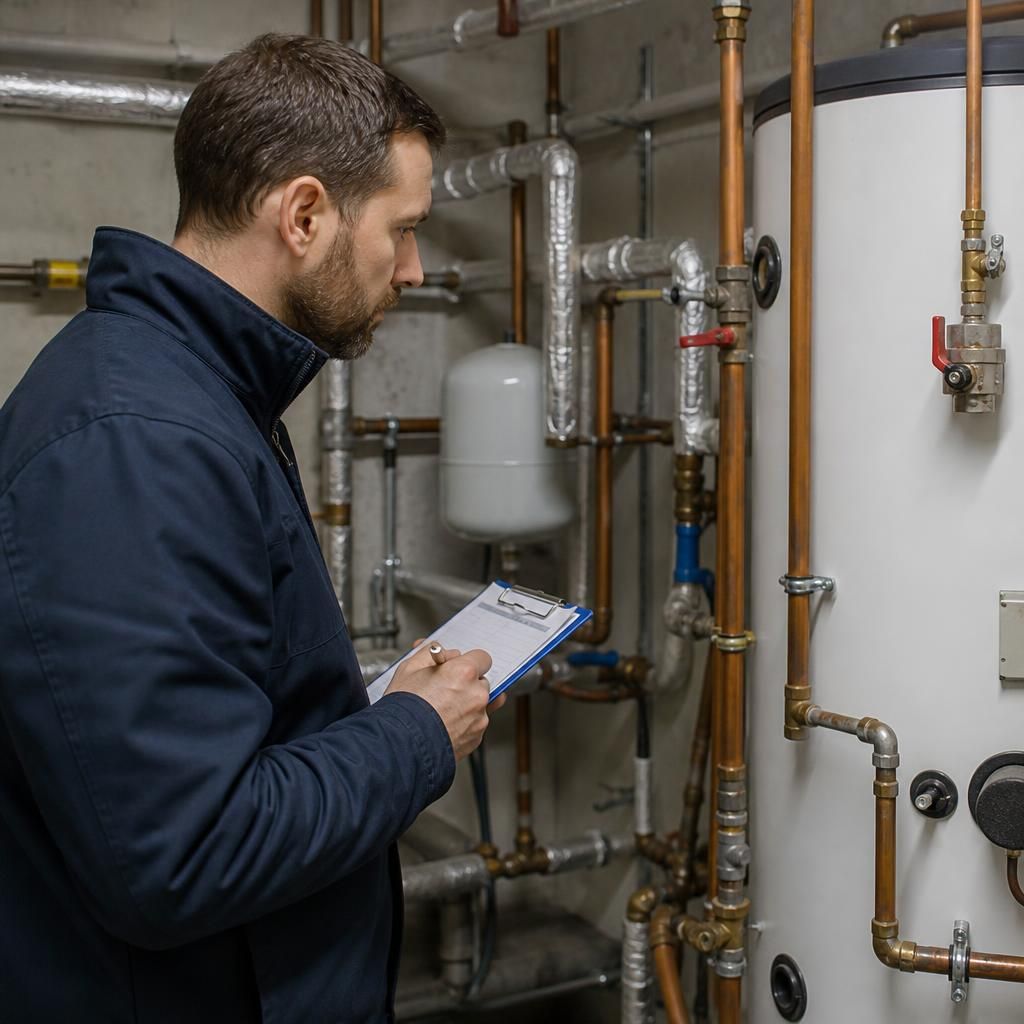
Ask how the assessment will be carried out. A proper assessment normally involves reviewing available records, inspecting equipment and pipework, speaking with relevant personnel and identifying conditions that could allow Legionella to multiply or spread. Clarify whether access to plant rooms, tanks, outlets, occupied areas and maintenance records is required. If parts of the system cannot be inspected, that limitation should be recorded rather than left implicit.
Examine the sampling and laboratory arrangements. Microbiological testing is not automatically required for every risk assessment, so the assessor should explain when samples are justified and how results will be interpreted. If testing is proposed, ask who collects the samples, how they are handled and which laboratory analyses them. UKAS-accredited laboratory testing can provide assurance that the laboratory operates against recognised competency requirements, but it does not replace a competent assessment of the system itself.
Look for knowledge of the applicable guidance. The assessor should be able to relate the work to the Health and Safety Executive’s guidance, including the Approved Code of Practice L8 and relevant parts of HSG274, as well as applicable health and safety duties. This does not mean a report should simply reproduce guidance. It should translate the requirements into findings and actions that make sense for the building, its systems and the people responsible for managing them.
Review a sample report or its proposed contents. Before appointment, ask to see an example with sensitive client information removed. Check that it records:
- the premises, systems and areas inspected;
- the assessor’s findings and the evidence supporting them;
- the people at risk and relevant patterns of use;
- existing control measures and weaknesses in those controls;
- recommendations grouped by risk and urgency;
- responsible persons or actions needed to address each issue; and
- limitations, assumptions and areas requiring further investigation.
A report that lists observations without explaining their significance is less useful than one that connects each finding to a control measure and a practical management action.
Check how recommendations will be managed. Ask whether the provider can clarify findings after the report is issued, help interpret test results and review evidence that actions have been completed. Any follow-up should be defined in writing. This may include a review of updated schematics, monitoring records, cleaning certificates, temperature logs or remedial documentation, depending on the findings.
Consider the assessor’s experience with your operational setting. A healthcare site, residential accommodation, school, factory, office, hotel or mixed-use building can present different risks because of occupancy, vulnerable people, access arrangements, water demand and system design. The important point is not a generic claim of experience but whether the assessor can demonstrate an understanding of the controls and management arrangements relevant to your premises.
Check the practical terms of appointment. Confirm the areas included, information you must provide, site access requirements, sampling costs, report format, timescale agreed for delivery, fees for additional visits and arrangements for urgent findings. Also check that the provider carries appropriate professional and public liability insurance and can identify the named assessor who will undertake the work. Clear terms reduce the risk of important parts of the system or service being excluded.
Finally, compare providers by the quality and relevance of their proposed approach rather than by price alone. The most useful assessment is one that gives the dutyholder a defensible understanding of the risks, identifies proportionate controls and fits into a documented water safety management process. Keep the final assessment with associated records and review it when the water system, building use, responsible persons or control measures change.
Discuss Your Legionella Risk Assessment Requirements
Discuss your legionella risk assessment requirements with Blue Fish Water Management Ltd to identify the most appropriate approach for your premises. The team can help clarify the information and arrangements needed before an assessment is commissioned.