
Can one Legionella Risk Assessment cover multiple sites in a sector?
A single Legionella Risk Assessment can cover multiple sites where the premises, water systems, risk profiles and management arrangements are sufficiently comparable, and the assessment clearly includes every location. If sites differ materially in their systems, use, occupancy or control measures, each requires its own assessment or a site-specific supplement.
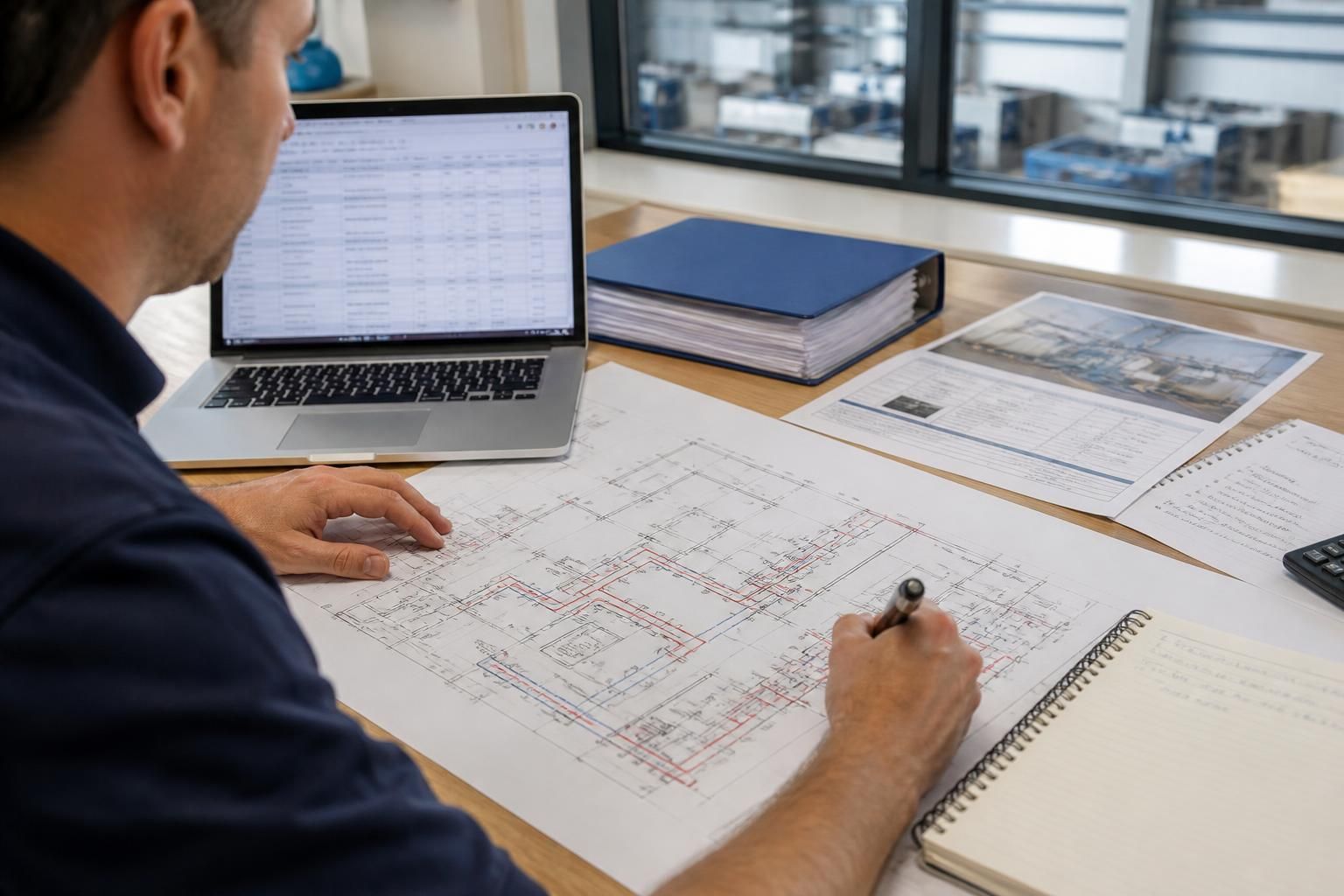
One Legionella risk assessment may be used across multiple sites when it is structured as a controlled, evidence-based group assessment rather than a generic sector template. It must demonstrate how the findings apply to each premises, identify any local differences and record the controls required at each location. A document that describes a typical building without testing its relevance to individual sites is unlikely to provide a sufficient basis for managing risk.
The assessment should begin by defining its scope. This normally includes a schedule of all included premises, their addresses, responsible persons, relevant water systems and the activities carried out at each location. It should also state the assumptions used to group the sites, such as common building layouts, comparable occupancy, similar systems and consistent management arrangements. Any premises outside those assumptions should be excluded or assessed separately.
A group assessment is most defensible where the sites have a genuinely common risk profile. Useful evidence may include:
- the same or closely comparable hot and cold water system designs;
- similar building use, occupancy patterns and vulnerable-person exposure;
- consistent control measures, maintenance arrangements and written procedures;
- the same management structure and clearly assigned responsibilities; and
- comparable findings from inspections, monitoring records and water hygiene activities.
Similarity should be demonstrated, not assumed from the fact that sites operate in the same sector. Two offices, care settings, warehouses or educational premises may have very different risks because of stored water volumes, low-use outlets, showers, cooling systems, spa facilities, vacant areas, remedial work or changes in occupancy. A shared assessment should explain how these variables were checked.
There are two practical ways to record the findings. A central assessment can contain site-by-site sections, or a core assessment can be supported by individual site schedules and appendices. Each location should have enough information for its responsible person and maintenance team to identify the relevant assets, risk controls, outstanding actions and review arrangements without relying on assumptions about another premises.
The assessor should use a representative method only where it is justified. For example, inspections might cover different building types, system configurations and operating conditions within the estate. The assessment should state which sites were inspected directly, which information was obtained from records or local contacts, how representative sites were selected and what limitations remain. Sampling cannot remove the need to address known high-risk or unusual features at particular locations.
The document should link its conclusions to the written control arrangements. This includes identifying the responsible person for each site, setting out monitoring and inspection duties, recording remedial actions and explaining how failures are escalated. Where a central team manages water safety, local staff still need clear instructions for reporting changes, taking action on abnormal results and maintaining site records. A single assessment does not automatically create a single management system.
Separate or supplementary assessment work is appropriate when a site has, for example:
- a different water system or a significant alteration to the existing system;
- cooling towers, evaporative equipment, spa pools or other specialist water systems;
- higher exposure to vulnerable people or a substantially different occupancy pattern;
- persistent low use, areas that are closed or vacant, or unusual temperature conditions;
- water quality, sampling or maintenance findings that are not reflected elsewhere in the group; or
- local control measures, contractors or management responsibilities that differ materially.
The assessment should also define review triggers rather than relying only on a routine calendar date. A significant change in use, occupancy, plant, water services, ownership, responsible personnel or control performance can alter the risk. An incident, a positive result requiring investigation, repeated monitoring failures or a programme of remedial works may also require the relevant site information to be reassessed. When only one premises changes, the whole document may not need to be rewritten, but the effect on the group assessment must be evaluated and recorded.
For regulatory or audit purposes, the strongest arrangement is an auditable master document with a current site register, revision history, inspection evidence, action tracker and clear cross-references to local records. The assessment should make it possible to distinguish a genuine common control from a control that exists only at selected premises. Records should show who approved changes and how affected sites were informed.
In practice, the decision is therefore based on evidence and governance, not on the number of buildings or the sector they serve. A competent assessor can use a common framework where conditions are comparable, while preserving site-level detail wherever the hazards, controls or responsibilities differ. This produces a proportionate assessment without treating materially different premises as though they were identical.

A multi-site Legionella Risk Assessment is evidence of how risks have been identified and controlled; it is not, by itself, proof that those controls are operating effectively. Each included premises must continue to produce records that support the assessment’s conclusions.
These records may include temperature monitoring, inspection findings, cleaning and disinfection certificates, maintenance reports, sampling results and completed corrective actions. They provide the operational evidence needed to confirm that the documented arrangements remain accurate and that issues are being identified and addressed.
A useful review should therefore compare the group assessment with current site records, rather than relying on the assessment document alone. Where records reveal repeated failures, unexplained gaps or changes in water-system performance, the relevant findings should be investigated and the assessment updated where necessary.
Discuss your multi-site Legionella assessment requirements
Discuss your multi-site Legionella assessment requirements with Blue Fish Water Management Ltd to establish the appropriate assessment structure and supporting documentation for your estate.