
Is a Legionella Risk Assessment suitable for a dental practice?
Yes. A Legionella Risk Assessment is appropriate for a dental practice because it evaluates how the practice’s hot and cold water systems, dental unit waterlines and procedures could create Legionella exposure risks, then identifies suitable control measures.
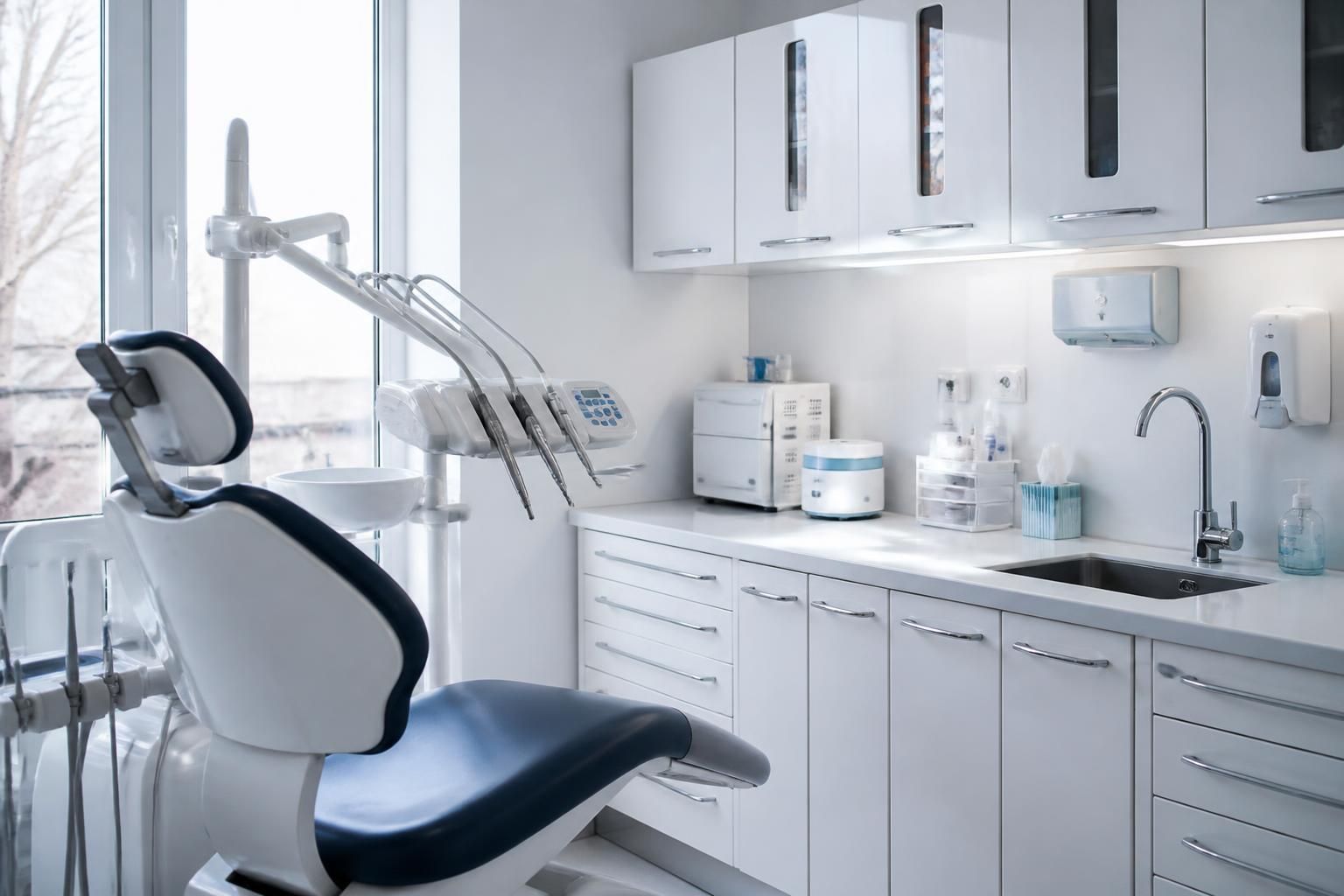
A Legionella Risk Assessment is suitable for a dental practice where the premises contain water systems that could allow Legionella bacteria to grow and spread. It is not a formality or a generic checklist: the assessment should examine the practice’s actual water services, dental equipment, operating procedures, occupancy and existing controls, then determine what action is proportionate to the risks identified.
Dental practices can contain several potential sources of exposure, including:
- hot and cold water outlets, sinks, basins, showers and stored-water systems;
- infrequently used outlets, dead legs, redundant pipework or sections with poor circulation;
- water storage tanks, calorifiers and other plant that can support bacterial growth if poorly controlled;
- dental unit waterlines and associated equipment;
- hoses, handpieces, treatment units and other devices that produce aerosols or fine droplets; and
- areas where water systems have been altered, extended, isolated or left unused.
The assessment should also take account of how the practice operates. A small practice with a straightforward mains-fed system may present a different risk profile from a larger premises with stored water, multiple surgeries, staff facilities, plant rooms or mixed-use occupancy. The age and condition of the system, water temperatures, turnover, outlet usage, maintenance arrangements and any history of problems are all relevant.
Why dental unit waterlines require specific attention
Dental unit waterlines can contain narrow-bore tubing and areas where water remains stagnant between patients or sessions. Biofilm may develop within the lines, providing an environment in which microorganisms can persist. The risk assessment should therefore consider the design of each unit, how its water supply is managed, whether anti-retraction devices are fitted where appropriate, the manufacturer’s instructions, flushing arrangements and the practice’s cleaning and disinfection procedures.
Dental procedures can generate splashes, spray and aerosols. This means the assessment should not only identify where bacteria might grow, but also how contaminated water could reach patients, dental professionals or other workers. The findings should be considered alongside infection prevention and control arrangements. A Legionella assessment does not replace a dental practice’s wider infection control procedures; it addresses the specific risks associated with water systems and water-using equipment.
What the assessment should examine
- the source and distribution of the practice’s water supply;
- the system schematic, including tanks, cylinders, calorifiers, circulation loops and outlets where relevant;
- hot-water storage and distribution temperatures, and cold-water temperatures where appropriate;
- areas of low use, stagnation, heat gain or inadequate flow;
- the location and condition of dental units and other water-connected equipment;
- procedures for flushing, cleaning, disinfection, maintenance and recommissioning;
- the competence and responsibilities of people carrying out control tasks;
- the presence of vulnerable patients, workers or visitors; and
- records showing whether monitoring and remedial actions have been completed.
Where information is unavailable, the assessor may need to verify the system through inspection, review of drawings and discussions with the practice manager, facilities provider or responsible person. An assessment based only on visible taps may miss risks in concealed pipework, plant areas or dental equipment.
What controls may follow
Control measures depend on the findings rather than on the fact that the premises are a dental practice. They may include maintaining suitable hot and cold water conditions, removing redundant pipework, improving circulation, managing little-used outlets, flushing systems after periods of inactivity, cleaning or disinfecting equipment in accordance with relevant instructions, and correcting defects that create stagnation or contamination risks.
Sampling is not automatically a substitute for effective control. Water testing may be appropriate where the assessment identifies a reason for it, such as an unexplained problem, a change to the system, suspected contamination or the need to verify remedial work. Results should be interpreted by a competent person in the context of the system and its controls, rather than treated as the only measure of risk.
Responsibilities and documentation
The practice owner, employer, landlord or other dutyholder may have responsibilities depending on the premises, contractual arrangements and who controls the water systems. A named responsible person should have sufficient authority, knowledge and support to implement the written control scheme. Where work is outsourced, the practice still needs to understand which duties remain with it and how contractors’ work will be checked.
The completed assessment should be kept with supporting information such as system descriptions, monitoring records, cleaning schedules, test results, maintenance reports, training records and details of corrective action. It should be reviewed when the water system, dental equipment, use of the premises or patient population changes, and when monitoring or other evidence indicates that the existing assessment may no longer reflect the risk.
Blue Fish Water Management Ltd can support dental practices with risk assessments, water hygiene monitoring, compliance audits, UKAS-accredited water testing, training and remedial works. The appropriate combination depends on the findings of the assessment and the controls already in place.
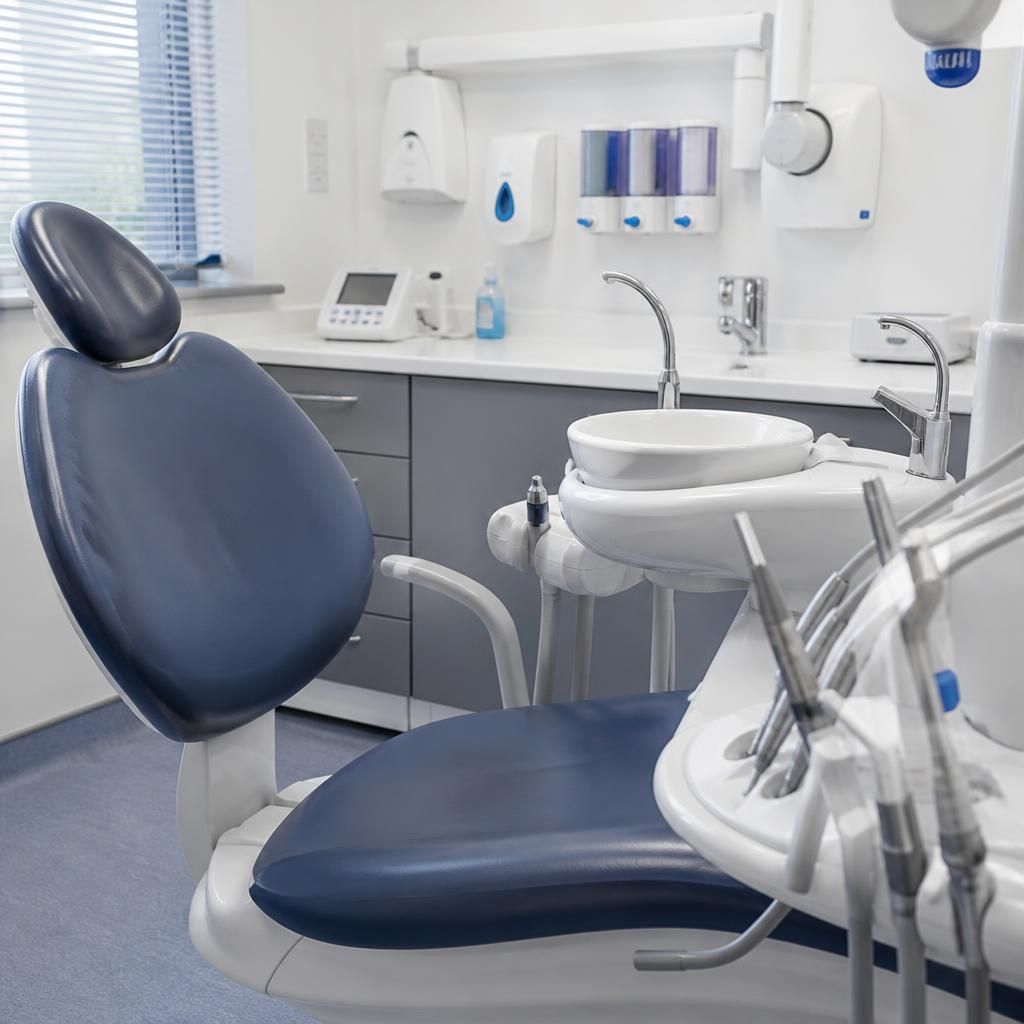
A dental practice Legionella Risk Assessment should produce a clear, prioritised action plan rather than simply record that water systems are present. Each finding should identify the affected part of the system, explain the potential exposure route, state the recommended control and assign responsibility for completing it. This makes the assessment useful to the practice manager, responsible person and any facilities contractor.
The report should also distinguish between actions that are essential and improvements that can be considered later. For example, an immediate defect affecting water temperature or a dental unit’s cleaning process may require a different response from a lower-priority record-keeping improvement. This proportionate approach helps the practice direct resources towards the controls most relevant to its actual risk.
Discuss a Legionella Risk Assessment for your dental practice
If you need to establish whether your dental practice’s water systems and dental equipment require further assessment, speak with Blue Fish Water Management Ltd about your circumstances. The team can advise on an appropriate Legionella Risk Assessment and any follow-up support indicated by its findings.