
How often should a Legionella Risk Assessment be reviewed?
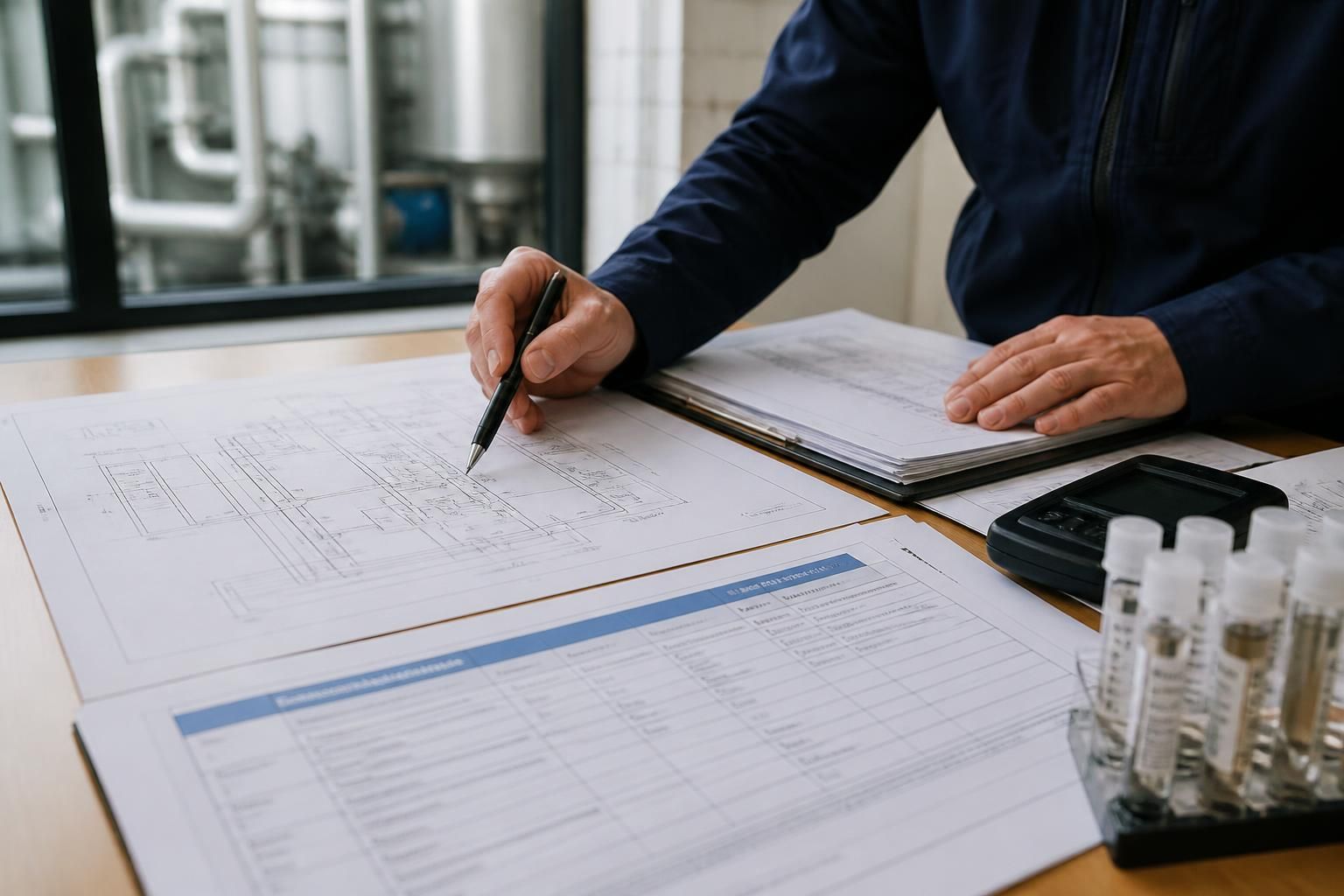
The important distinction is between a scheduled review and a completely new assessment. A review checks whether the existing assessment still accurately describes the water systems, people exposed and control measures in place. It should be carried out by a competent person with suitable knowledge of legionella risks and the site’s water services.
A proper review should confirm that the assessment includes:
- an accurate description of the hot and cold water systems, including storage tanks, calorifiers, outlets and associated equipment;
- current schematic drawings or other records showing how water flows through the system;
- identified sources of risk, such as areas of low use, stagnant water, unsuitable temperatures, deposits or poorly maintained components;
- the people who may be exposed, including employees, residents, visitors, patients or other vulnerable individuals where relevant;
- clearly assigned responsibilities for monitoring, maintenance, corrective action and record keeping;
- control measures that are practical, implemented and supported by monitoring records; and
- outstanding remedial actions, with their status and any further action required.
The review should compare the written assessment with conditions on site. Water systems can change in ways that are not reflected in drawings or asset registers. For example, outlets may be removed or added, rooms may be converted, pipework may be altered, plant may be replaced, or sections of a building may become unused. A site inspection helps identify these discrepancies and confirms whether stated control measures are being followed in practice.
Changes in how a building is occupied can also affect the assessment. A change from ordinary office use to accommodation, healthcare, leisure or another higher-risk application may alter both exposure and the controls needed. Changes to occupancy, periods of low use, vulnerable people on the premises or the way water outlets are operated should therefore be considered as part of the review.
Monitoring results provide another important check. Temperature records, inspection findings, water hygiene test results and maintenance reports may show that a control is not working as intended. Repeated failures, unexplained results or evidence of contamination should prompt investigation rather than simply being filed with the existing assessment. The assessment may need to be revised, and remedial work may be required before the risk can be considered adequately controlled.
A review is not a substitute for routine control measures. Flushing, temperature checks, cleaning, disinfection, servicing and other monitoring activities should continue in accordance with the site’s written control scheme. The review examines whether those arrangements remain suitable; it does not remove the need to carry them out between formal reviews.
Each review should be documented. The record should state the date, the person who carried it out, the information and areas inspected, any changes identified, actions raised and the date or circumstances for the next review. Where no amendment is needed, that conclusion should still be recorded with the reasons supporting it. Clear records demonstrate that the assessment is being actively managed rather than treated as a one-off document.
If the review identifies substantial changes or unresolved control failures, updating the assessment should not be delayed until the next planned review date. The responsible person should ensure that interim precautions, corrective actions and appropriate escalation are recorded while the revised assessment is prepared.
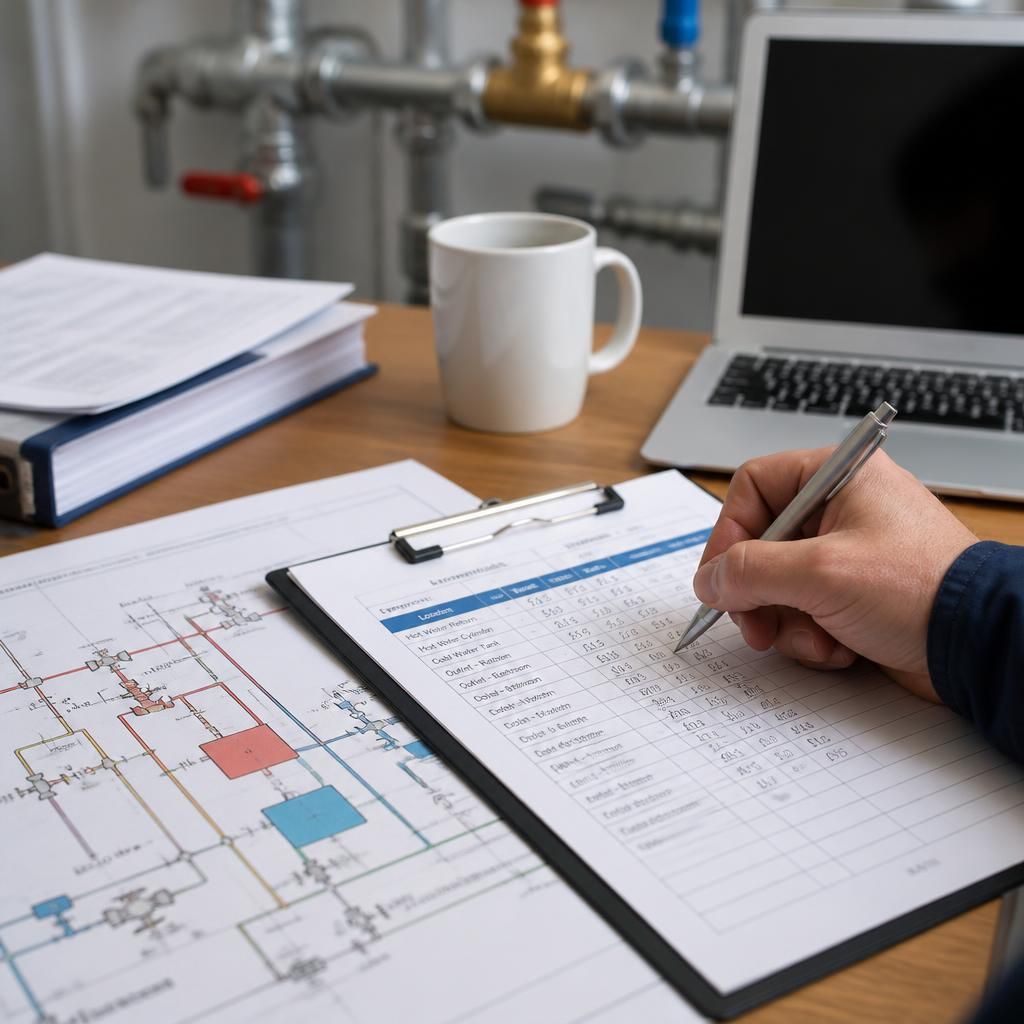
The review interval for a Legionella Risk Assessment is separate from the frequency of water hygiene monitoring. Regular temperature checks, flushing records and microbiological testing help show whether controls are operating, but they do not replace a formal assessment review or extend its validity.
A current assessment considers the whole management arrangement, including system design, usage, maintenance and responsibilities. This means an assessment may require attention even where recent test results appear satisfactory, while a review should examine those results as part of the wider evidence. Keeping these activities distinct helps ensure that testing supports the risk assessment rather than being treated as a substitute for it.
Arrange a Legionella Risk Assessment Review
Contact Blue Fish Water Management Ltd to discuss arranging a competent review of your Legionella Risk Assessment and identifying any updates required.