
Who should attend legionella training courses?
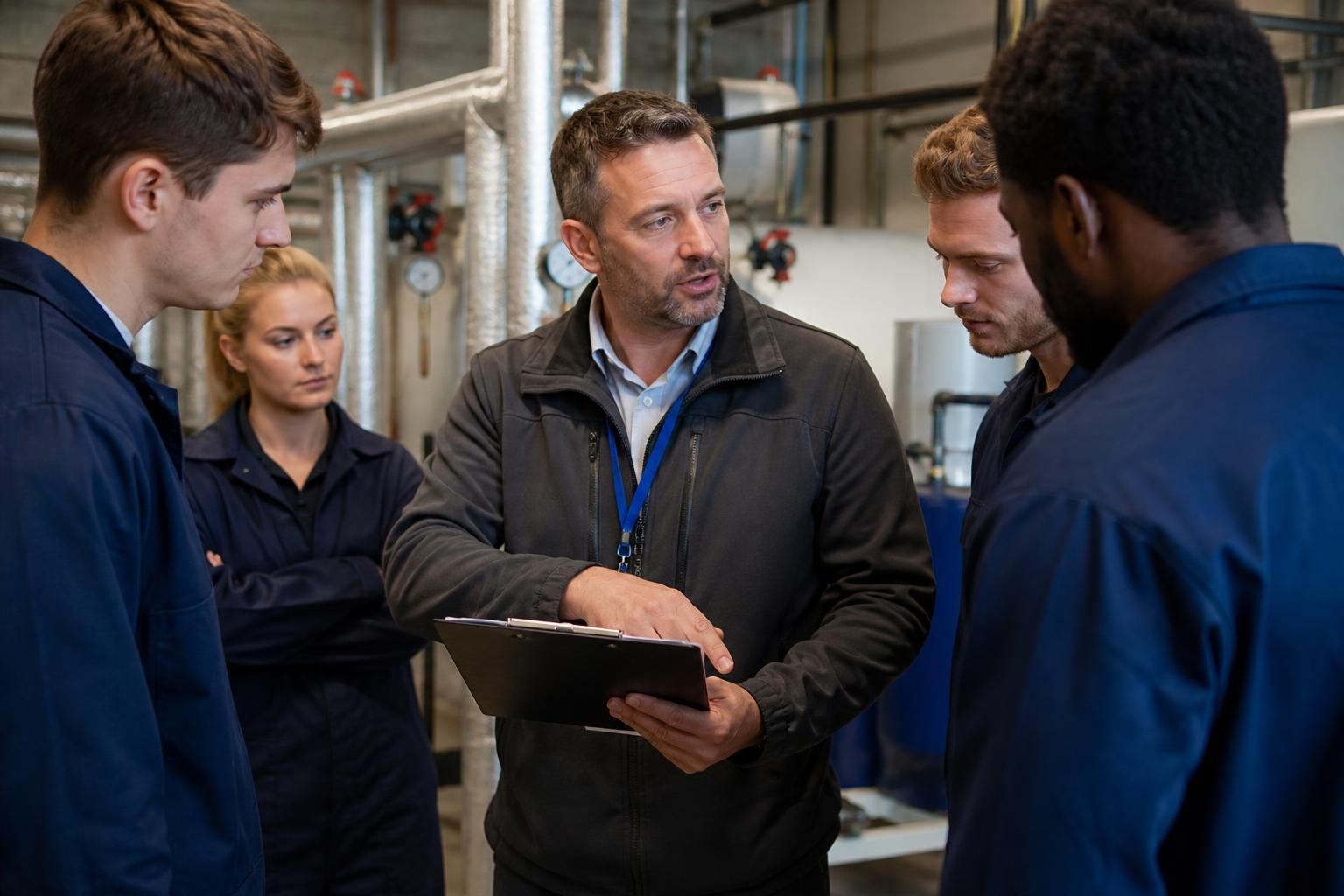
Legionella training is appropriate for anyone whose decisions, work or oversight could affect the safety of a water system. This includes people who set responsibilities, assess risk, control building services, carry out monitoring or maintenance, verify compliance, or supervise contractors. The correct course should be selected according to the individual’s actual duties rather than their job title alone.
Dutyholders and senior decision-makers should have sufficient knowledge to understand their responsibilities, appoint competent support and confirm that suitable controls are in place. They may not need detailed instruction in sampling or temperature measurement, but they should be able to interpret risk assessments, allocate resources, review significant findings and recognise when specialist advice or remedial work is required.
Responsible persons and water safety leads generally require more detailed training because they coordinate the legionella control programme. Their learning may need to cover:
- understanding the building’s water systems and sources of risk;
- reviewing and maintaining legionella risk assessments;
- setting control measures and monitoring schedules;
- checking that records, actions and escalation arrangements are complete;
- managing changes to systems, occupancy or building use; and
- assessing the competence of people carrying out specialist tasks.
Facilities, estates and building-services personnel should attend training when they manage plant, water outlets, storage vessels, distribution systems or planned maintenance. This is particularly relevant where their work involves temperature checks, flushing, valve operation, cleaning, disinfection, inspection or responding to abnormal readings. Their course should focus on the practical controls they are expected to apply and the evidence they must record.
Maintenance engineers and operational staff need training that matches the tasks they perform. Someone taking routine measurements requires different instruction from a person undertaking cleaning and disinfection, modifying pipework or investigating a suspected control failure. Task-specific competence matters because incorrect sampling, incomplete flushing or poorly controlled remedial work can undermine an otherwise suitable management plan.
External contractors and specialist service providers should be included where they work on water systems or provide services that influence legionella control. This can include plumbing and mechanical contractors, water-treatment specialists, cleaning and disinfection teams, sampling personnel and those servicing equipment. Their responsibilities should be defined before work begins, including the information they must receive, the records they must provide and the limits of their authority on site.
People who review or assure compliance may also need training. Internal auditors, compliance managers, health and safety professionals, property managers and procurement teams benefit from understanding what competent control looks like. This helps them assess whether a proposed service specification, risk assessment, monitoring report or corrective-action plan is technically appropriate, rather than relying solely on the presence of documentation.
Training may also be necessary for staff who manage higher-risk premises or vulnerable occupants, including those involved in healthcare, social care, housing, education, hospitality or large commercial estates. The need depends on the water systems, occupancy, vulnerability of users and the person’s responsibilities. A person overseeing a straightforward office installation will not necessarily require the same depth of knowledge as someone managing complex systems across multiple buildings.
Not every employee needs a technical legionella course. General staff may only need suitable instruction on reporting issues, following access or outlet-use procedures and avoiding actions that interfere with controls. However, anyone asked to make decisions, take measurements, maintain records or direct corrective work should receive training proportionate to those duties.
Organisations should review attendance when responsibilities change, new equipment or systems are introduced, monitoring shows recurring problems, or an individual takes on unfamiliar tasks. Training records should identify the course completed, its relevance to the person’s role and any further supervision or practical assessment required. This role-based approach provides stronger evidence of competence than enrolling staff on the same course regardless of what they do.
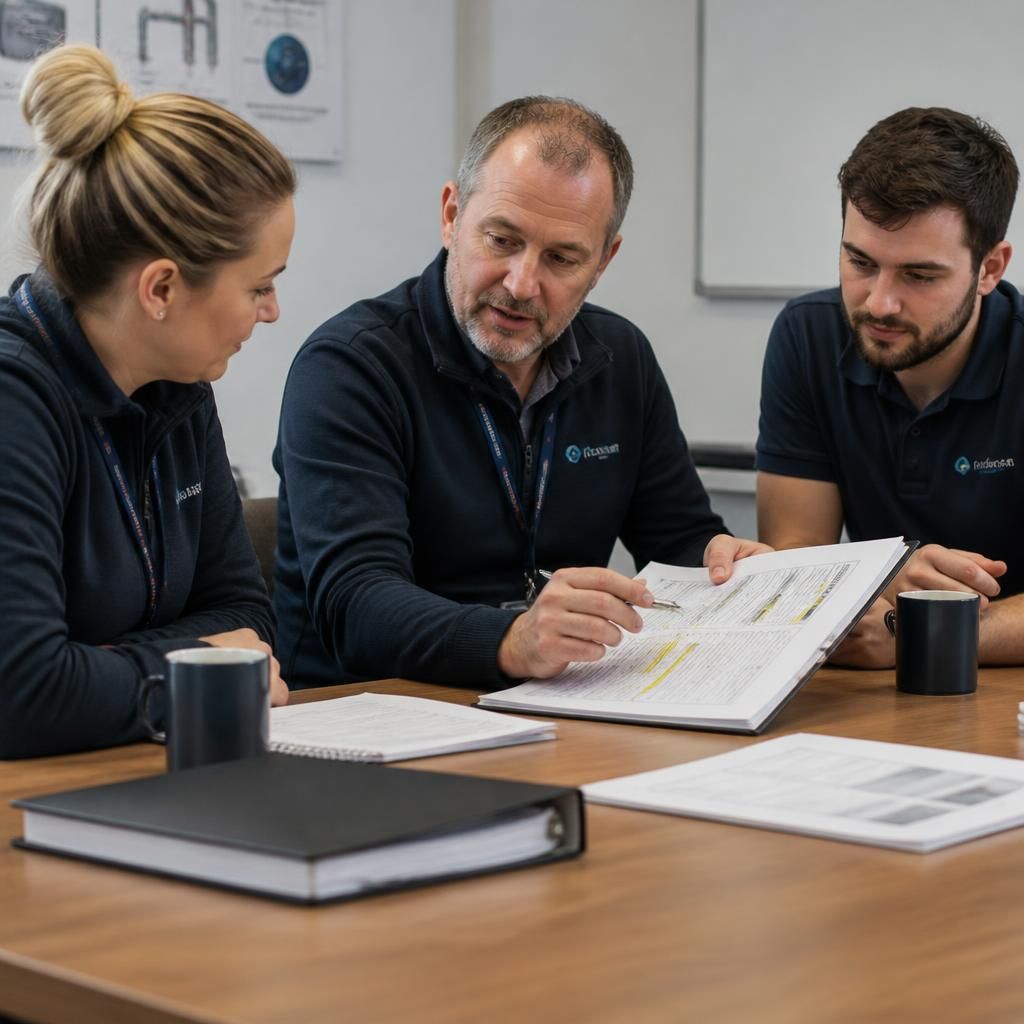
Legionella training should not be limited to the person formally named as responsible. Deputies and cover staff should also attend when they may make decisions or carry out water-safety tasks during a handover, absence or change of personnel. Without suitable knowledge, a control measure can be missed or an abnormal result handled incorrectly.
The deputy’s training should reflect the duties they may assume, including how to identify relevant control information, recognise a situation requiring escalation and maintain continuity when responsibilities change. This is particularly important where water-safety decisions are shared between site teams and a central facilities or compliance function.
Find the right legionella training course for your team
Review each team member’s responsibilities and contact Blue Fish Water Management Ltd for advice on selecting suitable legionella training courses.