
What should I prepare before attending legionella training courses?
Before attending legionella training courses, gather relevant water system information, existing risk assessment records and your organisation’s procedures. Prepare questions about your responsibilities, monitoring arrangements and any areas of legionella control that you need to understand more clearly.
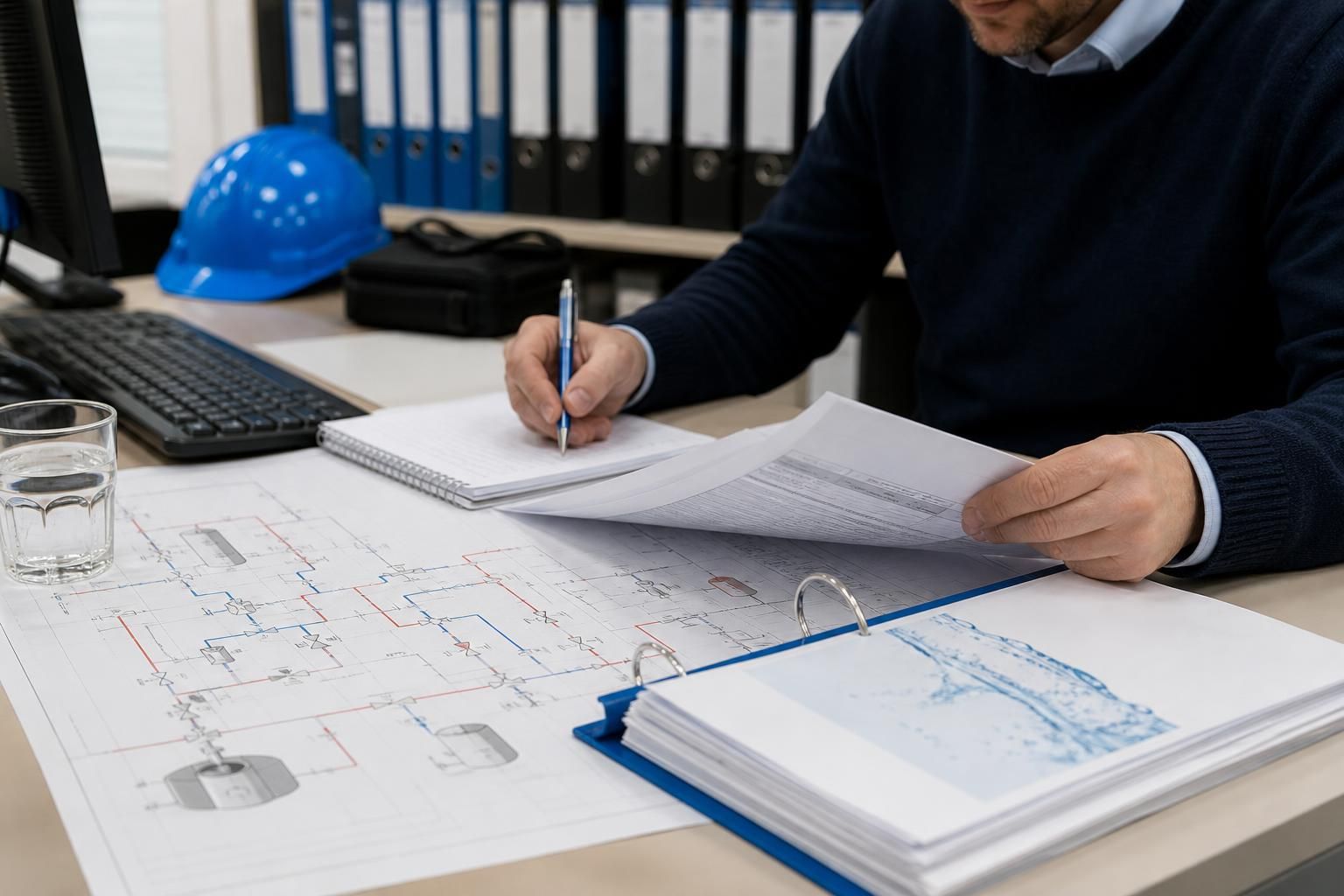
Preparation for legionella training courses means confirming that the course matches your role, understanding the learning objectives and organising the practical information you may need to apply the learning at work. You do not need to memorise every technical detail beforehand; a clear understanding of your responsibilities and the situations you need to manage will make the training more useful.
Confirm that the course is suitable for your role
Check the course description, level and intended audience before attending. Legionella training may be designed for people who manage water safety arrangements, carry out operational checks, supervise maintenance activities or need a general awareness of the risks. The appropriate depth of training depends on the decisions you make and the tasks you perform.
Also check the stated learning outcomes and any joining instructions. These may explain whether the course is classroom-based, delivered online or includes practical activities. If the provider identifies prior knowledge, equipment or technical requirements, resolve these points before the course begins rather than assuming they will be covered on the day.
Understand your position within the organisation
Be clear about where your role begins and ends. Consider:
- which water safety decisions you are authorised to make;
- which matters must be referred to a manager, competent person or specialist contractor;
- who receives monitoring results, defects and reports of possible exposure; and
- how corrective actions are approved, recorded and followed up.
This helps you relate the course material to actual lines of accountability. It can also reveal questions about delegation, cover for staff absence, contractor control or communication between departments.
Refresh the basic principles
A short review of the main legionella control principles can help you follow more detailed explanations. Revisit the factors that can encourage bacterial growth, including unsuitable temperatures, stagnation, low or inconsistent usage, deposits and system condition. It is also useful to distinguish between routine control measures, monitoring, verification and remedial action.
Focus on understanding how control measures work rather than trying to learn a list of terms by rote. If you encounter unfamiliar terminology in the joining information, note it down so that you can ask for clarification during the course.
Prepare relevant workplace examples
Think of situations that may affect your organisation’s water systems, such as infrequently used outlets, changes to occupancy, maintenance shutdowns, temperature results outside the expected range or uncertainty about who should act on a defect. Anonymised examples are usually sufficient; confidential personal, tenant or client information should not be shared unnecessarily.
Examples help connect general principles with decisions made in a real workplace. They may also help the trainer explain how to prioritise actions, when to escalate a concern and what evidence should be retained.
Make the practical arrangements
Before attending, check the venue or online access details, start instructions, required software and any identity or registration requirements. For online learning, test the device, connection, camera or audio arrangements if these are part of the course. For an in-person course, take suitable note-taking materials and follow any instructions about clothing or equipment. Do not assume that personal protective equipment or site access is required unless the provider has specifically stated this.
Tell the training provider about relevant accessibility, communication or learning requirements when booking or as soon as they become apparent. This gives them an opportunity to explain the available arrangements and any limitations of the course format.
Plan the questions you want answered
Prioritise questions that affect decisions in your role. Useful areas may include how to interpret monitoring trends, how to deal with a failed control measure, how to document actions, how responsibilities should be allocated and when specialist advice is appropriate. Write down the questions before attending, then leave space to record the answers and any follow-up actions.
Training is not a substitute for a site-specific assessment or a formal decision by the person responsible for water safety. Its purpose is to develop knowledge and competence so that work can be carried out and escalated appropriately. After the course, review your notes, identify any actions that require approval and share relevant learning with colleagues whose work affects water system control.
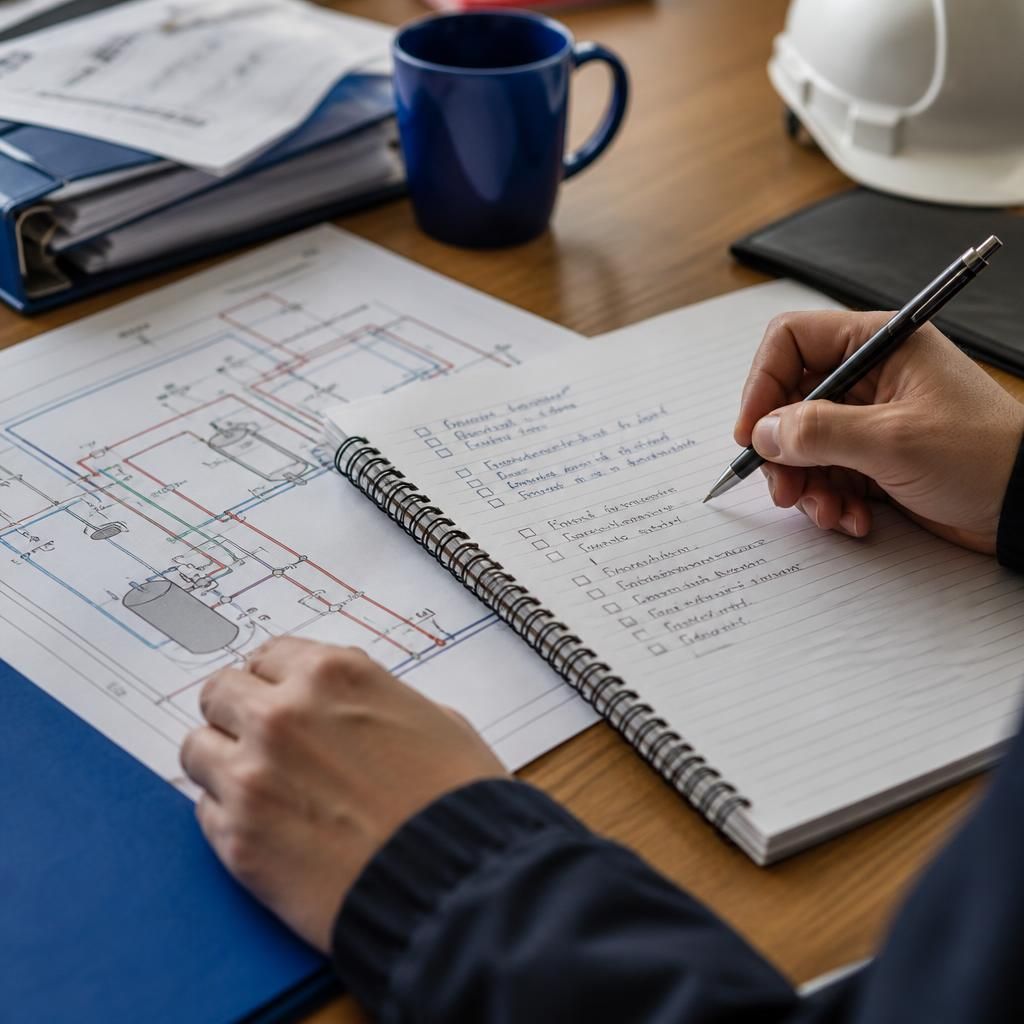
If the course includes a knowledge check, practical exercise or pre-course activity, confirm the requirements before attending. Review the provider’s stated learning objectives and use them to identify any areas where your understanding is less secure. Complete required reading or preparatory exercises in advance, and check whether you may refer to notes or course materials during an assessment.
Where the training involves applying principles to workplace situations, be ready to explain the type of water systems and responsibilities relevant to your role without disclosing unnecessary confidential information. This allows the trainer to distinguish between a gap in general knowledge and an issue that requires site-specific technical advice.
Discuss Your Legionella Training Requirements
If you are unsure which legionella training course fits your organisation’s responsibilities, discuss your requirements with Blue Fish Water Management Ltd before booking. They can help you identify the appropriate training focus for your team and water safety duties.