
What information is needed before pricing a legionella risk assessment?
Before pricing a legionella risk assessment, a provider usually needs the site address, building use, occupancy, water systems and outlets, along with any existing schematics, monitoring records, previous assessments and known concerns. Details of the required scope, site access and whether multiple buildings or locations are involved also help produce an accurate quotation.
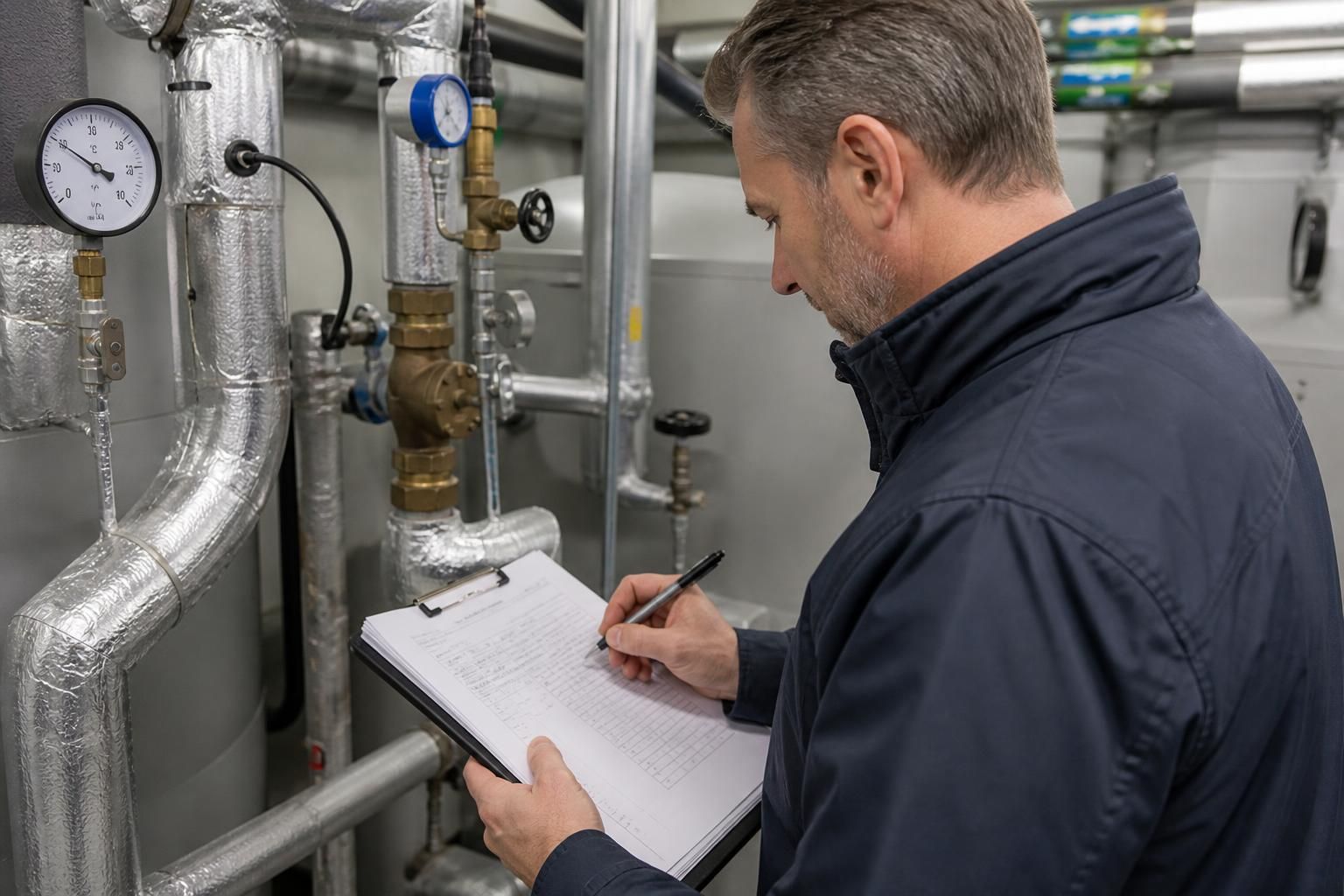
An accurate legionella risk assessment price depends on the amount of competent assessor time required and the work products expected. Before preparing a quotation, a provider may also need information about the management arrangements, changes affecting the water systems, site-specific constraints and any additional deliverables required alongside the assessment.
Information about management arrangements
- The organisation commissioning the assessment and the person responsible for coordinating it.
- Whether the assessment is being arranged for an employer, landlord, managing agent, facilities team or another dutyholder.
- The name of the person who can explain how the premises are managed and confirm the accuracy of the final report.
- Whether the assessment is a new requirement, a replacement for an outdated document or part of a wider compliance review.
This helps the assessor understand who will use the report and whether its findings need to be presented for a particular management or governance process.
Information about changes and operational conditions
Pricing may be affected by changes since the last assessment. Useful details include alterations to the building, refurbishment, changes to the way areas are used, periods of vacancy, seasonal operation and any change in the people who may be especially vulnerable to infection. A history of modifications can indicate that older documentation may not fully represent current conditions, which may require additional investigation.
It is also helpful to identify whether control measures are currently being changed or whether remedial work is already planned. An assessment may need to take account of temporary arrangements, recently altered plant or a system that is not operating in its normal condition.
Information affecting the survey process
Some premises require particular arrangements before an assessor can carry out the work. Tell the provider about:
- security procedures, inductions, permits or escort requirements;
- restricted plant areas or locations that need specialist approval;
- known hazards or site rules that affect inspection activities;
- any periods when relevant areas cannot be inspected; and
- whether the survey must be coordinated with another contractor or site activity.
These details help prevent a quotation from being based on an unrealistically simple visit. Where inspection arrangements are complex, the provider may need to allow more time or clarify what can be assessed during the proposed work.
Information about the required deliverables
The quotation should state what the client expects to receive. A standard written assessment may not include every related service, so clarify whether the price should cover items such as:
- a formal written report with prioritised recommendations;
- an action plan or presentation of findings to relevant staff;
- updates to existing asset information or site documentation;
- water sampling or laboratory analysis, where separately required;
- a review of completed remedial actions; or
- advice on establishing or improving ongoing control measures.
These are distinct activities and should be identified separately rather than assumed to be included in the assessment fee. If sampling or testing is required, the quotation should explain the sampling points, laboratory arrangements and reporting format.
What to send when requesting a quotation
A concise procurement brief is usually sufficient at the first stage. It should identify the commissioning organisation, describe any recent changes, explain unusual operating or survey conditions and list the outputs required. Existing information can then be supplied in the format available, with any gaps clearly identified.
The provider may request clarification before confirming the price. This is preferable to relying on assumptions, because an assessment based on incomplete information may need additional work once the assessor is on site. A well-defined quotation should therefore distinguish the assessment itself from optional testing, follow-up advice and remedial services, and should clearly state any assumptions, exclusions and matters that could change the final charge.

The assessment method should be confirmed before a price is accepted. A review based mainly on supplied records is different from an assessment involving physical inspection, discussions with site personnel and verification of the water systems. These approaches require different amounts of assessor time and may produce different levels of evidence.
When requesting a quotation, ask the provider to state whether the price covers a desktop review, a site survey or both. The quotation should also explain how inaccessible areas, unverified information and discrepancies between drawings and the installed system will be handled. This makes it easier to compare quotations fairly and understand what the proposed assessment will actually examine.
Request a Legionella Risk Assessment Quote
Once the required information and deliverables have been identified, contact Blue Fish Water Management to discuss the proposed scope and request a legionella risk assessment quotation.