
What makes legionella risk assessment costs increase?
Legionella risk assessment costs increase when a site is larger, has more complex or extensive water systems, requires access to multiple areas, or involves additional records, sampling and specialist evaluation. Assessments may also cost more where historical information is incomplete or remedial recommendations require detailed investigation.
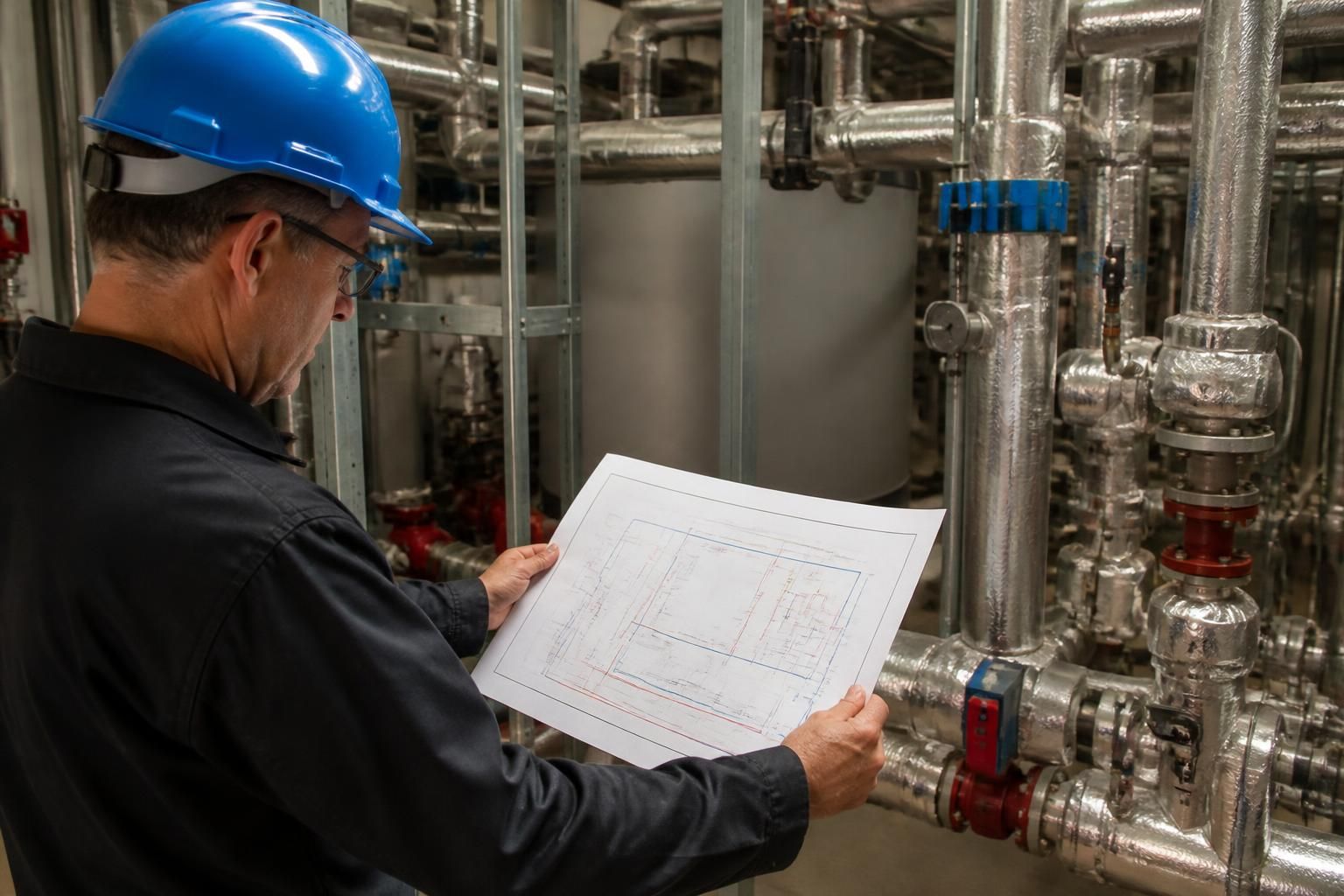
Legionella risk assessment costs increase when the assessment requires more professional judgement, coordination or follow-up than a standard review of a straightforward water system. The main influences are the risk profile of the premises, the number of responsible parties, the condition of the management arrangements and any additional work needed to produce evidence-based control measures.
The type of premises can affect the level of assessment required. Buildings occupied by people who may be particularly susceptible to Legionnaires’ disease, such as healthcare settings, care environments or accommodation for vulnerable residents, may require closer consideration of exposure routes and control arrangements. Premises containing aerosol-generating equipment, hot tubs, evaporative cooling systems or other higher-risk plant can also require more detailed technical evaluation than a simple domestic hot and cold water installation.
Shared responsibility can add to the work involved. In a multi-tenant or multi-occupancy building, responsibility for water systems may be divided between an owner, facilities manager, managing agent, tenants and maintenance contractors. Establishing who controls each part of the system, who receives monitoring results and who acts on defects can require additional interviews and review of contractual arrangements. A clear assessment must identify these duties rather than treating the building as though it has one straightforward dutyholder.
Unclear system ownership and changes to the premises may increase the final cost. A quotation is normally based on the information available at the time. If later discussions reveal additional plant, altered accommodation, vacant areas brought back into use or water systems managed by another organisation, the scope may need to be revised. This is why a useful quotation should state which buildings, systems and areas are included and how changes to the agreed scope will be handled.
The required level of reporting also matters. Some clients need a concise risk assessment for an uncomplicated site, while others require a detailed document that links assets, control measures, responsibilities and corrective actions across a complex estate. Reports may need to support internal governance, contractor management, audit activity or communication between several dutyholders. Producing a document that can be used as a practical management tool generally involves more analysis than providing a list of observations.
Sampling and technical investigations can be separate cost drivers. A risk assessment is not automatically the same as a water testing programme. Where sampling is necessary to investigate a suspected problem, verify control measures or establish a baseline, laboratory analysis and associated site work may be added to the quotation. Additional investigation may also be appropriate where temperatures, disinfection arrangements, plant operation or other control information do not provide a reliable picture of the system.
Specialist system knowledge may be needed. Cooling towers, spa pools, process water systems and complex domestic hot and cold water services can require an assessor to interpret plant operation and control procedures in greater depth. The cost reflects the time needed to understand how the system is designed to operate, how it is actually being managed and whether the controls are suitable for the identified risks. This is different from applying a standard checklist to every type of premises.
Follow-up requirements can increase the overall project cost. An assessment may identify the need for a revised schematic, clearer written procedures, additional monitoring arrangements, remedial work or confirmation that corrective actions have been completed. These activities should be distinguished from the initial assessment in the quotation. In some cases, a client may request a review meeting, a revised report or a further visit after improvements have been made.
When comparing quotations, check whether the price covers:
- the named buildings, plant and water systems;
- interviews with relevant dutyholders and maintenance personnel;
- review of existing policies, monitoring records and maintenance information;
- sampling, laboratory testing or specialist investigations;
- the format and level of detail of the final report;
- recommendations, action planning and responsibilities; and
- any review visit or report update after remedial work.
A higher cost is not necessarily evidence that an assessment is more effective, just as a lower cost may reflect a narrower scope. The important comparison is whether the quotation gives the assessor enough time and information to evaluate the actual water systems, identify who must manage each risk and provide recommendations that can be implemented. Blue Fish Water Management Ltd can advise on the appropriate scope, water hygiene testing and associated compliance work where the assessment requires more than a basic site review.
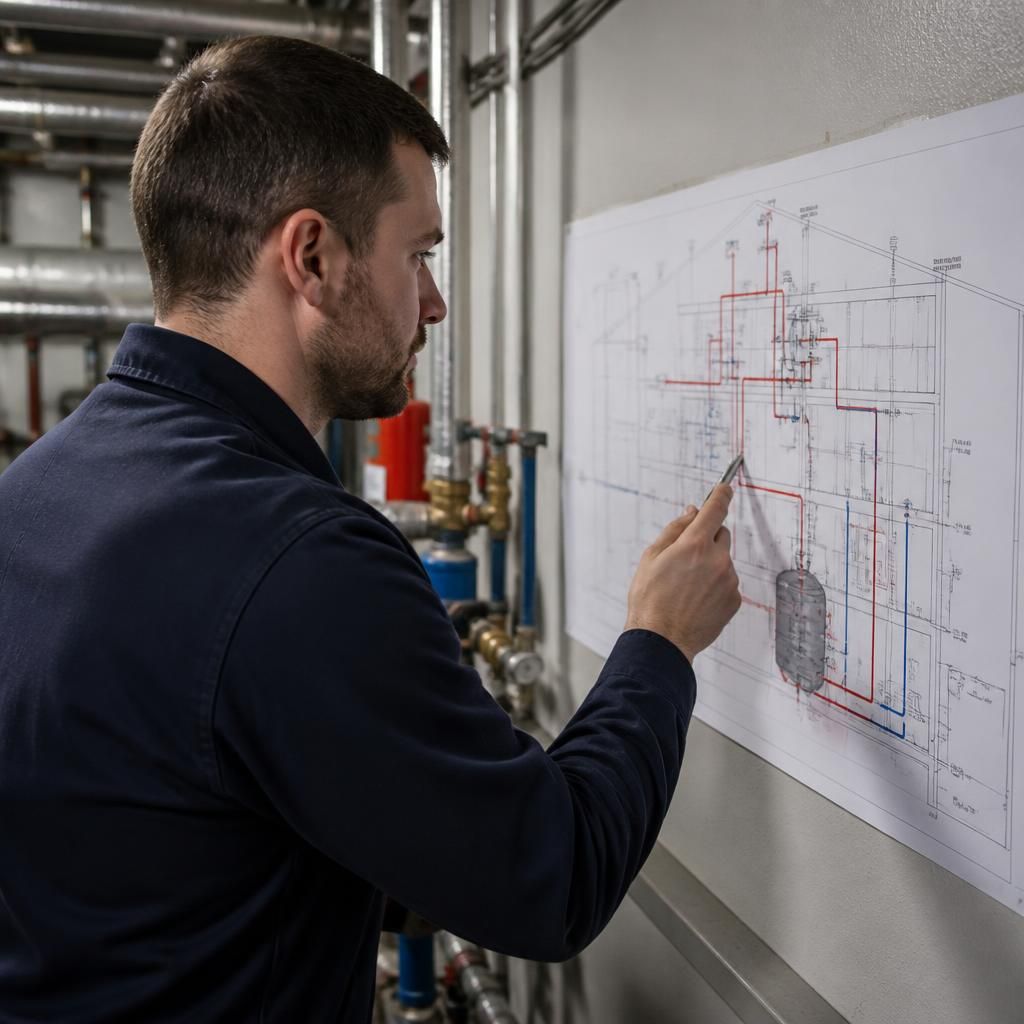
Access arrangements can increase legionella risk assessment costs when the assessor cannot inspect all relevant areas in a single, straightforward visit. Secure premises, restricted plant rooms, controlled environments and buildings that remain in use may require escorts, inductions or access at separately arranged times. These requirements add coordination and on-site time without changing the underlying assessment method.
The quotation should explain how access limitations will be managed and whether return visits are included. If essential plant, storage tanks or outlets cannot be inspected, the assessor may need further evidence, additional visits or clearly stated assumptions before producing a reliable assessment. Providing access to relevant areas and arranging suitable site contacts in advance can help keep the scope and cost transparent.
Discuss your legionella risk assessment requirements
Discuss your legionella risk assessment requirements with Blue Fish Water Management Ltd to clarify the appropriate scope and supporting evidence for your premises.