
Can an existing legionella risk assessment reduce the cost of a new assessment?
An existing legionella risk assessment may reduce the cost of a new assessment if it is current, complete and relevant to the water systems and site conditions. However, a competent assessor must review its findings, verify any changes and update the assessment where necessary rather than simply reusing it.
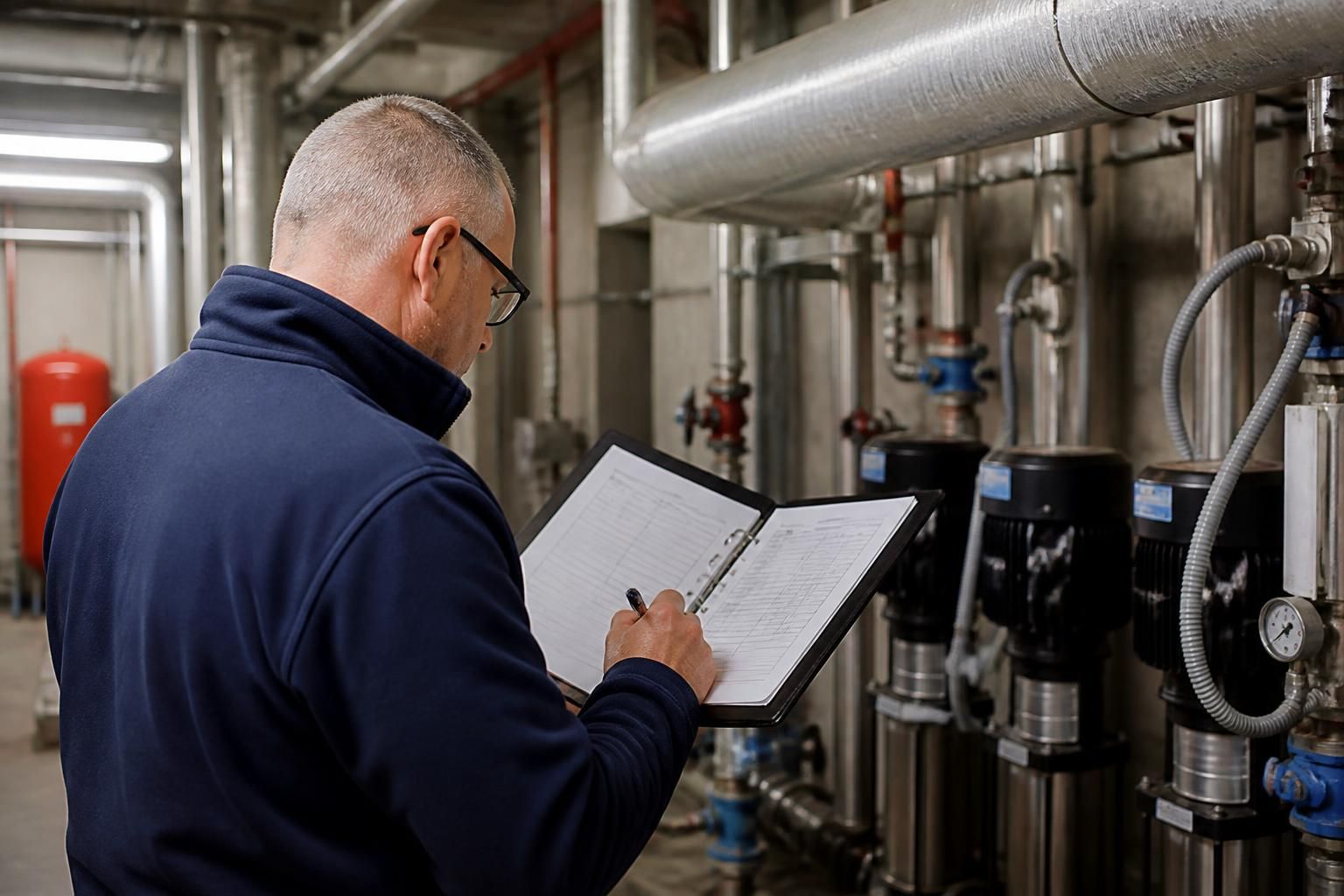
It can reduce the cost of a new assessment, but usually by reducing the assessor’s information-gathering and survey work rather than by allowing the previous document to be reused unchanged. The assessor still needs to establish that the recorded arrangements reflect the present building, water systems and management controls.
A previous assessment is most useful as a starting point. It can provide background on the system design, identify key assets and outlets, record historic control measures and show which risks were previously considered significant. This information may make the next assessment more efficient, particularly where the site has remained stable and the supporting records are well maintained.
The assessor will normally review the document alongside current evidence. Useful supporting information can include:
- current water system schematics and asset registers;
- records of temperature checks, flushing, cleaning and disinfection;
- maintenance, remedial work and monitoring records;
- details of changes to plant, pipework, outlets or water storage;
- records of occupancy, use and periods of low or vacant occupancy; and
- information about changes in responsible personnel or the site’s water safety arrangements.
These records help demonstrate whether the control measures described in the earlier assessment are still operating. They do not remove the need for professional judgement. Records may be incomplete, measurements may no longer represent current conditions, and a system can change even when no major refurbishment has taken place.
A competent assessor should therefore compare the previous assessment with the present site. This commonly involves:
- checking the scope, date and quality of the earlier assessment;
- identifying changes to the building, water services, occupancy or responsible persons;
- verifying the system description against the installation on site;
- reviewing whether control measures have been implemented and monitored;
- investigating gaps, discrepancies or unresolved recommendations; and
- updating the findings, risk rating and management actions where required.
A site visit may still be necessary even when the existing document appears detailed. It allows the assessor to verify outlets, dead legs, storage arrangements, thermostatic mixing valves, calorifiers, water temperatures and other features that may have been altered or missed previously. The extent of that visit, and whether sampling or additional technical investigation is needed, will depend on the system and the findings of the review.
An earlier assessment is less likely to reduce the work where the premises have changed use, undergone refurbishment, gained new water outlets or plant, experienced extended periods of disuse, or had changes to the hot and cold water systems. A change in occupancy can also affect the risk, particularly where vulnerable people are present. Significant deficiencies, a history of poor control, unexplained monitoring results or a relevant incident may mean that a more detailed reassessment is appropriate.
It is also important to distinguish between reviewing an existing assessment and producing a new assessment. A review may be suitable where the system and risk profile are demonstrably unchanged and the document remains technically reliable. An updated assessment is more appropriate where the original findings need revising. In some cases, the assessor may conclude that a full new survey and report is required. The responsible person remains accountable for ensuring that the assessment is suitable for the current premises, regardless of who prepared the earlier version.
When comparing quotations, ask what work is included rather than assuming that an existing report automatically lowers the fee. The quotation should make clear whether it covers a document review, site inspection, verification of records, water sampling, updated schematics, remedial recommendations and the final report. It should also explain how additional work will be handled if the previous assessment is incomplete or conditions on site differ from the documentation.
Blue Fish Water Management can use relevant historical information as part of a structured review, while checking it against current site conditions and water hygiene records. This approach helps separate information that can be carried forward from findings that require fresh verification, so the scope and cost of the assessment are based on the work the premises actually require.

An existing legionella risk assessment may reduce the fee for preparing the updated assessment, but it does not necessarily reduce the total cost of achieving compliance. If the earlier report identifies unresolved risks or the current review finds deficiencies, remedial work, additional monitoring, cleaning, disinfection or water sampling may still be required.
For this reason, compare quotations by separating the assessment itself from any follow-on work. A clear quotation should show which costs relate to reviewing and updating the assessment, and which relate to testing or correcting the water system. Blue Fish Water Management can help distinguish historical findings from current actions, so the financial implications are considered alongside the assessment scope.
Discuss your existing legionella risk assessment
Share your existing legionella risk assessment with Blue Fish Water Management for an initial discussion about the appropriate review or reassessment scope and quotation.