
Is water testing included in a legionella risk assessment price?
Water testing is not automatically included in every legionella risk assessment price. It is usually quoted separately when testing is needed, depending on the assessment scope, the water system and the purpose of the samples.
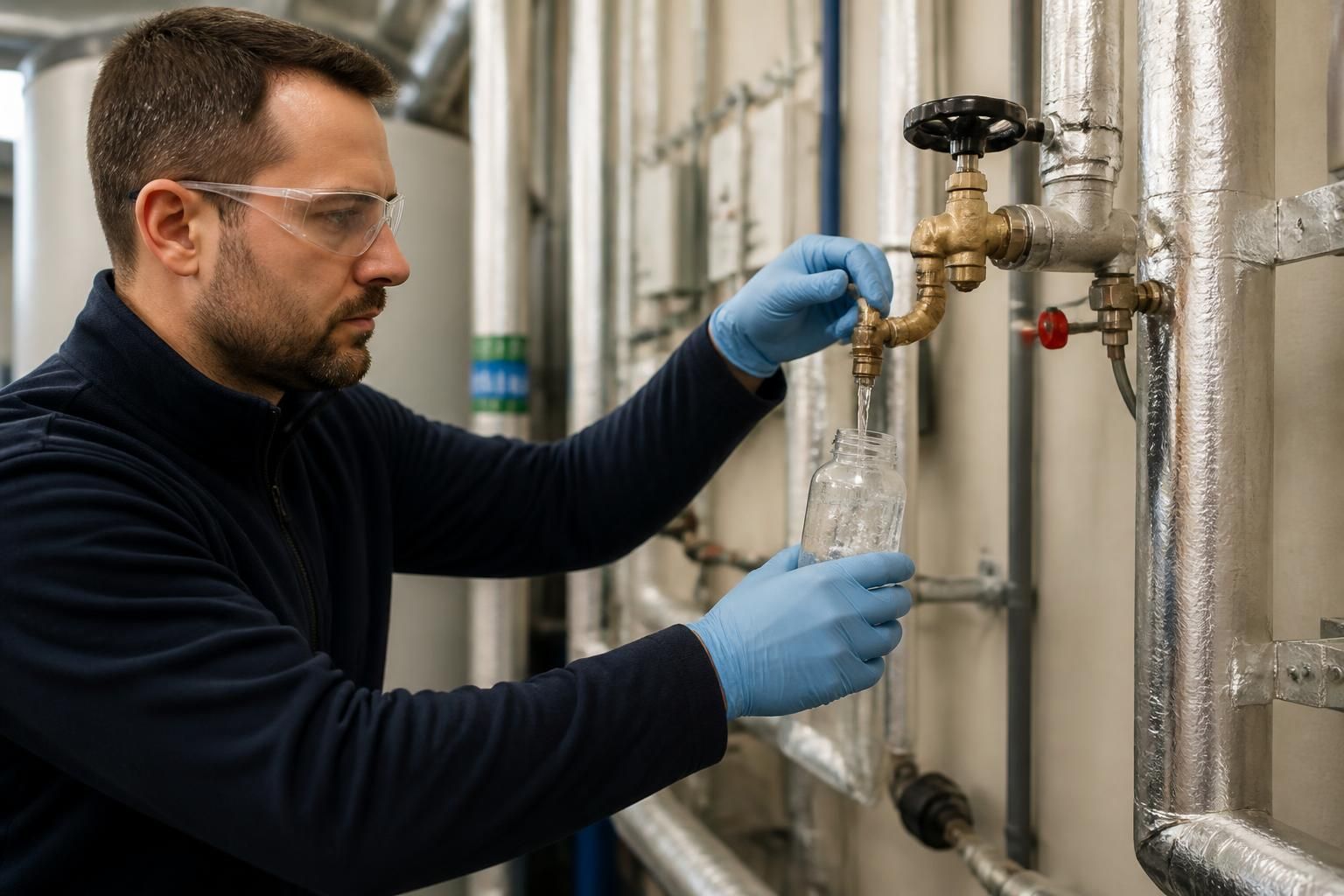
A legionella risk assessment and water testing are separate parts of water system management. The assessment examines how a system is designed, operated and maintained, identifies conditions that could allow Legionella to grow, and records the control measures required. Testing analyses water samples, so it is an additional activity unless the agreed scope and quotation specifically include it.
Testing is not needed for every assessment. A competent assessor should decide whether samples are justified by the findings and the purpose of the work. Sampling may be appropriate where:
- the system presents a higher or more complex risk, such as circulating hot and cold water services, cooling systems or other systems that can generate aerosols;
- temperature control, disinfection or other management measures appear inadequate;
- there is a history of elevated results or previous Legionella concerns;
- the assessment is being used to investigate a suspected exposure or incident;
- remedial work has been completed and results are needed to help verify its effectiveness; or
- routine monitoring arrangements require periodic microbiological samples.
Conversely, taking samples does not replace a proper risk assessment. A laboratory result describes the condition of the sampled water at a particular time and location. It does not, by itself, demonstrate that the whole system is safely managed. The assessor still needs to consider the system schematic, outlets, storage, temperatures, turnover, stagnation, maintenance records, responsible persons and procedures for controlling risk.
Where testing forms part of the work, the quotation should make the scope clear. Check whether it includes the sampling visit, the number and type of samples, sample locations, laboratory analysis, reporting, interpretation of results and any follow-up advice. Also establish whether travel, repeat samples, urgent investigations or post-remedial verification are treated as separate charges. A price that simply says “water testing included” may not explain how many samples are covered or what happens if a result requires further investigation.
The number of samples should be based on the system and the reason for testing, rather than selected solely to achieve a lower price. Sampling points may include representative hot and cold outlets, storage arrangements or parts of a system identified as higher risk. The assessor should be able to explain why each location has been selected and what the results are intended to show. Samples should be handled correctly and submitted for suitable analysis, with results interpreted in the context of the risk assessment.
For commercial and industrial premises, it is useful to separate three possible cost elements when comparing quotations:
- Assessment: inspection, information gathering, review of management arrangements and production of the risk assessment report.
- Sampling and analysis: collection of water samples and laboratory testing, where justified.
- Follow-up work: investigation, additional sampling, remedial measures or advice after the results are received.
These elements may be combined into one package, but they should still be itemised or explained. This makes it easier to compare like-for-like prices and prevents a low initial fee from being mistaken for a complete testing and assessment service.
When requesting a price, provide details of the water systems, building use, number of outlets, storage or cooling equipment, previous test results and the reason for the assessment. Ask the provider to state clearly whether testing is recommended, why it is needed, which laboratory will analyse the samples and whether the report will explain the implications of the findings. Blue Fish Water Management Ltd can advise on the relationship between risk assessment, sampling, monitoring and remedial action, with water testing available through UKAS-accredited arrangements where the scope requires it.
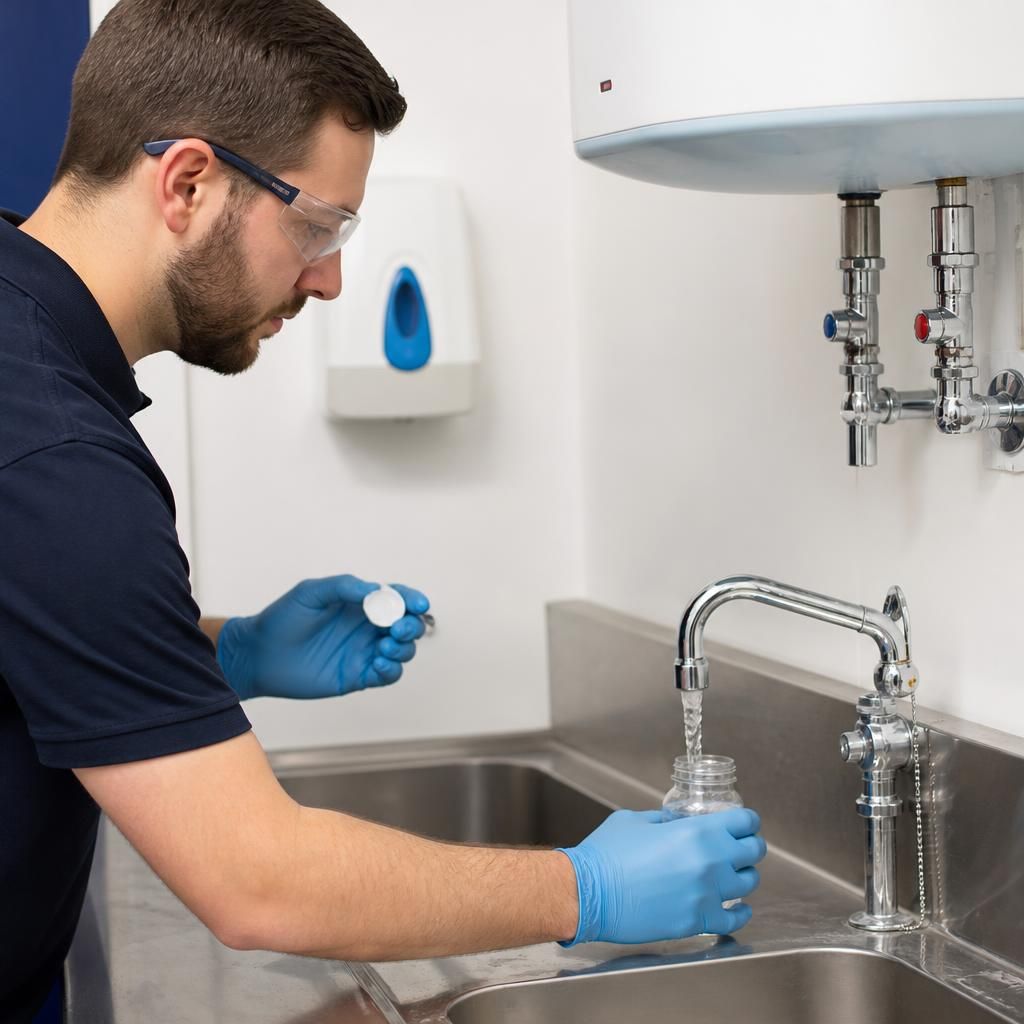
Where a quotation refers to UKAS-accredited water testing, check what the accreditation covers. It should relate to the laboratory’s approved testing scope and the analysis being requested, rather than automatically applying to every part of the risk assessment service. The price should also explain whether accredited analysis is included for all stated samples and whether the assessment report will place the results in context.
This distinction helps avoid misunderstanding a quotation. A risk assessment may be completed by a competent assessor, while the samples are analysed by a suitably accredited laboratory under a separate cost line. Both parts should be identified clearly so the organisation understands which service is being purchased and what evidence the final report will contain.
Ask whether water testing is included in your assessment price
Ask Blue Fish Water Management Ltd to review your system and clarify whether water testing belongs in the proposed scope. Request an itemised quotation so you can understand the assessment and any associated testing costs before instructing the work.