
Will legionella prevention work disrupt business operations?
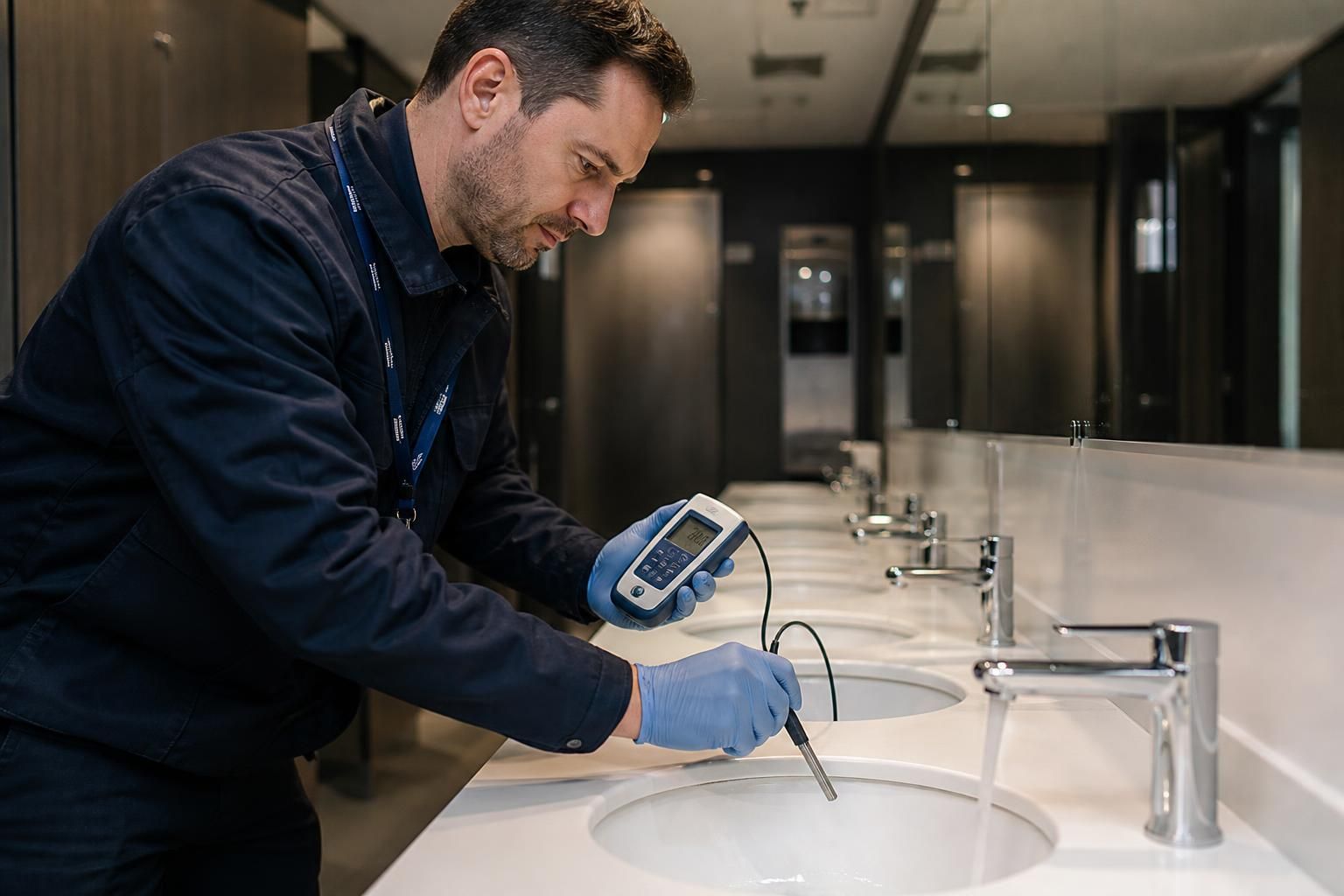
Legionella prevention does not usually require a business to stop operating. The work can often be planned around existing maintenance arrangements, with controls selected according to the water system, the people who may be exposed and the level of risk identified. The practical impact depends mainly on the access required, the condition of the system and whether corrective work is necessary.
Which activities are likely to cause disruption?
Many control tasks have little effect on normal operations. These may include reviewing system information, inspecting plant and outlets, checking temperatures, examining water management records and taking samples from selected points. Sampling may require temporary access to taps, showers, tanks, calorifiers or other system components, but it does not normally mean that the whole premises must close.
Some activities can affect particular areas for a limited period. For example, an outlet may need to remain unused while a sample is taken, or access may be needed to a plant room, roof space, service cupboard or tenant-controlled area. In a workplace, hotel, healthcare setting, residential block or industrial premises, the relevant departments can be told which rooms, outlets or facilities are affected so that alternative arrangements can be considered.
When can the impact be greater?
More substantial interruption may be needed where a system requires remedial work. Examples can include cleaning and disinfection, removing scale or sludge, repairing defective components, improving insulation, correcting temperature control or modifying parts of the distribution system. The work may involve isolating sections of the water supply, restricting use of showers or outlets, or arranging access to areas that are normally occupied.
The extent of the interruption should be based on the identified risk rather than applied as a standard response. A well-maintained system with clear records may need routine monitoring and targeted checks. A system with poor temperature control, infrequently used outlets, stagnant sections, contamination or unclear responsibilities may require a more detailed programme of investigation and corrective action.
How can disruption be managed?
- Plan inspections, sampling and maintenance alongside other planned building or engineering work where practical.
- Identify the outlets, plant areas and rooms requiring access before work starts.
- Coordinate with facilities managers, occupiers, contractors and responsible persons.
- Provide clear instructions where outlets must not be used or where temporary restrictions apply.
- Use suitable alternative facilities when a washroom, shower area or water outlet is unavailable.
- Record what was inspected, sampled or changed, including any follow-up actions.
- Confirm that affected parts of the system are safe to return to normal use after remedial work.
Good planning also reduces the risk of conflicting instructions. Staff and contractors should understand who can authorise isolation, who communicates restrictions and who verifies that the work has been completed properly. This is particularly important in multi-occupancy buildings or sites where the water system is shared between several businesses.
Does prevention require regular closure or major works?
No. Legionella management is generally based on ongoing control, monitoring and proportionate action, not repeated whole-site shutdowns. Routine checks can often be incorporated into facilities management procedures. However, avoiding disruption must not take priority over controlling a significant water safety risk. If a serious defect or contamination is identified, temporary restrictions or urgent remedial work may be necessary.
A competent legionella risk assessment can distinguish between controls that can be completed during normal site activity and issues that need planned intervention. It should also identify responsible persons, access requirements, monitoring arrangements and actions for unusual conditions such as low occupancy, changes in building use or sections of the system falling out of regular service.
Blue Fish Water Management Ltd can support businesses with legionella risk assessments, water testing, compliance audits, system monitoring, training and remedial works. The appropriate approach is to define the risk, explain the operational implications and agree a practical sequence of work so that water safety duties are addressed without creating avoidable interruption.
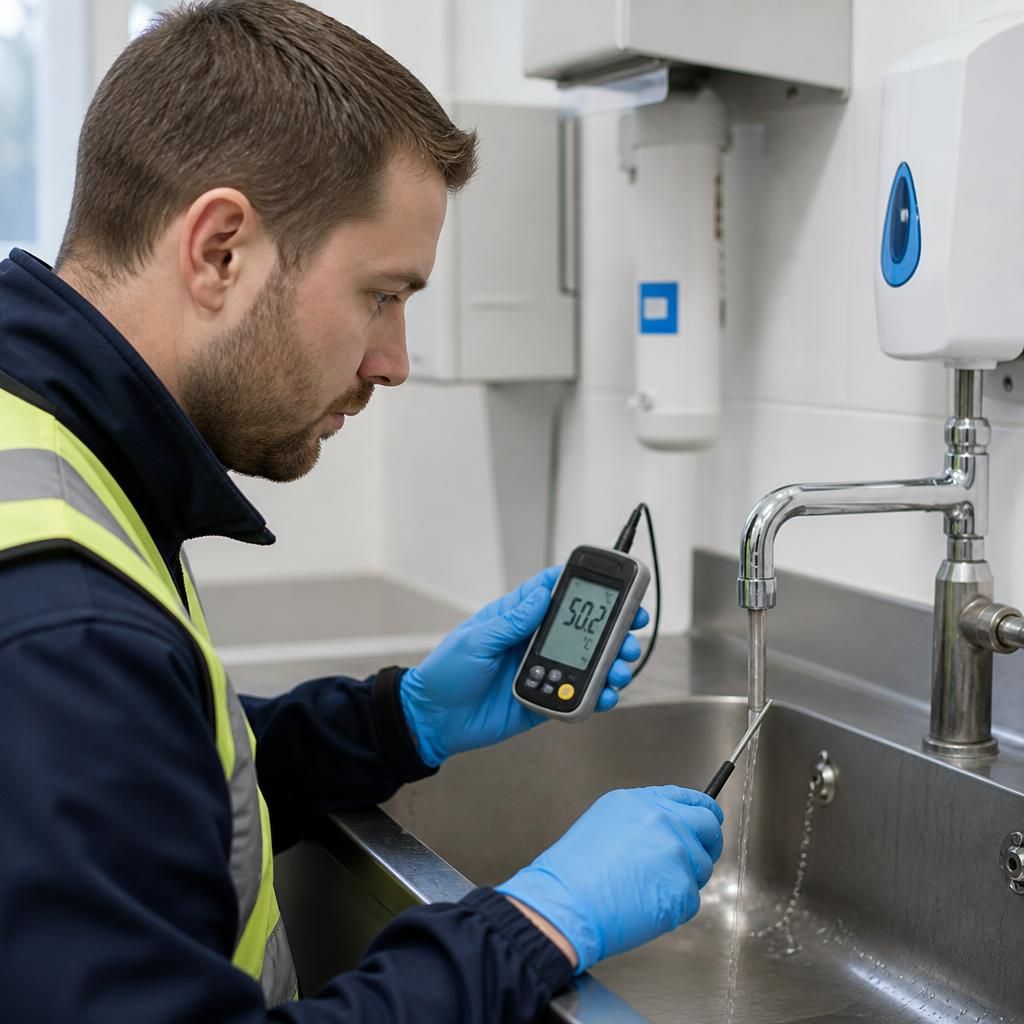
Providing accurate information before legionella prevention work begins can help limit unnecessary disruption. An up-to-date asset register, water system schematic, maintenance records and details of changes in building use allow the assessment to focus on relevant parts of the system rather than relying on broad, untargeted investigation.
The responsible person should also identify areas with restricted access, critical operations and any shared water services. This information helps separate routine checks from work that needs closer inspection, supporting a more precise plan for access and reducing avoidable interference with day-to-day business activity.
Discuss Your Legionella Prevention Requirements
Discuss your site’s operational requirements with Blue Fish Water Management Ltd to identify a proportionate approach to legionella prevention work. The conversation can clarify access arrangements, affected areas and the information needed to plan the next step.