
What happens if legionella control measures are found to be inadequate?
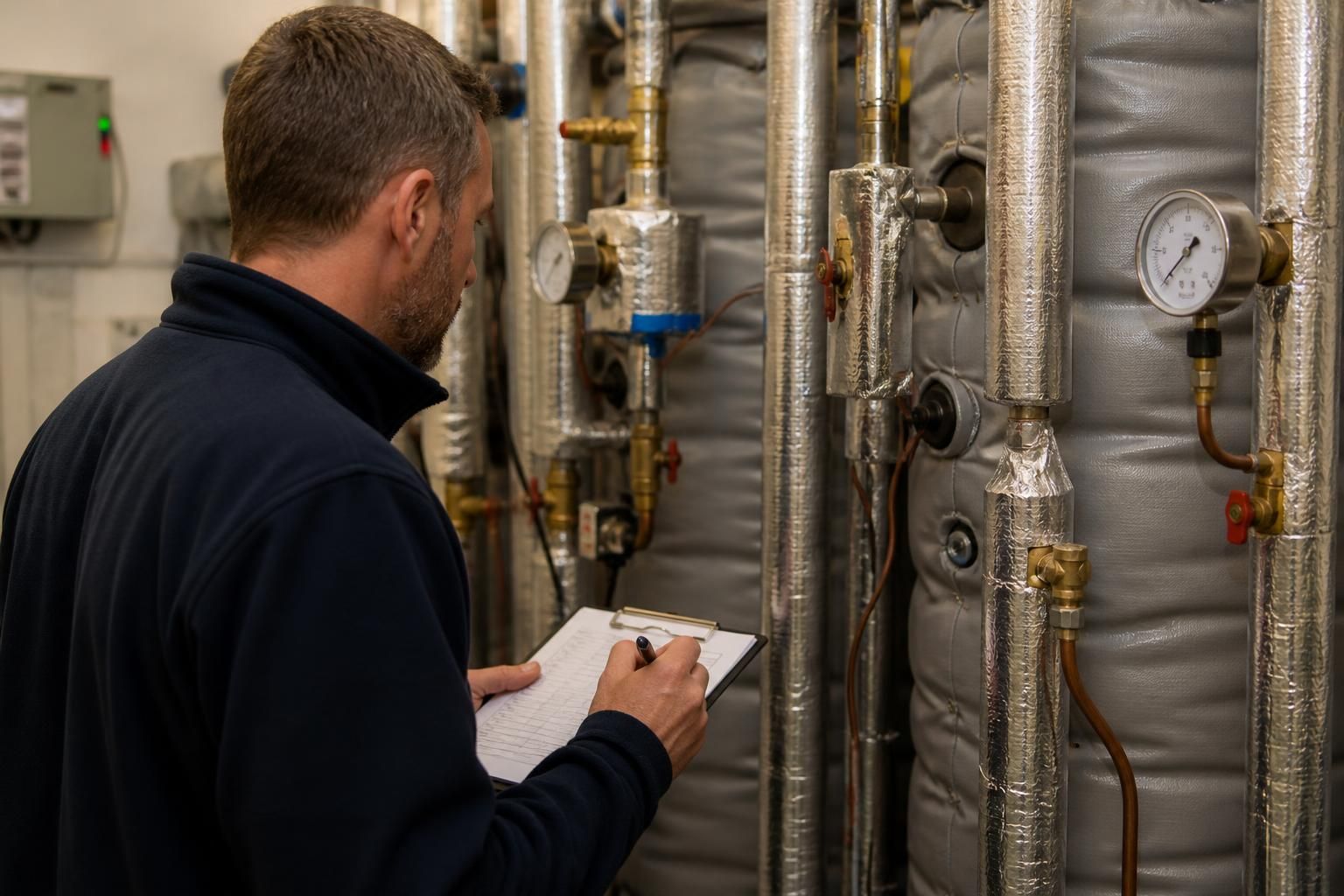
Inadequate legionella control measures indicate that a water system may not be under sufficient control to reduce the risk of exposure to Legionella bacteria. The consequences depend on the nature and severity of the weakness, but the organisation responsible for the premises must treat the finding as a compliance and health-and-safety matter, not simply as an administrative defect.
The first step is to establish what has failed. An inadequate control measure could involve an unsuitable risk assessment, unclear responsibilities, incomplete records, ineffective temperature control, insufficient inspection, poor management of little-used outlets, gaps in cleaning and disinfection, or a monitoring programme that does not reflect the system's risks. A review should distinguish between a documentation problem, a failure to carry out a required task and evidence that the water system itself may present an immediate risk.
The risk should then be prioritised. Factors commonly considered include the type and complexity of the water system, stored-water temperatures, areas of stagnation, vulnerable people who may be exposed, recent maintenance or changes to the system, and any microbiological results. A poor record does not automatically prove that the system is contaminated, while a satisfactory test result does not compensate for missing or ineffective ongoing controls. Both the physical condition of the system and the management arrangements need to be considered.
Where there may be an immediate risk of exposure, the responsible person may need to introduce interim restrictions while the situation is investigated. Depending on the circumstances, this could include taking an outlet or part of a system out of use, preventing aerosol-generating activities, providing alternative arrangements, or arranging urgent cleaning and disinfection. These decisions should be based on competent technical advice and recorded with the reason for each measure. Controls should not be altered in a way that creates a different safety risk, such as changing temperatures without considering scalding protection.
Further investigation may include:
- checking the current schematic and confirming how the system is configured;
- reviewing temperature, flushing, inspection, cleaning and maintenance records;
- examining whether control limits and monitoring frequencies are suitable;
- inspecting tanks, calorifiers, outlets, showers, strainers and other relevant components;
- taking appropriately targeted water samples where testing is justified; and
- checking that contractors and staff carrying out control tasks are competent and understand their responsibilities.
Microbiological testing can provide useful evidence, but it is not a substitute for effective management. Results need to be interpreted alongside the system design, operating conditions and exposure risk. If testing identifies Legionella, the result should be assessed by someone with suitable competence so that any response is proportionate and technically justified. Repeated or unexplained results may indicate an underlying design, operation or maintenance problem rather than an isolated event.
Non-compliance can have regulatory consequences. In Great Britain, the Health and Safety at Work etc. Act 1974, the Control of Substances Hazardous to Health Regulations 2002 and the relevant Health and Safety Executive guidance, including the Approved Code of Practice and guidance commonly referred to as L8, provide an important framework for managing legionella risks. Depending on the premises and circumstances, regulators may inspect records and systems, require information, issue improvement or prohibition notices, or pursue enforcement where health and safety duties have not been met. The precise outcome depends on the seriousness of the risk, the organisation's conduct and the evidence available.
An inadequate finding can also affect the organisation's ability to demonstrate that it has exercised suitable control. Clear evidence should show who holds responsibility, what was found, how the risk was evaluated, what temporary safeguards were used, which corrective measures were completed and how their effectiveness was verified. Records should be accurate, dated and sufficiently detailed for another competent person to understand the decisions made.
Once changes have been implemented, the system should be checked rather than assumed to be compliant. This may involve repeat inspections, additional monitoring or sampling, confirmation that temperatures and flushing arrangements are working as intended, and an update to the risk assessment or written control scheme. Staff and contractors may also need further instruction if the failure arose from unclear procedures or poor task completion.
Where the findings are complex, disputed or linked to a potentially significant exposure risk, an independent legionella specialist can help interpret the evidence and define proportionate remedial work. Blue Fish Water Management Ltd provides legionella risk assessments, UKAS-accredited water testing, compliance audits, system monitoring, training and remedial works to support organisations reviewing weaknesses in their water safety arrangements.
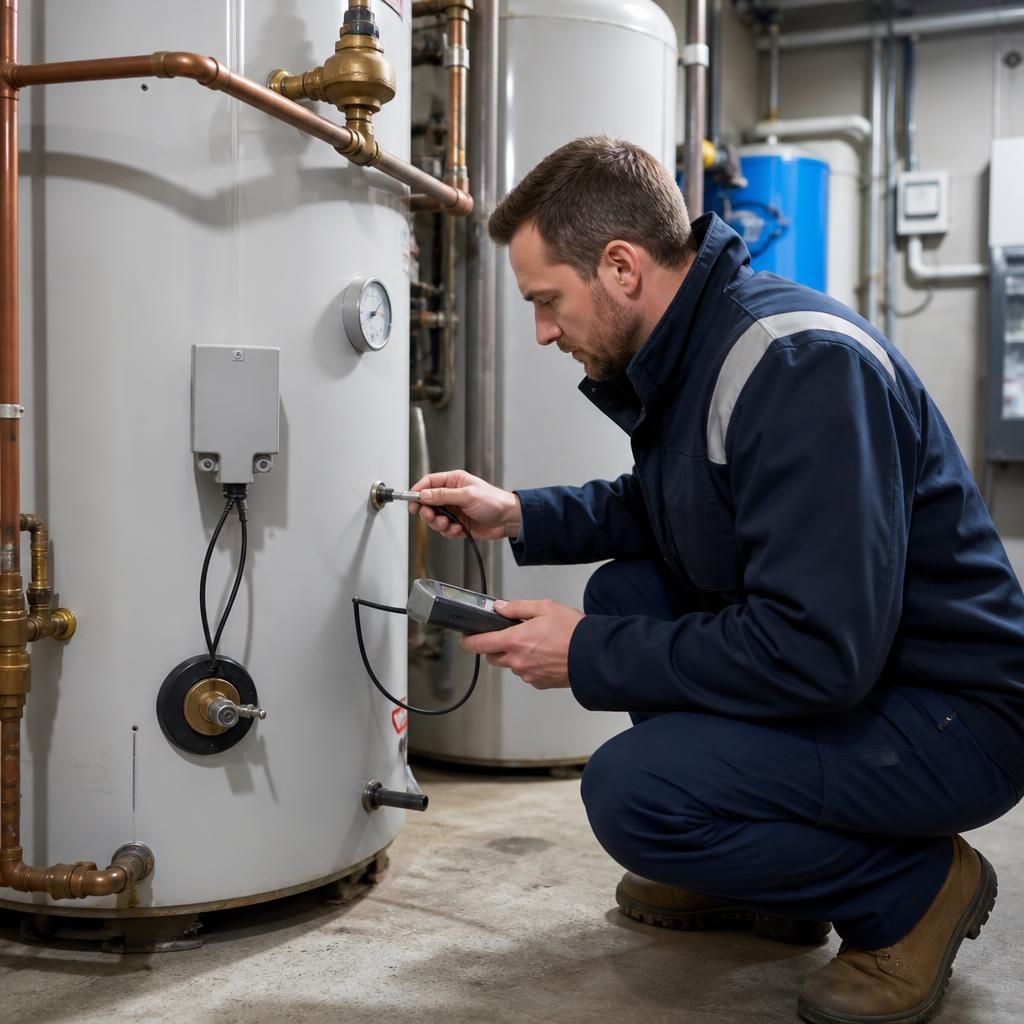
Where inadequate controls are repeated, the corrective action should address the underlying cause rather than simply recording another missed task. The review may need to examine whether responsibilities are practical, monitoring points are accessible, instructions are clear, and the control programme reflects how the system is actually used. Resolving that cause helps prevent the same weakness from recurring after the immediate finding has been closed.
Review your legionella control measures
Arrange a professional review of your legionella control measures to clarify the corrective action required and verify that improvements are effective. Blue Fish Water Management Ltd can support this process through compliance audits, water testing, system monitoring and remedial works.