
Is legionella prevention required in every water system?
Not every water system requires the same level of legionella prevention, but all systems should be considered through a suitable risk assessment. Where conditions could allow Legionella bacteria to grow and spread, the responsible person must implement proportionate control measures in line with UK health and safety requirements.
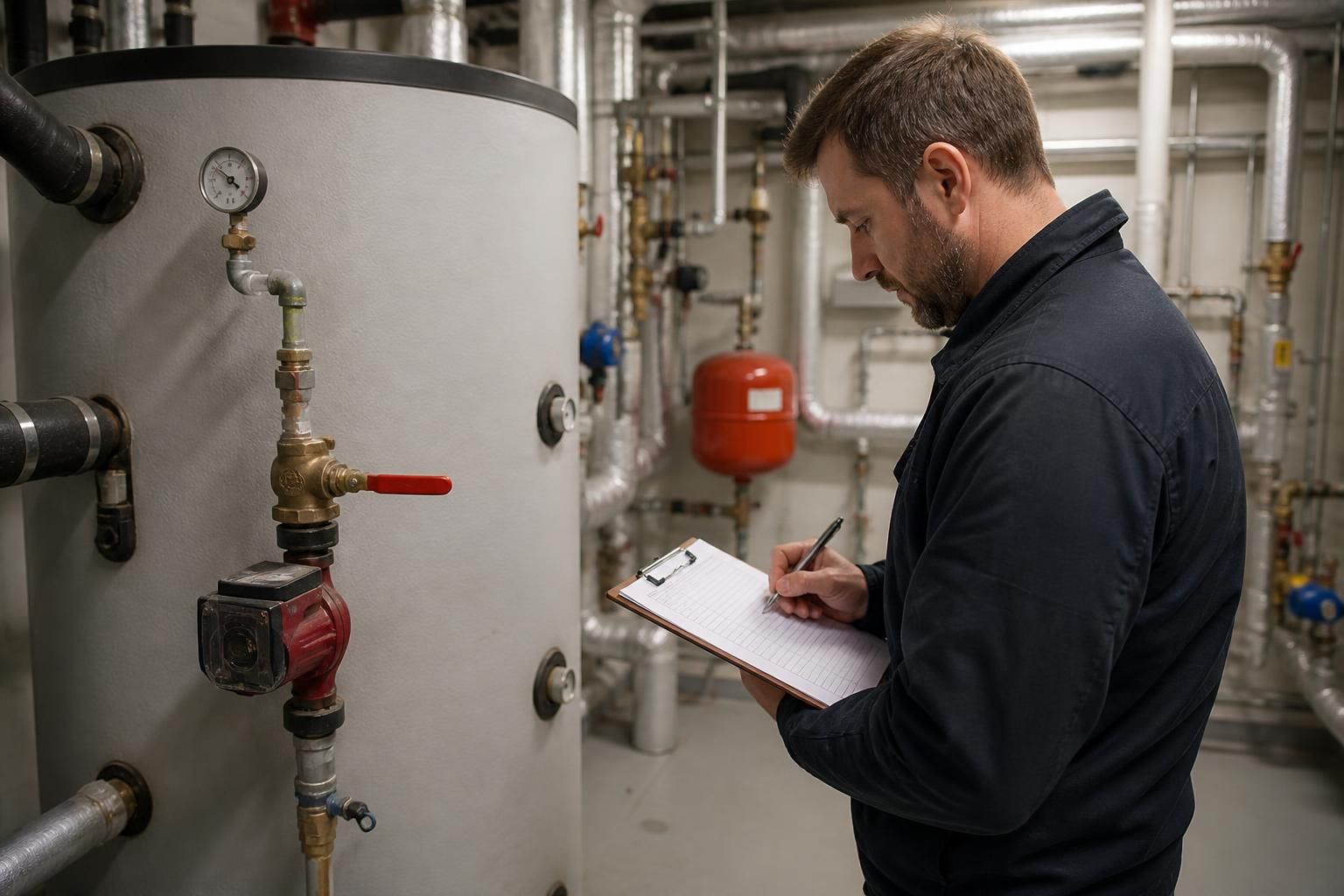
Legionella prevention is required where a water system presents a foreseeable risk of exposing people to Legionella bacteria, but the controls must be proportionate to that risk. UK health and safety law does not require every water system to receive identical treatment, and routine sampling or disinfection is not automatically necessary in every building.
The key issue is whether the system can allow Legionella to multiply and become airborne, usually through an aerosol such as fine spray or mist. A risk assessment should consider:
- water temperatures that support bacterial growth, particularly within the range of approximately 20°C to 45°C;
- stagnant or low-use areas, including redundant pipework, little-used outlets and storage tanks;
- the design, condition and complexity of the hot and cold water system;
- scale, sediment, biofilm, corrosion or other contamination that can support bacterial growth;
- equipment that produces aerosols, such as showers, spa pools, cooling towers and some industrial processes; and
- the vulnerability of people who use or may be exposed to the water system.
A simple, well-maintained domestic hot and cold water system may present a comparatively low risk. By contrast, a large building with stored water, extensive distribution pipework, multiple showers, variable occupancy or vulnerable users may need formal monitoring, documented checks, sampling and planned remedial work. The physical size of a building alone does not determine the risk.
For workplaces and other non-domestic premises, the responsible person must assess and control risks to health and safety. The relevant framework includes the Health and Safety at Work etc. Act, the Management of Health and Safety at Work Regulations and the Control of Substances Hazardous to Health Regulations. The Health and Safety Executive’s Approved Code of Practice L8 and HSG274 provide recognised guidance for managing Legionella risks. Although an Approved Code of Practice is not legislation in itself, failing to follow it may be considered when establishing whether legal duties have been met.
Responsibility normally rests with the employer, building owner, landlord, facilities manager or another person with control of the premises or water system. Duties can be shared between several parties, particularly where a building is leased, managed by a contractor or occupied by different organisations. Each party should understand its responsibilities rather than assuming that another organisation is managing the risk.
Private householders are not generally subject to the same workplace management duties for their own domestic water system. However, landlords and organisations providing residential accommodation still need to consider Legionella risks as part of their broader duties to tenants, residents, employees and visitors. The assessment should reflect the type of accommodation, the water system and the people who may be exposed.
Prevention measures should follow the findings of the assessment. Depending on the system, these may include:
- maintaining hot and cold water temperatures within suitable control parameters;
- regularly using outlets and removing or managing redundant pipework;
- cleaning and maintaining tanks, calorifiers, showers, hoses and other relevant equipment;
- checking temperatures, flow, condition and areas of low use;
- controlling scale, corrosion and contamination;
- using suitable precautions where vulnerable people may be exposed; and
- keeping records of inspections, monitoring, maintenance, incidents and corrective action.
Temperature control must be planned carefully because reducing Legionella risk can create a scalding hazard, particularly at showers, baths and care settings. Where high stored or distribution temperatures are used, suitable safeguards such as thermostatic mixing arrangements and appropriate maintenance are important.
Legionella testing is one part of a control strategy, not a substitute for managing the system. Sampling may be appropriate where the risk assessment identifies significant risk, where control measures are uncertain, after remedial work, or when an incident or suspected exposure requires investigation. A negative sample does not prove that a system will remain safe, while a positive result should be interpreted alongside temperature records, system condition and other control information.
A suitable assessment should be reviewed when the water system, building use, occupancy or management arrangements change. It should also be revisited when monitoring identifies poor control, when parts of the system have remained unused, or after refurbishment, prolonged closure or other work that may affect water hygiene. The aim is to maintain effective control rather than to apply a fixed checklist to every type of system.
Where the system is complex, the risk is significant or internal competence is limited, an appropriately competent water hygiene specialist can help with the assessment, monitoring arrangements, sampling, compliance review and remedial recommendations. Blue Fish Water Management provides legionella risk assessments, water testing and practical water hygiene support to help organisations establish controls that reflect their actual systems and legal responsibilities.
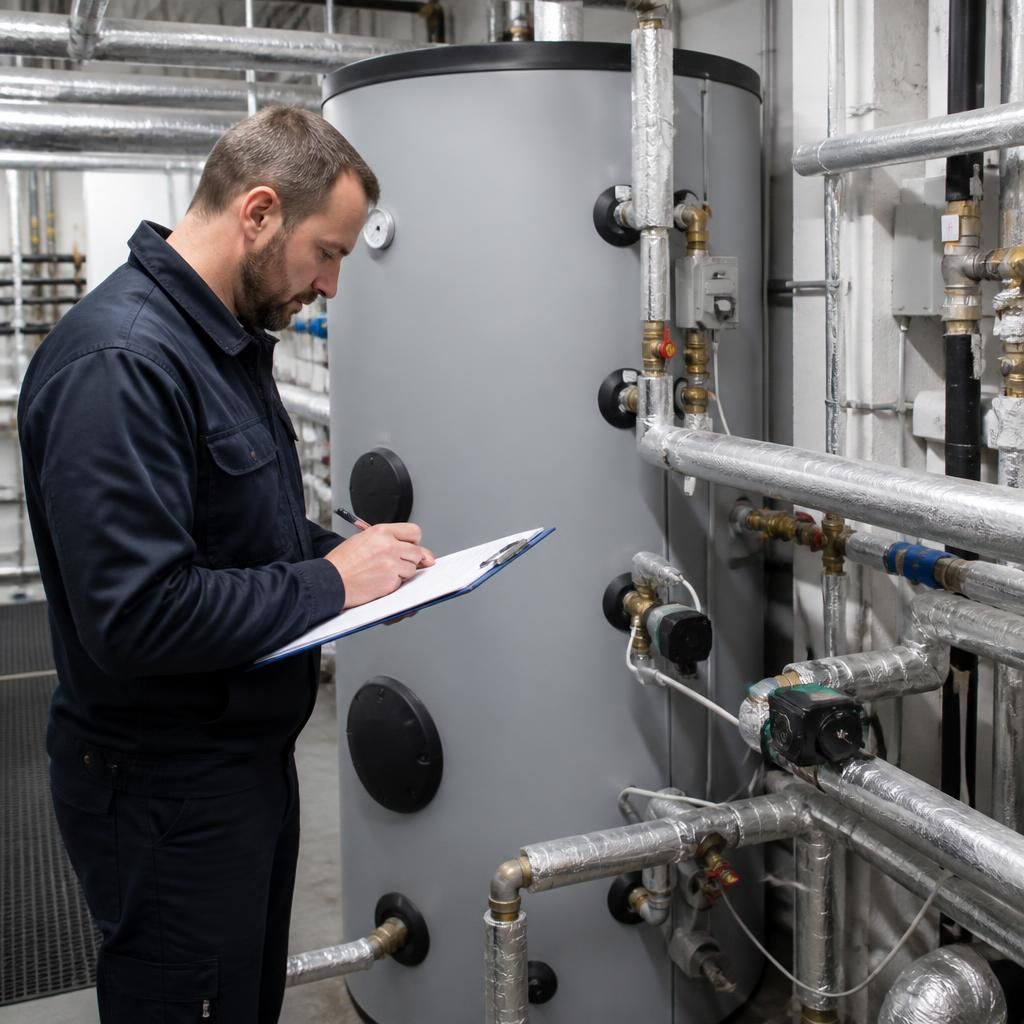
Where a water system is judged to present a low risk, the decision not to introduce routine sampling or frequent specialist intervention should still be recorded and justified. The assessment should explain how the system is used, which features limit risk, what routine checks apply and who is responsible for carrying them out.
This documented rationale helps distinguish proportionate prevention from overlooking the risk. It should be updated if the building changes use, outlets become infrequently used, equipment is added or maintenance findings indicate poorer control. In that sense, prevention is required in every system as a process of assessing and managing risk, but the resulting controls will differ between systems.
Discuss whether your water system needs legionella prevention
Contact Blue Fish Water Management to discuss the specific circumstances of your premises and identify an appropriate next step for your water system.