
Is water tank disinfection needed after a positive legionella result?
Water tank disinfection is often required after a positive Legionella result, but the appropriate action depends on the test findings, system condition and risk assessment. The wider water system should be investigated so that any contamination sources are addressed rather than treating the tank in isolation.
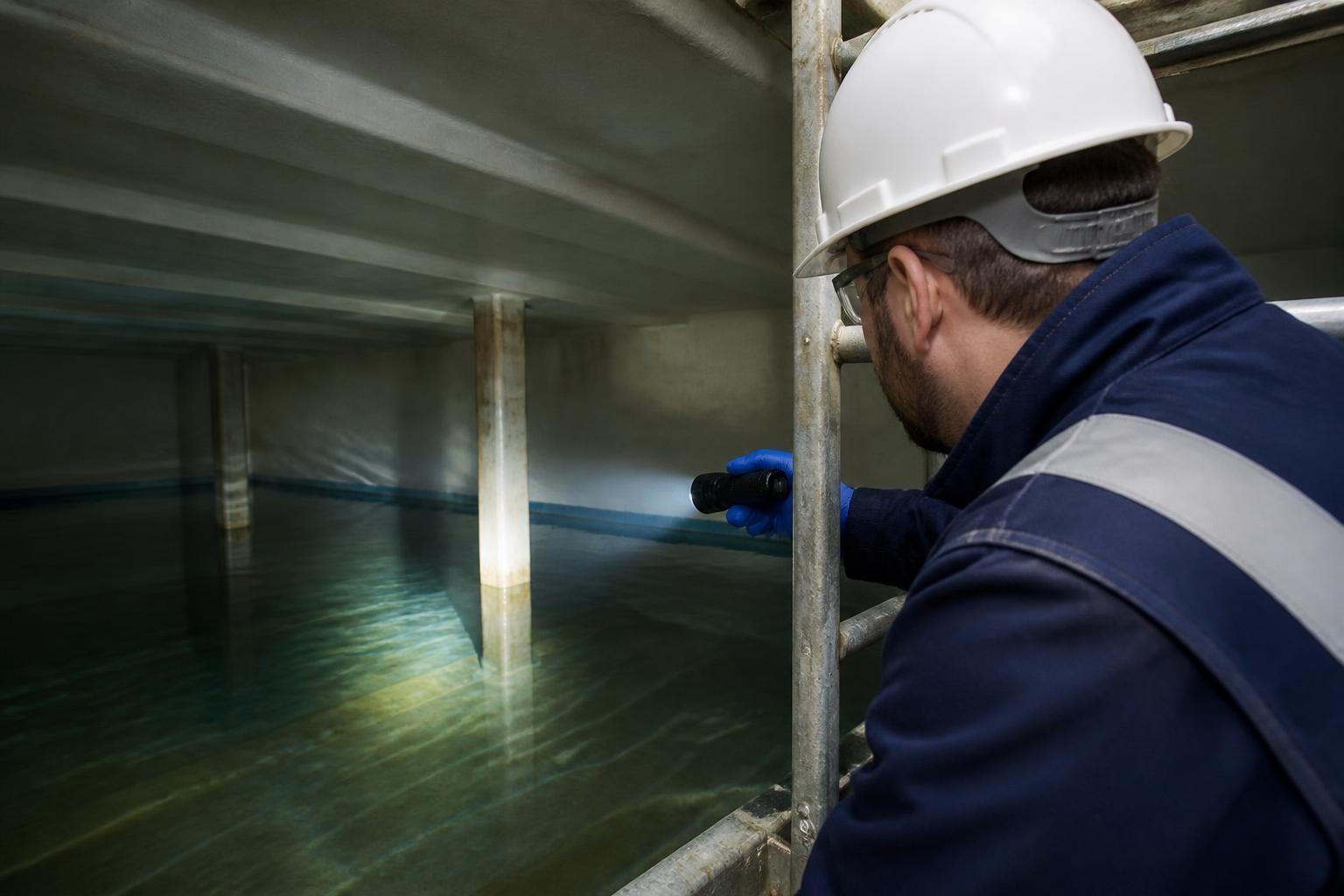
Yes, water tank disinfection may be needed after a positive Legionella result, particularly where the tank is identified as a contamination source or where conditions within the system support bacterial growth. However, a positive sample should lead to a documented review of the whole water system rather than an automatic decision to disinfect one tank without further investigation.
The significance of the result depends on factors including:
- where the sample was taken and whether it came from the tank, a distribution pipe or an outlet;
- the Legionella species and quantity detected;
- the temperature, turnover and usage pattern of the water system;
- the condition of the tank, including sediment, corrosion, scale, damaged covers or evidence of biofilm;
- the presence of vulnerable people who may be exposed; and
- whether other control failures, such as inadequate hot-water temperatures, stagnation or dead legs, have been identified.
A result from a tank sample gives a stronger indication that tank cleaning and disinfection may be appropriate. A result from a tap or shower does not necessarily mean that the tank is contaminated. The source could be elsewhere in the distribution system, or contamination may have developed between the tank and the sampling point. The sampling method, sample history and laboratory report should therefore be reviewed before selecting remedial work.
Where disinfection is required, the work normally forms part of a wider corrective action plan. This may include taking the tank out of service where practicable, removing accumulated deposits, inspecting the internal surfaces and fittings, cleaning the tank, and applying a suitable disinfectant to the relevant parts of the system. The scope should account for connected pipework, valves, pumps, outlets and other components that could retain contamination. Disinfecting only the tank may leave a continuing source of exposure if contaminated water has already entered the distribution system.
The responsible person should also consider whether temporary controls are needed while the result is being assessed or remedial work is completed. Depending on the risk, this could involve restricting particular outlets, preventing aerosol generation, providing alternative water arrangements or communicating precautions to affected users. Such measures should be based on the risk assessment and professional advice rather than applied indiscriminately.
Disinfection is not a substitute for correcting the conditions that allowed Legionella to grow. After the immediate response, the system should be reviewed for issues such as:
- cold water being stored or distributed at unsuitable temperatures;
- hot water not reaching the required control temperatures;
- low-use outlets and sections of pipework where water remains stagnant;
- poor tank insulation, damaged lids or ingress of dirt and debris;
- excessive storage capacity compared with actual demand; and
- inadequate inspection, cleaning, temperature monitoring or maintenance records.
Follow-up sampling may be advised after cleaning, disinfection and system recommissioning. The timing and locations should be determined by the risk assessment, taking account of the original positive result and the remedial work completed. A single subsequent negative result does not remove the need for ongoing monitoring and control. Results, actions, certificates, system changes and decisions should be recorded so that the responsible person can demonstrate how the risk has been managed.
Tank disinfection should be planned by a competent water hygiene professional. Incorrect chemical selection, contact time, flushing or recommissioning can damage equipment, leave unsafe residues or fail to control contamination. The work may also need to be coordinated with building operations, water users and contractors where sections of the supply must be isolated.
Blue Fish Water Management Ltd can support this process through Legionella risk assessments, UKAS-accredited water testing, system monitoring, compliance audits and remedial water hygiene work. Its advice is intended to identify the appropriate response to the result, establish whether tank disinfection is justified and help maintain effective control across the wider water system.
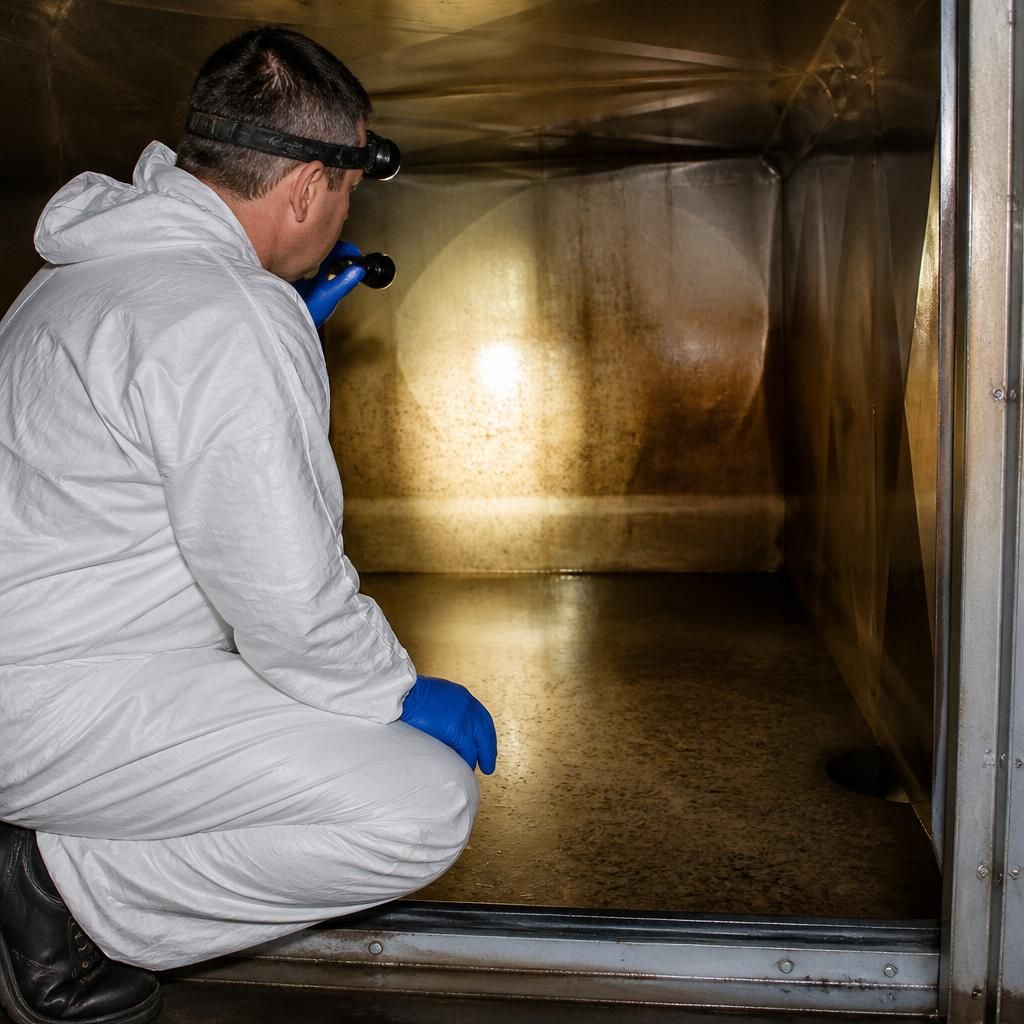
A positive Legionella water sample indicates that the bacterium has been detected in the system; it does not, by itself, confirm that anyone has become ill or identify the tank as the source. The result should therefore be treated as evidence requiring investigation, rather than as a diagnosis or an automatic instruction to disinfect every part of the installation.
Where there are concerns about possible exposure or illness, the responsible person should seek appropriate occupational health or medical advice. From a water management perspective, the priority is to establish what the result means for the system, identify any control failure and document the corrective action selected. This keeps the response proportionate while ensuring that a significant finding is not dismissed.
Get Advice After a Positive Legionella Result
Speak to Blue Fish Water Management Ltd to review the result and determine whether tank disinfection forms part of an appropriate corrective action plan.