
How long does water tank disinfection take?
Water tank disinfection can take from part of a day to several days, depending on the tank size, system complexity, disinfection method and required contact time. The overall timescale may also include draining, cleaning, flushing and post-disinfection sampling before the system is returned to normal use.
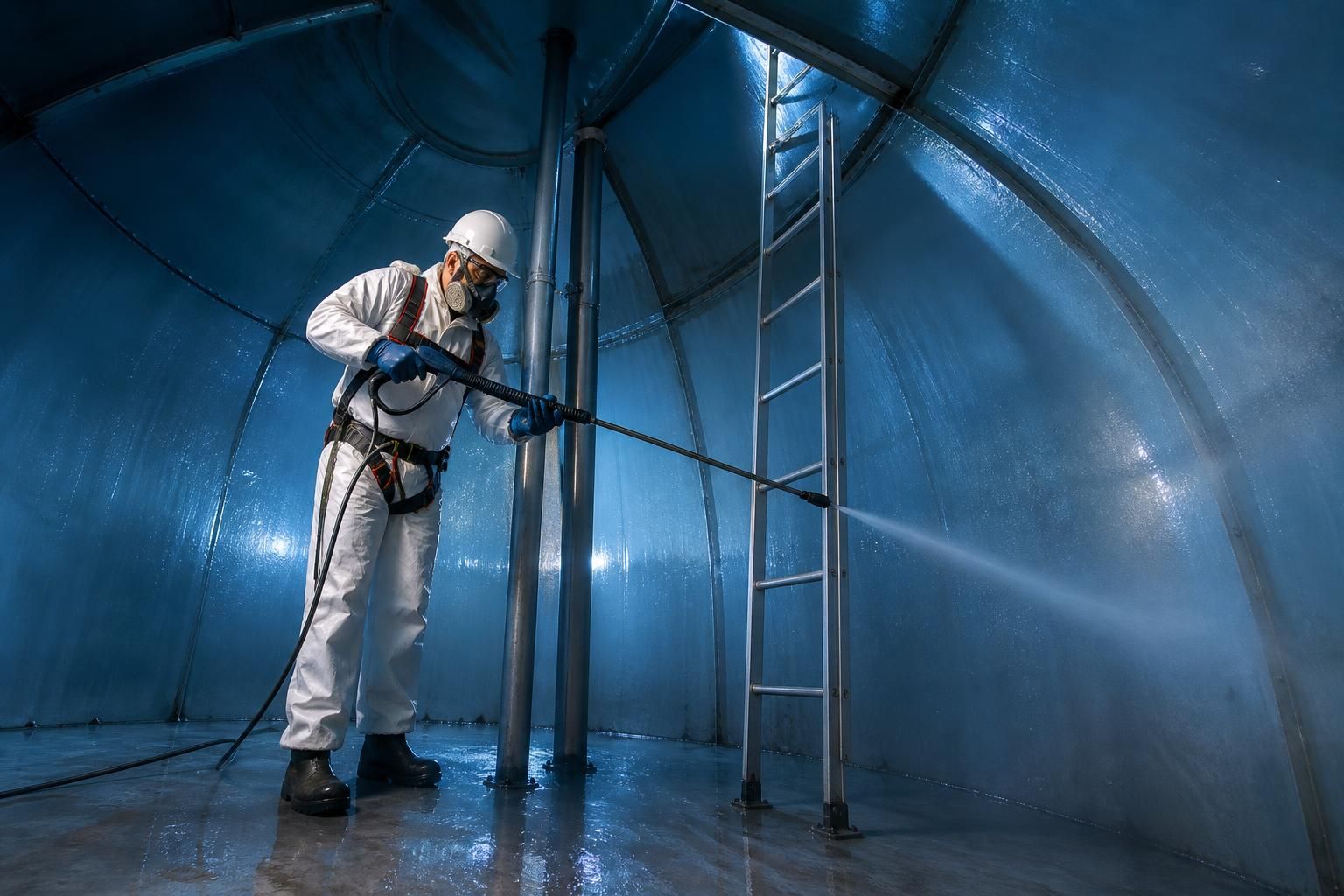
Water tank disinfection is not measured by the tank-cleaning activity alone. The time required includes preparing the system, isolating the tank, removing contamination or sediment, applying the chosen disinfectant for the required contact period, flushing the system and confirming that the water is suitable for use. A small, straightforward tank may be dealt with during a planned maintenance visit, while a larger or interconnected installation requires more coordination and testing before it can be reinstated.
The main stages affecting the timescale are:
- Assessment and preparation: The responsible person or water hygiene contractor reviews the tank, associated pipework, access arrangements, occupancy requirements and any existing risk information. Valves may need to be identified and the affected outlets taken out of service.
- Isolation and emptying: The tank and relevant parts of the water system are isolated and drained safely. The amount of stored water, the drainage arrangements and the number of connected outlets can all affect how long this takes.
- Cleaning: Sediment, scale, biofilm and other visible deposits are removed where appropriate. Cleaning may require manual access, specialist equipment or additional precautions if the tank is difficult to reach or has restricted access.
- Disinfection: The selected treatment is introduced at the required concentration and maintained for the specified contact period. This period must not be shortened simply to return the system to service sooner, because effective disinfection depends on the treatment reaching the relevant surfaces and pipework for long enough.
- Flushing and reinstatement: Treated water is removed and the system is flushed until the relevant operational and water-quality checks are satisfactory. Multiple tanks, long pipe runs, thermostatic fittings and low-use outlets may make this stage more involved.
- Verification: Checks may include disinfectant residuals, visual observations and water samples. Where laboratory analysis is required, the system may remain subject to control measures until the results have been reviewed and the responsible person is satisfied that it can return to normal use.
Tank size is only one consideration. A larger tank generally involves greater volumes to drain, clean and flush, but a small tank within a complicated building system may take longer to manage than a larger, easily isolated tank. The location of the tank, safe access, the condition of internal surfaces, the presence of sediment and the length of connected distribution pipework all influence the work plan.
The disinfection method also affects the programme. Chemical disinfection requires accurate dosing, monitoring and safe handling, while other approaches may involve different preparation, equipment or validation requirements. The correct method is selected according to the system design, the nature of the contamination, the condition of the installation and the findings of the relevant risk assessment. It is not appropriate to select a treatment solely because it appears to be the quickest option.
Contamination can extend the programme. Heavy deposits, established biofilm, dead legs, defective valves or inaccessible sections may prevent the disinfectant from reaching every part of the system. Additional cleaning, repairs or remedial work may therefore be needed before effective disinfection can be completed. If a tank is damaged, poorly covered or unsuitable for continued use, replacing or modifying it may be more appropriate than repeatedly disinfecting it.
Buildings with care responsibilities, accommodation, manufacturing processes or other critical water uses need particular planning. The affected supply may need to be isolated, alternative arrangements considered and occupants or site users informed. Businesses should also account for access permits, infection-control procedures, security requirements and coordination with facilities, engineering or production teams. These practical arrangements can influence the overall programme even when the disinfection work itself is relatively straightforward.
After treatment, the tank should not be returned to normal use solely because the chemical has been drained. The system needs to be flushed and checked in accordance with the disinfection procedure and the site’s water safety arrangements. Sampling, where required, should be carried out at appropriate points and interpreted alongside the system history and other control measures. A result that requires further investigation can lead to additional cleaning, repeat disinfection or remedial work.
For planning purposes, a contractor will usually need information such as tank capacity and location, drawings or schematics, the number of tanks, the connected outlets, recent inspection or sampling records, known legionella findings and any restrictions on isolating the supply. An assessment before the visit allows the work sequence, access requirements, safety controls, flushing arrangements and verification process to be agreed rather than estimated from tank size alone.
Blue Fish Water Management Ltd can advise on the disinfection process, associated water hygiene controls and the checks needed to support a safe return to service. For commercial and industrial sites, the completion record should document what was treated, the method used, relevant measurements, any defects identified, sampling arrangements and any further actions required under the site’s water safety plan.
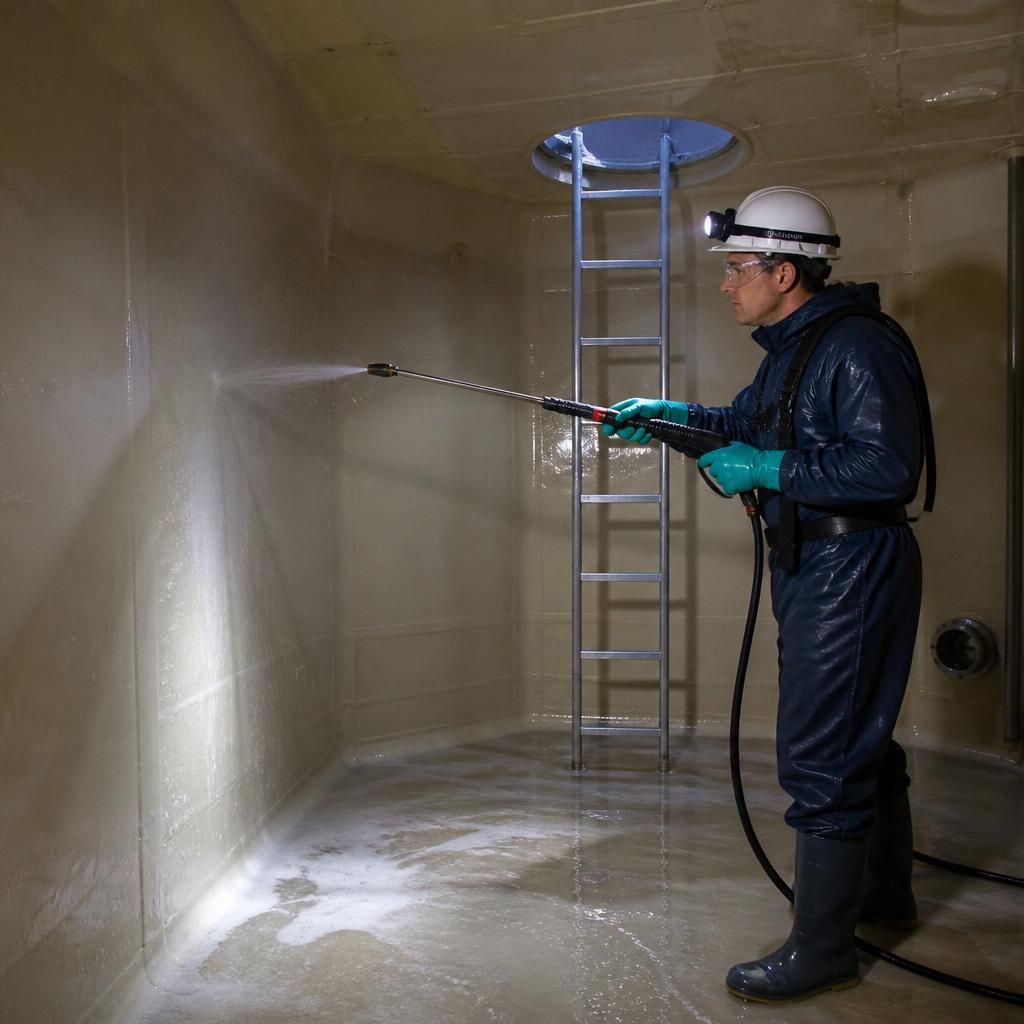
The quoted duration for water tank disinfection should distinguish between time spent on site and the full period before the system is confirmed suitable for normal use. A contractor’s estimate should state how long the affected outlets are expected to be unavailable, whether verification is included, and whether the programme depends on laboratory results.
Before work begins, ask for the assumptions behind the estimate. These may include clear access to the tank, functioning isolation valves, suitable drainage and no requirement for unexpected repairs. If those conditions change, the programme may need to be revised. A written completion record should make clear when treatment finished, what checks were undertaken and whether any follow-up action remains outstanding.
Discuss your water tank disinfection timescale
If you need to establish a suitable programme for water tank disinfection, speak to Blue Fish Water Management Ltd about your system requirements and site arrangements. We can help clarify the information needed to plan the work and support the associated water hygiene controls.