
Who can carry out a legionella risk assessment for landlords?
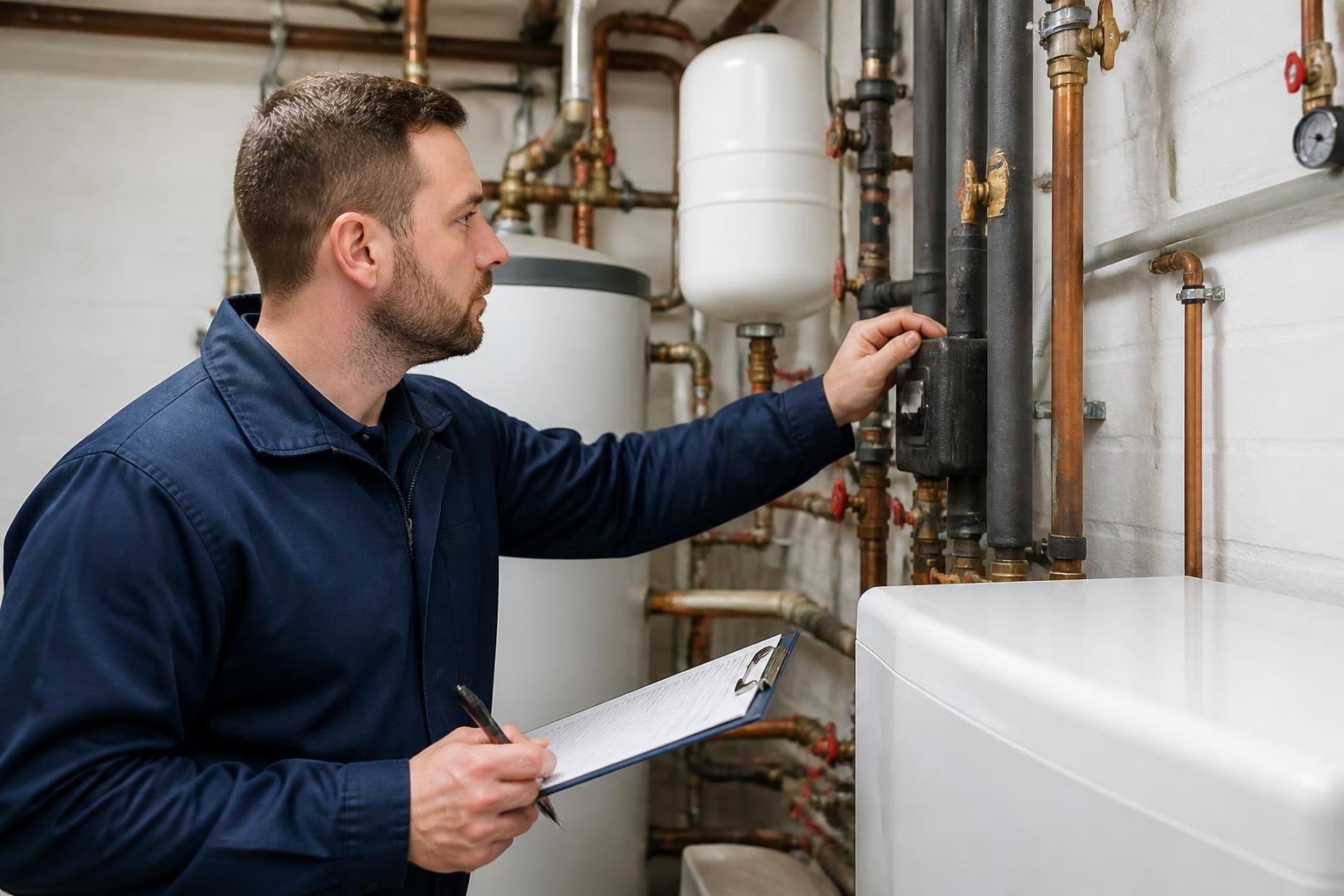
A legionella risk assessment for a rented property can be carried out by the landlord, a suitably trained employee, or an external water hygiene specialist, provided that person is competent to assess the relevant water systems and legionella risks. Competence depends on knowledge, training and practical experience, rather than simply holding a particular job title or certificate.
For a straightforward property with a conventional hot and cold water system, a landlord may be able to complete the assessment personally if they understand the principles of legionella control and can identify the relevant hazards. They should be able to examine how water is stored, heated, distributed and used, recognise conditions that could allow bacteria to multiply, and specify proportionate control measures.
A more complex property generally requires someone with broader technical experience. An independent assessor or water hygiene consultant may be appropriate where the premises contain stored water, extensive pipework, multiple outlets, showers, seldom-used areas, communal systems, thermostatic mixing valves, hot tubs or other features that make the risk less straightforward. The assessor should have experience relevant to that type of system, not merely general property management experience.
Landlords can also ask a managing agent or maintenance contractor to arrange an assessment. However, appointing another organisation does not automatically remove the landlord’s responsibility to take reasonable steps to manage health and safety risks. The person carrying out the work should be identified, and the landlord should satisfy themselves that the assessor is suitably competent for the property.
There is no universal qualification that, by itself, proves a person is competent to complete every landlord legionella assessment. When selecting an assessor, landlords should look for evidence such as:
- relevant training in legionella risk assessment and water hygiene;
- practical experience with domestic, residential or other comparable water systems;
- knowledge of current health and safety duties and recognised guidance;
- the ability to identify sources of risk and recommend suitable control measures;
- a clear written methodology and assessment report; and
- appropriate professional indemnity and public liability arrangements where relevant to the service.
A certificate showing that an individual has attended a course may be useful evidence, but it should not be treated as proof that the person can assess every type of property. The assessor should understand the limitations of their knowledge and refer complex systems to someone with the necessary technical expertise.
A suitable assessment should be specific to the property rather than based on a generic template. It will normally record the type of water system, how water is stored and heated, the condition and use of outlets, areas of low or irregular use, vulnerable occupants where relevant, and existing control measures. It should also identify who is responsible for ongoing actions and when the controls or assessment need to be reviewed.
Water sampling is not a substitute for a risk assessment. Testing may be recommended where the assessment indicates that it is useful, such as when there is evidence of contamination, an unexplained control failure or a higher-risk system. The need for sampling should be determined by the circumstances of the property and the findings of the assessment, rather than assumed for every rented home.
For ordinary rented accommodation, the appropriate assessor may therefore be the landlord or a trained person within the letting or property management organisation. Where the landlord cannot demonstrate the necessary knowledge and experience, using a specialist is the safer approach. A specialist assessment can be particularly valuable when the property has been altered, has a shared or unusual water system, or has previously identified control problems.
Landlords should retain the completed assessment and evidence of actions taken in response to it. The document should be reviewed if the water system or its use changes, if control measures are altered, if there is reason to suspect that controls are ineffective, or if new information changes the understanding of the risk. Blue Fish Water Management Ltd provides legionella risk assessment and water hygiene support for landlords and other property operators, including practical advice on monitoring and remedial action where required.
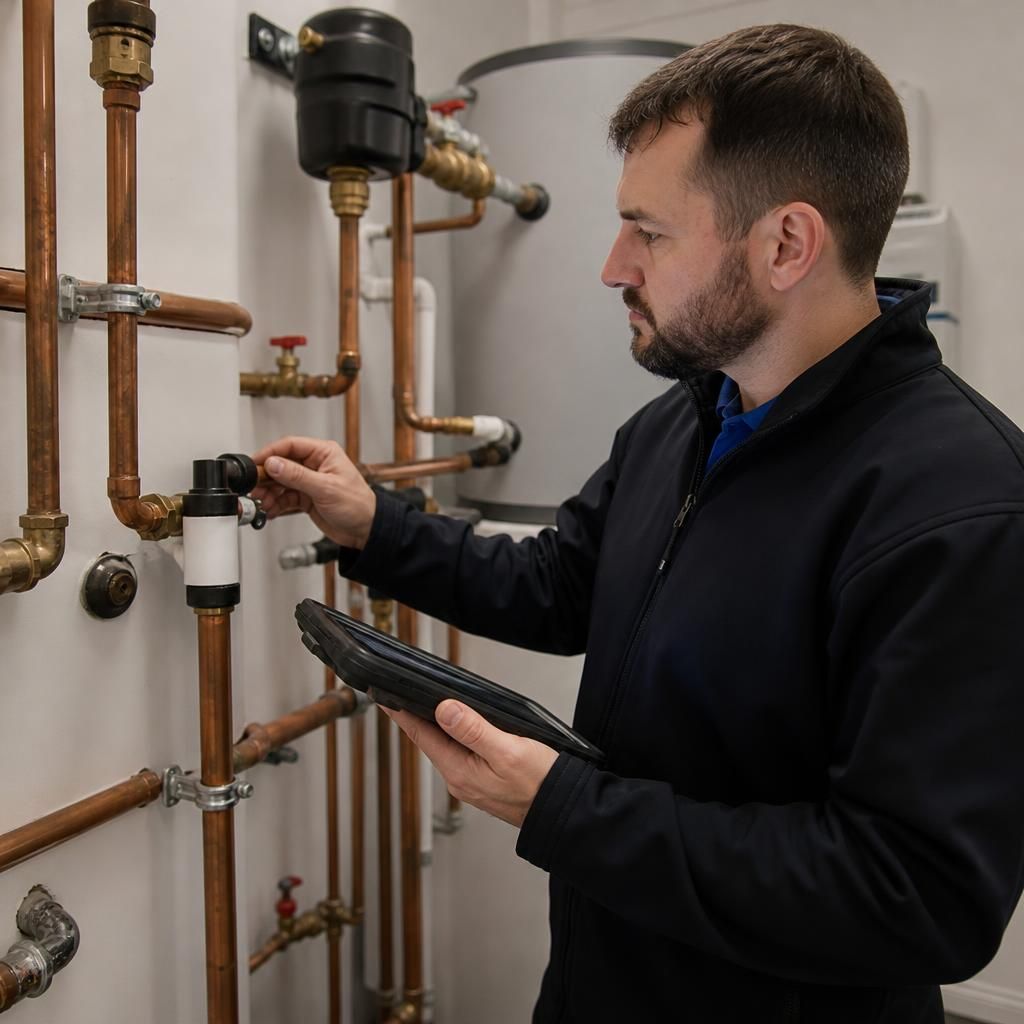
A landlord should ensure that the person carrying out the assessment can inspect the property in practice, rather than relying only on tenancy records or a remote questionnaire. The assessor may need to examine plant rooms, storage tanks, hot-water cylinders, showers, little-used outlets and areas that are not normally occupied.
Information from tenants, managing agents and maintenance staff can also help establish how the water system is actually used. Patterns such as vacant rooms, infrequently used showers or changes in occupancy may affect the assessment. An assessor who combines a physical inspection with relevant operational information is better placed to produce findings that reflect the property’s real conditions.
Arrange a Competent Legionella Risk Assessment
If you are unsure whether your own knowledge is sufficient, speak to Blue Fish Water Management Ltd about arranging a competent legionella risk assessment suited to the property and its water system.