
When should landlords arrange legionella checks?
Landlords should arrange a legionella risk assessment before a property is let and repeat checks at intervals determined by the water system’s risk. Further checks are appropriate after changes to the plumbing or occupancy, prolonged vacancy, or any suspected contamination or illness linked to the system.
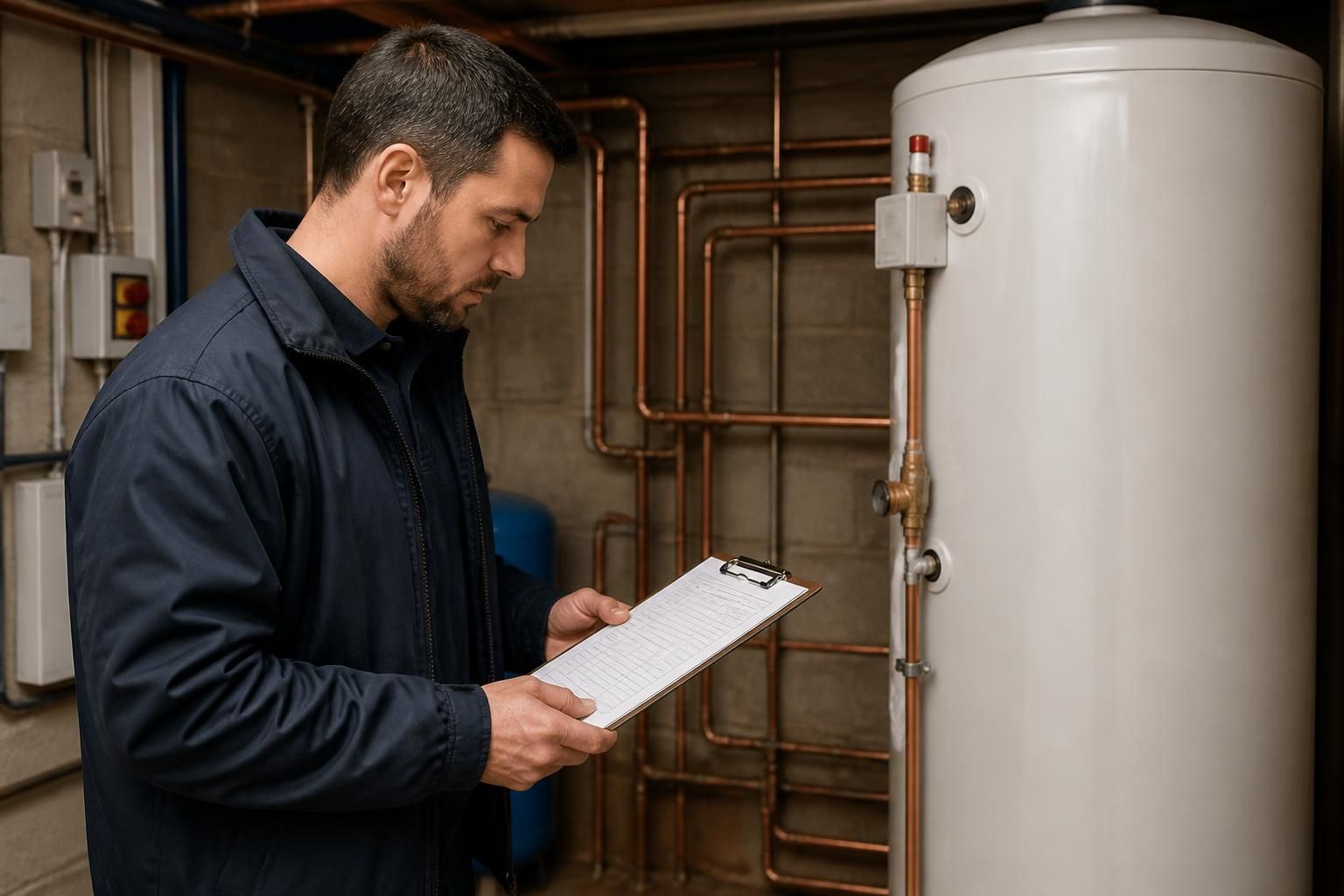
There is no single statutory calendar date that applies to every rented property. Landlords should arrange legionella checks according to the risk presented by the building’s water system, its use and the people who may be exposed. The process should be planned, recorded and reviewed whenever the information used to control the risk is no longer current.
A landlord legionella check is not necessarily a laboratory test. It may include a review of the water system, a formal risk assessment, temperature and outlet checks, examination of storage tanks and pipework, monitoring of control measures, or sampling where the assessment indicates that testing is appropriate. The right combination depends on the system rather than the property’s description as a house, flat or commercial let.
When deciding how often checks are needed, consider:
- Whether the property has stored hot or cold water, tanks, calorifiers or other equipment that can support bacterial growth.
- Whether parts of the system are used infrequently or contain redundant pipework, low-use outlets or other areas where water can stagnate.
- The number and type of occupants, including whether anyone may be more vulnerable to serious illness from legionella.
- Whether hot and cold water temperatures are being managed effectively and whether outlets, tanks and other components remain in suitable condition.
- The findings of earlier assessments, monitoring records, maintenance work and any previous water-quality concerns.
For a straightforward, well-managed system with reliable records, the competent person may conclude that routine monitoring and a periodic review are sufficient. A more complex or poorly documented system may need closer oversight, additional inspection or water sampling. A test result alone does not demonstrate that the system is safe: results need to be interpreted alongside the system design, operating conditions and control measures.
Landlords should also distinguish between a risk assessment review and a routine monitoring check. Monitoring may involve checking temperatures, flushing low-use outlets, inspecting tanks or confirming that control tasks have been completed. A review considers whether the overall assessment remains valid and whether the control scheme still reflects the property as it is being used. Both should be assigned to a person with suitable knowledge, experience and authority to identify defects and arrange corrective work.
For rented properties managed by agents, the landlord should establish who is responsible for each part of the process. A management agreement may allocate inspections or monitoring to an agent, but the landlord should still ensure that responsibilities are clear, records are retained and identified actions are completed. Contractors, agents and maintenance teams should be able to access the current assessment and understand any site-specific control measures.
It is sensible to schedule a review when a property changes hands, when responsibility for management changes, or when maintenance records reveal that a control task has not been completed. The review should examine the cause of the gap, not simply create a new document. If the system has been altered, the assessment should reflect the new layout and any effect on water flow, storage or outlet use.
Where sampling is recommended, it should be carried out by a suitably competent provider using appropriate methods. Samples should be taken from locations selected to answer a defined question about the system, rather than collected without a clear purpose. If laboratory analysis identifies legionella, the result should be assessed with reference to the system condition and exposure risk. The landlord may then need specialist advice, remedial work, further monitoring or a revised control plan.
Good records should show the date and scope of each check, the areas inspected, measurements or test results, defects found, actions allocated, completion evidence and the date or event that will trigger the next review. Keeping this information together helps demonstrate that the landlord has taken a planned approach and allows recurring problems to be identified.
Blue Fish Water Management Ltd can support landlords with legionella risk assessments, UKAS-accredited water testing, compliance audits, system monitoring and remedial works. The appropriate schedule should be based on the documented risk assessment and the actual operation of the water system, rather than an arbitrary interval applied to every property.
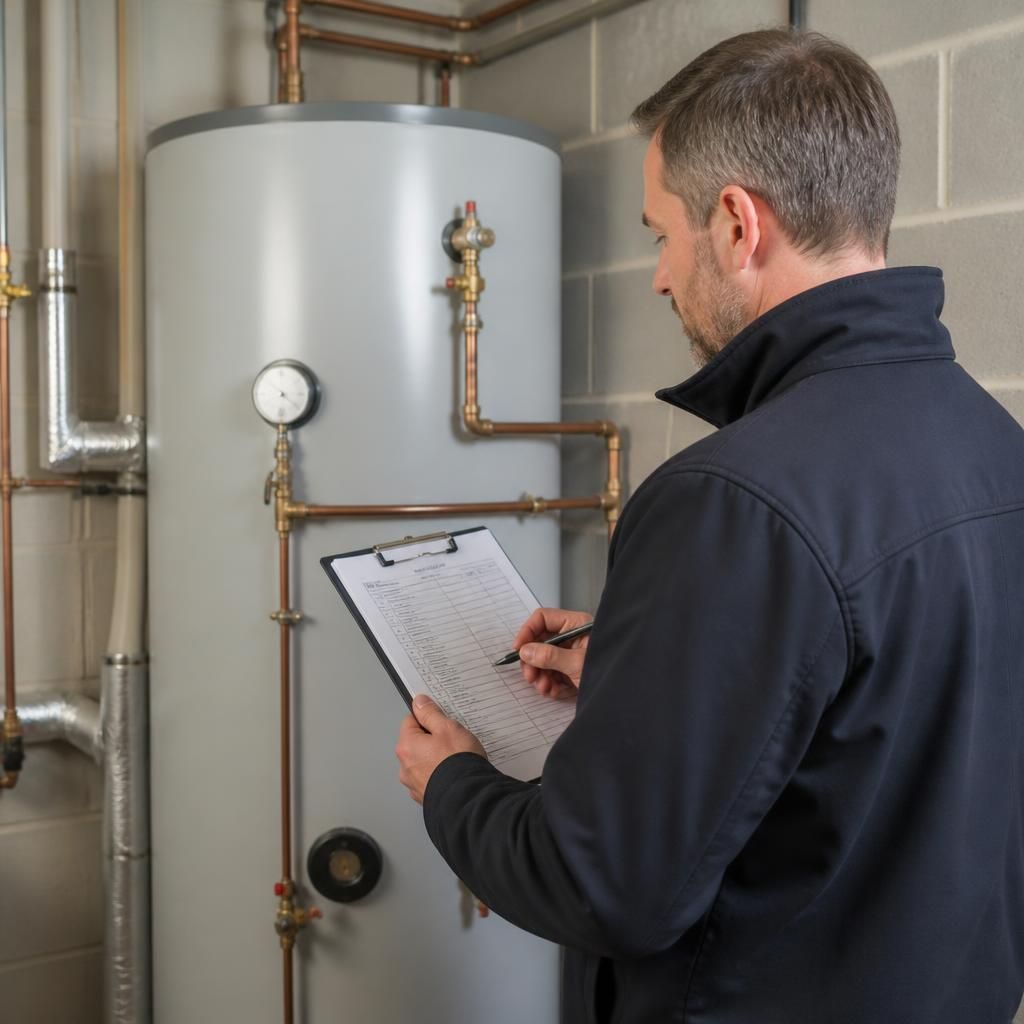
Landlords with more than one rented property should not automatically apply the same legionella check schedule to every address. Properties may differ in system design, water use, occupancy and management arrangements, so each assessment should establish its own review point and control requirements.
A portfolio schedule can still be useful for administration, provided it does not replace property-specific checks. Keep separate records for each system and bring forward an individual review where its circumstances or control history indicate a change in risk.
Discuss your landlord legionella check requirements
Discuss your property’s water system and existing records with Blue Fish Water Management Ltd to identify the appropriate next step for your landlord legionella checks.