
What happens if a landlord legionella check identifies a risk?
If a landlord legionella check identifies a risk, the findings should be assessed promptly and proportionate control measures put in place to protect tenants. This may include remedial work, changes to water-system management, further testing and a review of the risk assessment, with actions and monitoring recorded for compliance purposes.
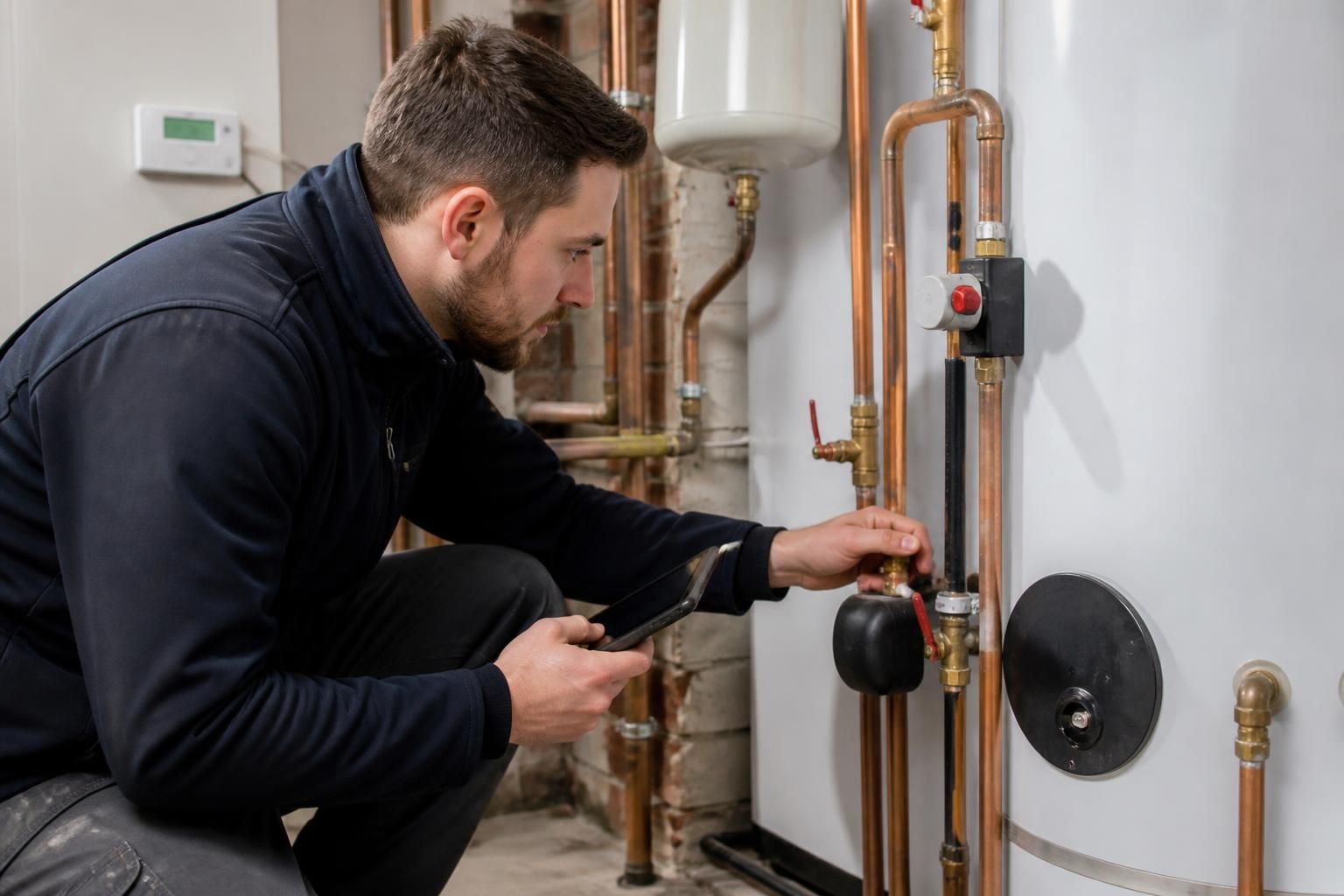
A finding of legionella risk does not automatically mean that tenants must leave or that the water system is contaminated throughout. It means the landlord must understand the nature and significance of the finding, decide what controls are necessary, and demonstrate that those controls are being managed effectively.
First, establish what the finding means. A risk assessment may identify conditions that could allow legionella to grow or spread, such as stored water at unsuitable temperatures, infrequently used outlets, redundant pipework, poor tank condition, inadequate insulation or insufficient maintenance. A water test may identify legionella bacteria in a sample, but the result must be considered alongside the type of system, sampling location, system condition and occupants' vulnerability. A single result should not be interpreted in isolation or treated as proof that every outlet presents the same level of risk.
The assessor or testing provider should explain the finding clearly and identify any limitations in the inspection or sampling. The landlord should retain the report, laboratory result and supporting information, including the outlets tested, the date of sampling and any relevant system observations. UKAS-accredited laboratory testing can provide reliable analytical evidence, but it does not replace a competent assessment of the water system as a whole.
Next, determine the level of action required. The response should be proportionate to the risk. Factors that may affect the decision include:
- the level and distribution of any bacteria detected;
- whether the system contains stored or recirculating hot water;
- the presence of low-use outlets, dead legs or areas where water can stagnate;
- water temperatures and whether thermostatic mixing valves are installed;
- the condition and cleanliness of tanks, cylinders, pipework and outlets; and
- whether anyone using the property may be particularly susceptible to Legionnaires' disease.
Where the finding indicates an immediate or significant concern, the landlord should obtain competent technical advice before relying on ordinary routine controls. The advice may include restricting use of an affected outlet, arranging cleaning and disinfection, correcting temperature or circulation problems, removing redundant pipework, repairing or replacing defective components, or taking other measures suited to the system. Any temporary restriction should be communicated clearly, with safe alternatives provided where necessary.
Common corrective measures depend on the cause rather than on the test result alone. Examples include:
- restoring hot-water storage and distribution temperatures to suitable control levels, while managing the scalding risk;
- checking that hot and cold-water pipework is properly insulated and that hot water circulates as intended;
- removing or regularly using little-used outlets and eliminating unnecessary dead legs;
- cleaning and disinfecting storage tanks, calorifiers, showers or other relevant components;
- repairing leaks, damaged lids, corrosion, scale or defects that allow contamination or stagnation; and
- introducing a flushing, temperature-checking and maintenance routine where normal use does not provide adequate turnover.
Some remedial work requires more than a straightforward maintenance visit. Alterations to pipework, disinfection of a complex system and work involving hot water can create safety risks if carried out without suitable competence and controls. The person arranging the work should ensure that the contractor understands the system, the identified hazard and any requirements for protecting occupants and workers.
Further testing may be appropriate, but it is not a substitute for control. A follow-up sample can help verify whether cleaning or other intervention has been effective, particularly where bacteria were detected or substantial remedial work was completed. However, waiting for another test while leaving an obvious system defect unresolved does not control the underlying risk. The sampling plan should be based on professional advice and should specify what is being checked, where samples will be taken and what action will follow from the result.
The risk assessment should then be reviewed. The revised document should reflect the actual system, the finding, the action taken and any remaining risk. It should identify who is responsible for routine checks, maintenance, flushing, record keeping and escalation. If the property has changed, for example through refurbishment, a change in occupancy or installation of new water equipment, those changes should also be considered. A written control scheme may be appropriate for more complicated systems.
Records should show the decision-making process rather than merely state that work was completed. Useful evidence can include the original assessment, laboratory reports, photographs, temperature and flushing records, contractor reports, cleaning or disinfection certificates, details of defects corrected, follow-up results and the date of the next review. These records help demonstrate that the landlord has identified the hazard, acted on competent advice and maintained the controls.
Tenants should receive practical information. They may need to know which outlets are temporarily unavailable, whether they should avoid using a shower or tap, how to report problems such as poor hot-water performance or prolonged vacancy, and when normal use can resume. Information should be accurate and proportionate: a risk finding is not the same as a diagnosis of Legionnaires' disease, but it should not be ignored.
Tenants can often remain in occupation where the risk is low and effective controls can be maintained, but that decision depends on the findings and the system. If essential water facilities are affected, if disinfection is taking place, or if the risk cannot be controlled safely while the property is occupied, the landlord should obtain specific advice on temporary arrangements. Any decision about restricting access or occupation should be documented.
If a landlord does not act on an identified risk, the consequences can include continuing exposure, repeated failed checks, disruption caused by emergency remedial work and difficulty demonstrating compliance with health and safety responsibilities. The appropriate response is therefore a documented, risk-based action plan supported by competent assessment, effective maintenance and review—not simply filing the report or commissioning repeated tests without addressing the cause.
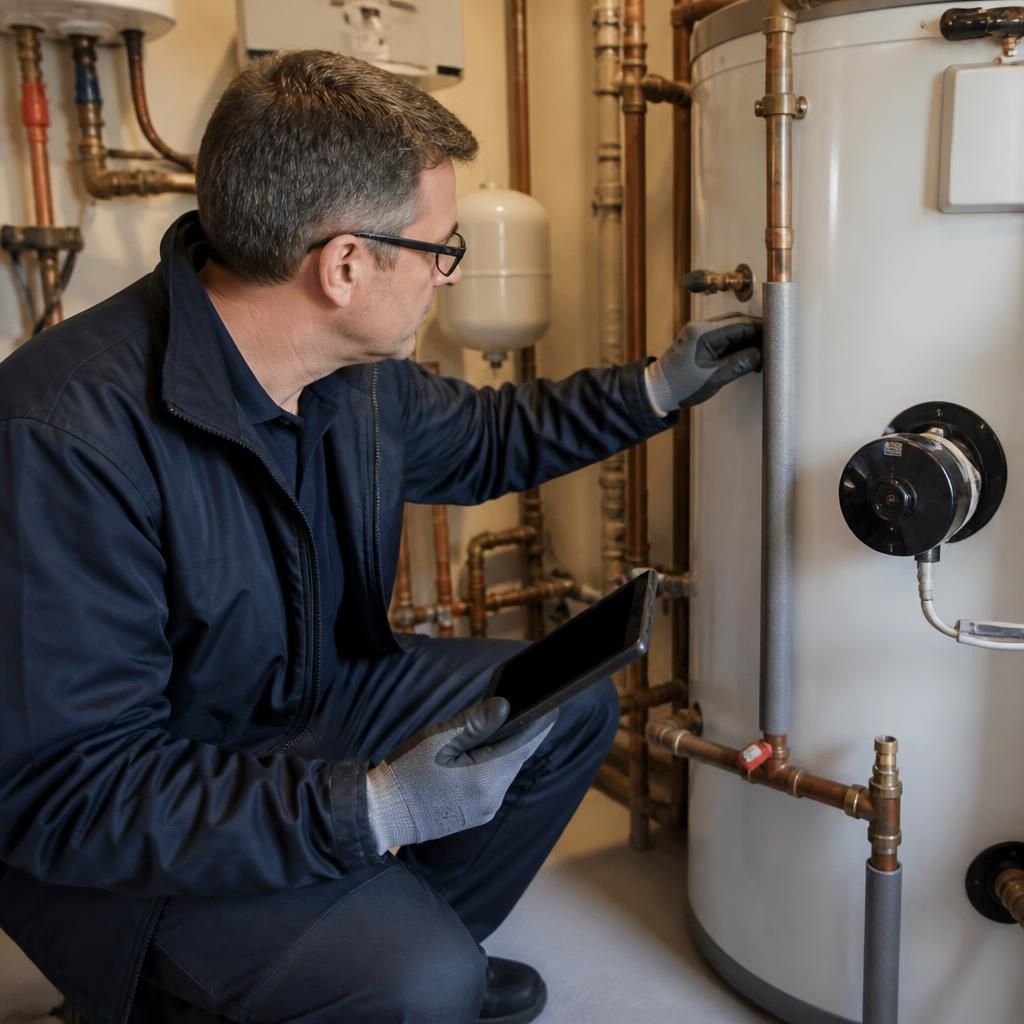
Commissioning a legionella check does not, by itself, complete the landlord’s duty to manage the identified risk. If a managing agent or contractor arranged the assessment, the landlord should confirm who is responsible for approving remedial work, arranging maintenance and checking that recommendations have been completed.
Responsibilities should be recorded clearly, particularly where several people manage the property or its water system. The landlord should review outstanding actions with the relevant parties and retain evidence that the agreed controls were implemented. This prevents an important recommendation from being left unresolved simply because responsibility was assumed to sit with someone else.
Get Advice on an Identified Legionella Risk
If a landlord legionella check has identified a risk, seek competent advice to interpret the findings and agree an appropriate action plan for the property. Blue Fish Water Management Ltd can provide practical guidance on the next steps.