
When is a legionella risk assessment required for a rented property?
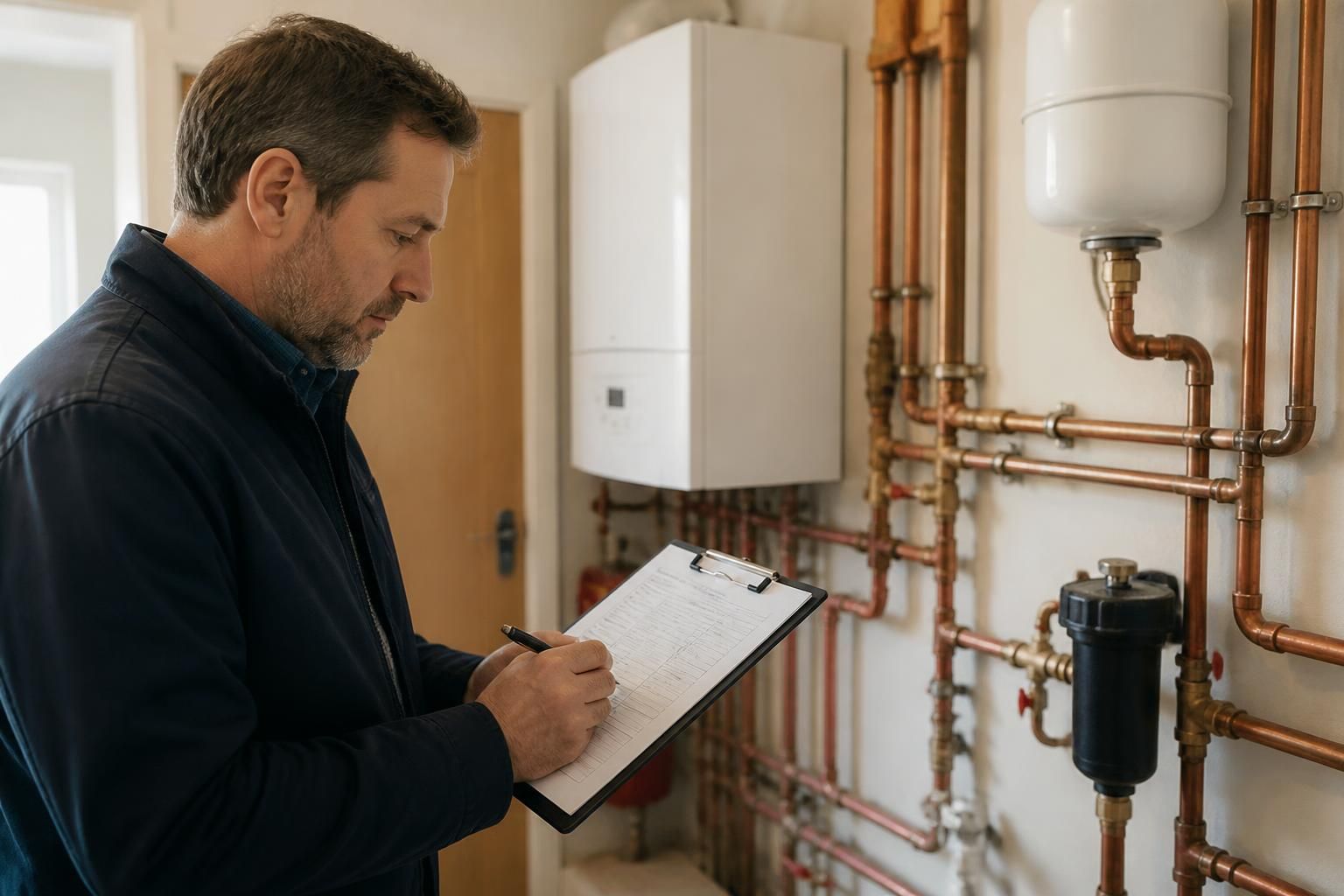
A landlord should arrange a legionella risk assessment before letting a property where its water systems may allow Legionella bacteria to grow or expose tenants, visitors or workers to contaminated water droplets. The duty is risk-based: it applies to the circumstances and systems at the property, rather than being triggered by a particular type of tenancy or a fixed inspection interval.
Situations that require closer assessment
The risk is generally greater where a property contains conditions that support bacterial growth or create aerosols for inhalation. Examples include:
- stored hot or cold water, including tanks and cisterns;
- hot-water systems that are not used regularly or cannot maintain suitable temperatures;
- long pipe runs, redundant outlets or parts of the system with little or no water flow;
- showers, spray taps, spa baths or other outlets that can generate fine water droplets;
- shared water systems in houses in multiple occupation, flats or other multi-occupancy buildings;
- void periods between tenancies, when outlets may remain unused; and
- occupants who may be more susceptible to serious illness, such as older people or those with weakened immune systems.
A straightforward, regularly occupied home supplied directly from the mains may present fewer risk factors than a property with storage tanks, complex plumbing or shared facilities. That does not remove the need to consider the system. The landlord should be able to demonstrate that the relevant hazards have been considered and that appropriate controls are in place.
When the assessment should be completed
For a new tenancy, the assessment should be completed before occupation where practicable, so that identified defects or control measures can be dealt with before tenants use the water system. It is also appropriate to assess a property when a landlord first takes responsibility for it, after significant plumbing alterations, or when responsibility for a building or shared system changes.
An existing assessment should be reviewed rather than treated as permanently valid. A review is particularly important after:
- changes to the hot or cold-water system, including replacement boilers, cylinders, tanks, showers or pipework;
- alterations that create dead legs, change water storage or affect circulation;
- a prolonged vacancy or change in how rooms and outlets are used;
- reports of unusual odours, discolouration, poor flow or inconsistent hot-water temperatures;
- evidence that monitoring, cleaning or other control measures have not been carried out;
- a confirmed or suspected case of legionellosis linked to the property; or
- changes in the occupants or the level of vulnerability that the system needs to accommodate.
There is no general rule requiring a new assessment for every tenancy or an automatic annual certificate. The review frequency should reflect the level of risk and the condition and complexity of the installation. A low-risk property may need a simpler review than a building with communal plant, multiple outlets or vulnerable occupants, but the reasoning and conclusions should still be recorded.
What the landlord must establish
The assessment should identify the water systems and outlets present, how they are used, and the routes by which people could be exposed. It should consider water temperatures, storage, flow, maintenance arrangements, periods of non-use and the competence of anyone carrying out control work. It should then set out proportionate measures, such as maintaining suitable hot-water temperatures, preventing stagnation, cleaning or flushing infrequently used outlets, and correcting defects.
The landlord should also establish who is responsible for each control. In a block of flats, for example, responsibility may be divided between a freeholder, managing agent, facilities contractor and individual landlord. A tenancy agreement or management arrangement may allocate tasks, but it does not remove the need for effective oversight. Where the landlord appoints an agent or contractor, the landlord should check that the work is suitable, completed as agreed and supported by appropriate records.
Domestic properties and more complex accommodation
For an ordinary domestic rental, the assessment may be relatively simple if the water system is uncomplicated and the risks are well controlled. More detailed assessment and ongoing monitoring may be necessary in HMOs, blocks with communal water services, properties with stored water, accommodation with shared showers or facilities, and buildings housing people who are particularly vulnerable.
Where a property forms part of a larger building, assessing the dwelling in isolation may not be sufficient. The communal cold-water storage, hot-water plant, distribution pipework and management arrangements may affect the risk within individual flats. The landlord should obtain relevant information from the person responsible for the wider system and ensure that gaps between separate responsibilities do not leave controls unmanaged.
Records and action following the assessment
A useful assessment records the systems considered, the significant findings, the control measures required, the person responsible and the dates for completion or review. Supporting evidence may include temperature checks, flushing records, cleaning and disinfection reports, maintenance information and details of remedial work. Testing is not automatically required in every rental property; it should be considered where the assessment identifies a reason for it, such as increased risk, illness, inadequate control or a complex system.
If significant risks are found, the landlord should address them and keep evidence of the action taken. Where the system is unsafe or a control measure cannot be maintained, professional water hygiene advice may be needed to determine suitable remedial work. The assessment is therefore not simply a document for a tenancy file: it should guide how the water system is managed throughout the period of responsibility.
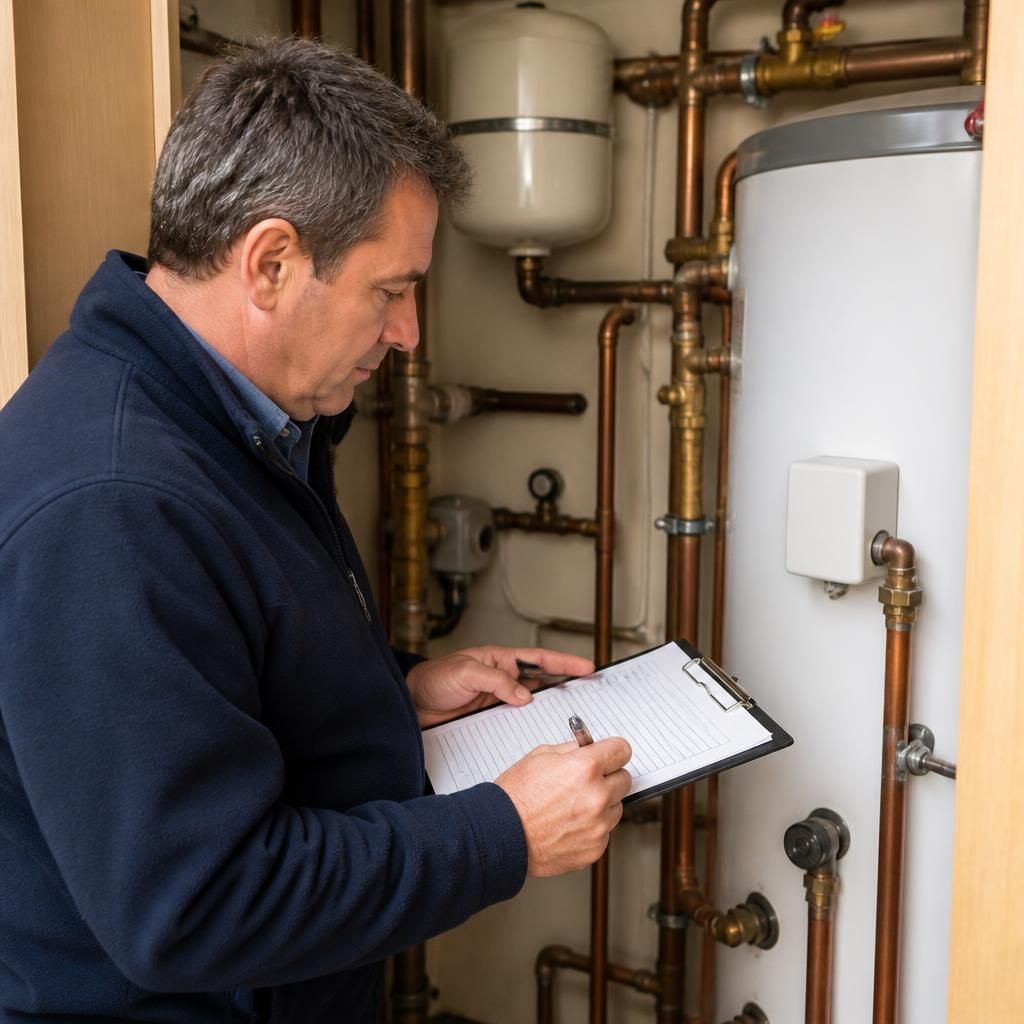
A landlord should not wait for a tenant complaint, a failed water test or a suspected illness before considering legionella risk. The assessment is a preventive measure: it determines whether the property’s water systems could expose people to Legionella and whether existing controls are adequate. A lack of previous illness or testing does not, by itself, demonstrate that the risk has been assessed.
This is particularly important where tenants may assume that a rented home has already been checked because it is legally let. The relevant question is whether the water installation and its use create a foreseeable exposure risk, not whether an incident has occurred. The landlord should therefore retain a clear rationale for the assessment’s conclusions, including why the level of inspection, monitoring or specialist input is proportionate to the property.
Get Advice on Your Rented Property’s Legionella Risk Assessment
If you are unsure whether your rented property’s existing assessment remains suitable, speak to Blue Fish Water Management about reviewing the water systems and identifying proportionate next steps.