
What does a landlord legionella risk assessment involve?
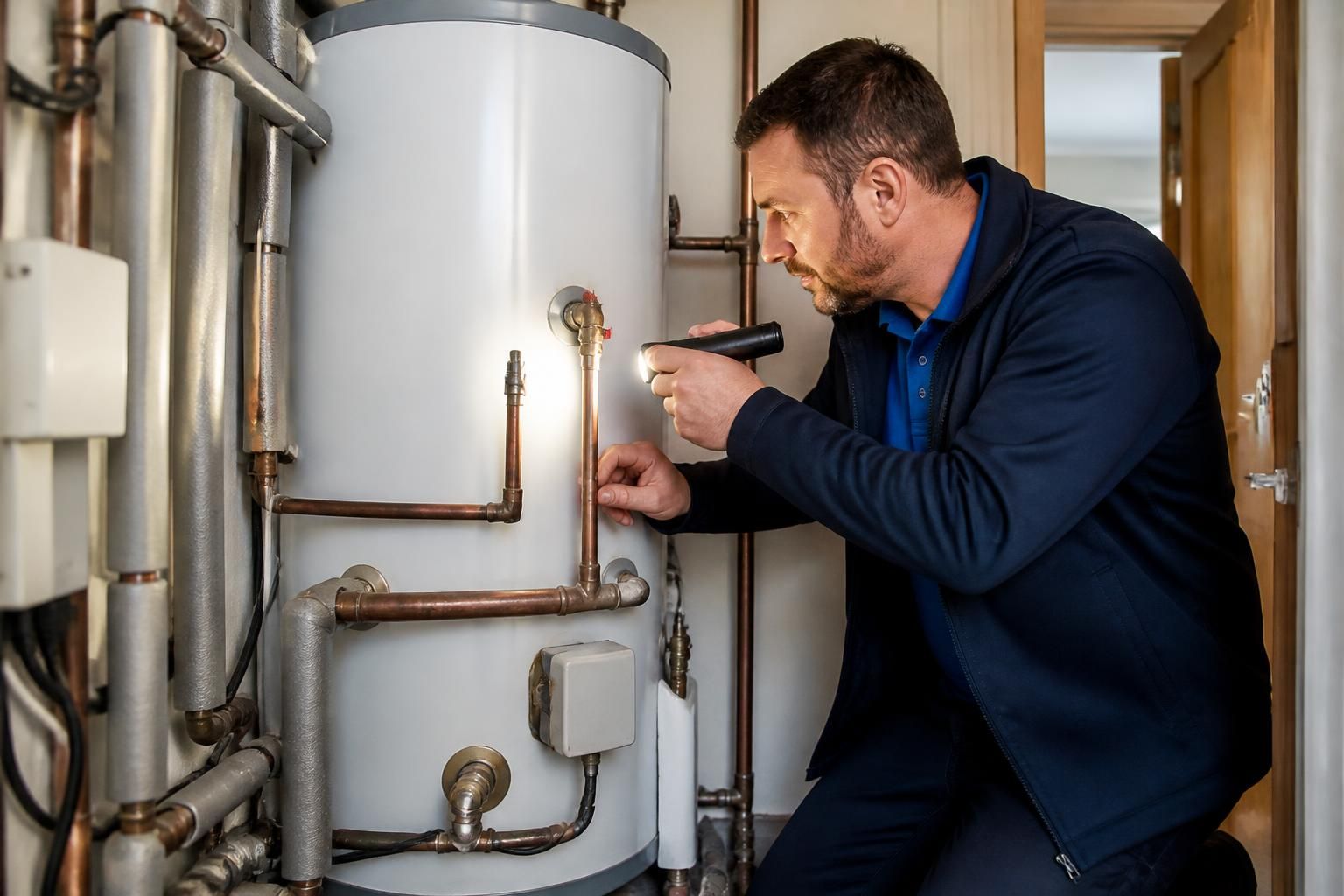
A landlord legionella risk assessment is a documented examination of how water is supplied, stored, heated and used within a rented property, together with the people who may be exposed to contaminated aerosols. The assessment should be proportionate to the building and its water systems, rather than treated as a generic certificate or a one-off water test.
It normally begins with a review of the property and its occupants. The assessor establishes the building’s use, age, layout and occupancy, then considers whether tenants, visitors, contractors or other users could be exposed. Particular attention may be needed where residents are older, have reduced immunity or are otherwise more vulnerable to infection. In a block of flats or a building with shared facilities, the assessment should distinguish between communal systems and systems located within individual dwellings.
The water system is then traced from source to outlets. This can include the incoming mains supply, cold-water storage cisterns, hot-water cylinders, calorifiers, distribution pipework, showers, baths, taps and less frequently used outlets. The assessor may need to inspect plant rooms, roof spaces, voids and other areas that are not immediately visible. Complex installations, long pipe runs, multiple occupancy units and outlets supplied by separate systems require a more detailed review than a simple dwelling with a straightforward mains-fed arrangement.
Key conditions considered during the assessment include:
- water temperatures that may support bacterial multiplication;
- stored or stagnant water and sections of pipework with little or no use;
- dead legs, redundant outlets, low-flow areas and oversized storage;
- poorly maintained tanks, cylinders, showers, hoses, strainers and other components;
- inadequate insulation, heat loss or defects that allow cold water to warm up;
- cross-connections or other design features that could affect water safety; and
- the condition, accessibility and cleanliness of relevant equipment.
The assessor also examines how the system is managed in practice. This includes asking who carries out routine flushing, temperature checks, cleaning, maintenance and remedial work, and whether those tasks are recorded consistently. A written procedure may be needed for outlets that are used infrequently, properties that remain vacant between tenancies, showerheads and hoses, or changes made during refurbishment. Responsibility should be assigned clearly rather than left as an informal assumption between a landlord, managing agent, maintenance contractor and tenant.
An assessment is not automatically the same as legionella sampling. The first step is to understand the system and its risks. Water testing may be appropriate where the findings, system complexity, history of contamination or specific circumstances justify it, but a laboratory result does not replace effective control measures. Where samples are taken, they should be collected and interpreted within a suitable testing process, with follow-up action based on the result and the wider condition of the system.
The written report should explain the basis of the conclusions in enough detail for the landlord or dutyholder to act on them. It commonly includes a description of the installation, identified hazards, existing precautions, people at risk, recommended improvements, priorities and responsibilities. It should also state how control measures will be checked and when the assessment should be revisited. Photographs, system schematics, temperature records or sampling results may be useful supporting evidence where relevant.
The outcome is an action plan, not simply a risk rating. Recommendations might include removing redundant pipework, improving insulation, repairing or cleaning storage equipment, adjusting temperature controls, servicing outlets, introducing routine monitoring or arranging further investigation. Any measure must be suitable for the property and balanced against other safety considerations, including the risk of scalding from hot water. Actions should be tracked to completion, with evidence retained.
Landlords should keep the assessment and associated records with other property compliance information, making them available to those responsible for managing the premises and to relevant contractors. The findings should be reviewed when there is a material change, such as alterations to the water system, a change in use or occupancy, prolonged vacancy, evidence of control failure or a known case of legionellosis. Even without a major change, periodic review helps confirm that the documented arrangements still reflect the system in operation.
For properties with straightforward plumbing, the process may be relatively limited. Shared accommodation, blocks with communal hot-water systems, care-related settings and buildings with complex plant generally need a more structured assessment and clearer ongoing management. A competent assessor should therefore consider the actual installation, explain the reasoning behind the recommendations and produce records that support the landlord’s continuing water hygiene duties.
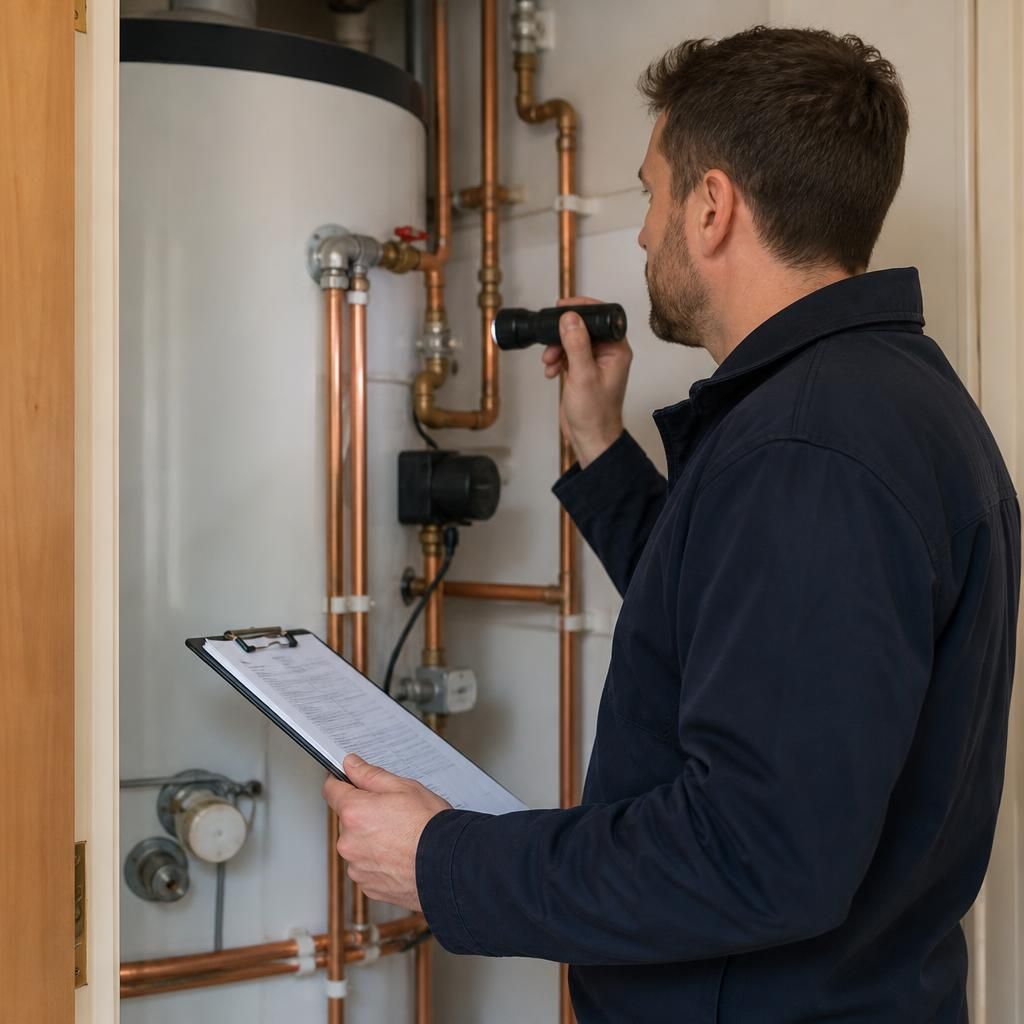
A landlord legionella risk assessment also involves gathering information that may not be apparent from a visual inspection. The assessor may need access to all relevant rooms, plant areas and outlets, together with details of previous maintenance, alterations, known faults, periods of vacancy and any complaints about the water system.
Before the visit, the landlord or managing agent should identify:
- who has access to the property and its water-system components;
- whether any outlets, rooms or dwellings cannot be inspected;
- what servicing, cleaning or repairs have already been carried out;
- whether the building has undergone refurbishment or changes in occupancy; and
- which contractors or staff currently perform water hygiene tasks.
These details help the assessor distinguish an isolated defect from a wider management issue. If part of the installation cannot be accessed, that limitation should be recorded in the report, along with any further inspection needed. A landlord should not treat an assessment as complete if important sections of the system remain unknown.
Discuss your landlord legionella risk assessment
If you need to clarify the scope of a landlord legionella risk assessment or interpret recommendations already made, discuss your property and water system with Blue Fish Water Management Ltd. Their team can help identify the appropriate next step based on the building’s specific arrangements.