
Can tenants remain in occupation during landlord legionella checks?
Tenants can usually remain in occupation while a landlord’s legionella checks are carried out, provided the assessment or inspection can be completed safely and without disrupting essential services. The landlord should arrange access to relevant areas with the tenant, explain what will happen and make alternative arrangements if testing or remedial work creates a safety risk.
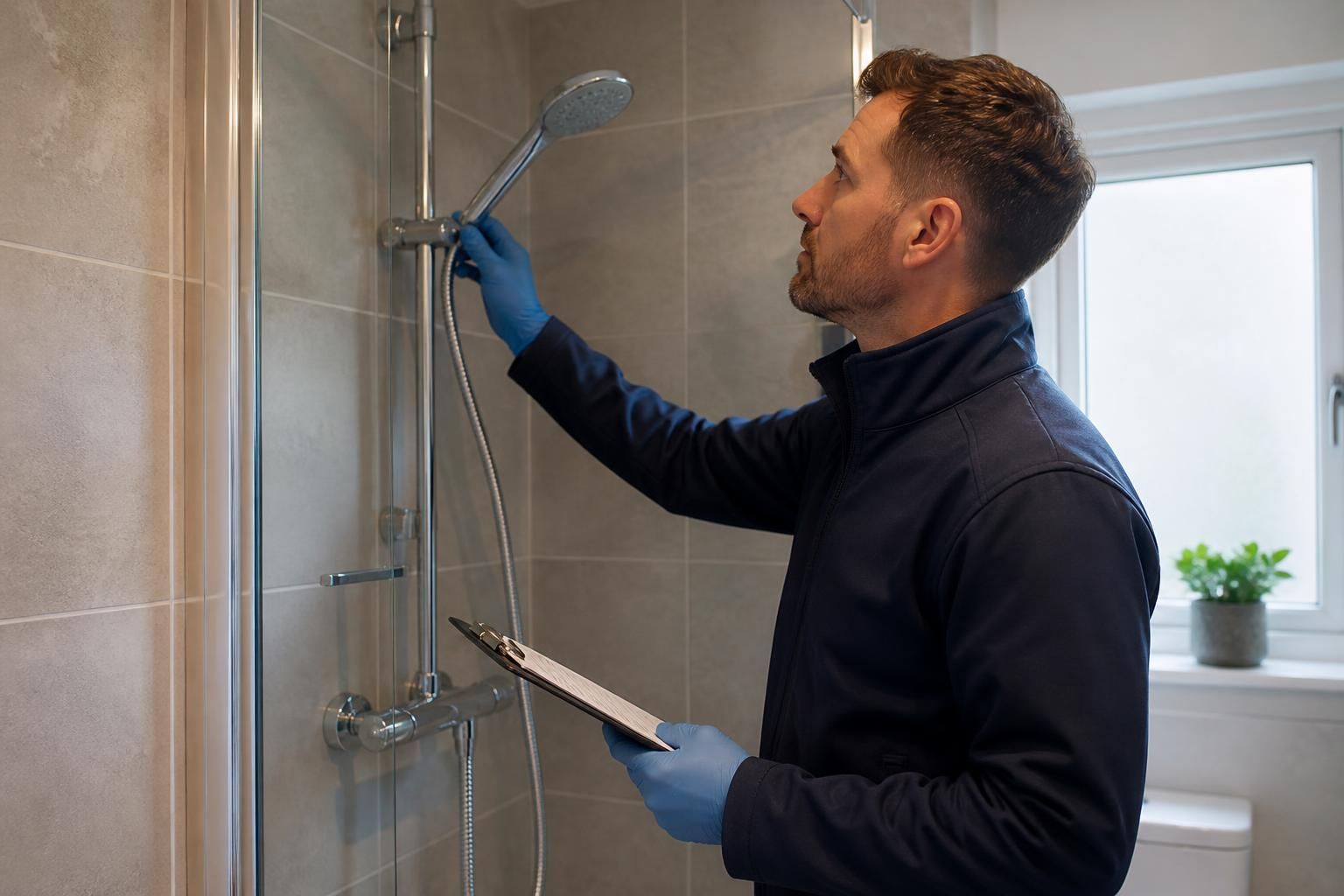
In most cases, tenants do not need to move out while a landlord’s legionella assessment or routine water hygiene inspection takes place. These activities are normally observational and investigative: a competent assessor reviews the water system, speaks with relevant occupants or responsible people, examines outlets and plant, and may take samples. Continued occupation is generally appropriate where the work does not expose tenants to a hazard or prevent them from using essential facilities safely.
What tenants may need to do
The landlord should explain the purpose and likely scope of the visit before access is requested. Tenants may need to provide access to taps, showers, toilets, boilers, tanks, cupboards, plant rooms or other parts of the water system. In a rented property, access arrangements should respect the tenancy agreement and applicable legal requirements. The assessor should not enter private areas without suitable permission or agreed arrangements, except where a separate legal basis applies.
Tenants may also be asked about how the property is used. Information such as periods when rooms are unoccupied, rarely used outlets, changes to occupancy and recurring issues with hot or cold water can help the assessor understand the system. This information is relevant because infrequently used outlets and changes in water use can affect the risk assessment.
When temporary restrictions may be necessary
Remaining in occupation may not be suitable for every stage of water safety work. Temporary restrictions, controlled access or alternative arrangements may be needed where the work involves:
- Disinfection or remedial treatment of parts of the water system;
- Flushing outlets that could produce aerosols, particularly where people could be exposed directly;
- Work on tanks, boilers, pipework, pumps or other equipment in areas used by tenants;
- Isolation of the water supply, hot water system or sanitary facilities;
- Unsafe temperatures, contamination or another condition requiring immediate control;
- Access to confined, restricted or otherwise hazardous areas; or
- Major repairs that create risks from heat, chemicals, electrical equipment, wet floors or building works.
These circumstances do not automatically mean that the whole property must be vacated. The appropriate control may instead be to keep tenants away from a particular room, outlet or work area, suspend use of a shower or tap, provide safe alternative facilities, or arrange temporary accommodation where the risk cannot be controlled in place. The decision should follow the findings of the risk assessment and the method statement for the proposed work.
Assessment, sampling and remedial work are different
A risk assessment is primarily a review of the system, its management and the factors that could allow legionella bacteria to grow and spread. Routine sampling may involve taking water from selected outlets for laboratory analysis, but sampling alone does not normally require tenants to leave. Remedial work is more variable. Cleaning, disinfection, replacement of components or changes to temperature controls may affect water availability or create short-term risks that require additional precautions.
Tenants should be told before any work that could affect their water supply or access to bathing and washing facilities. Instructions may include avoiding a particular outlet, not using water during a specified operation, or running an outlet for a controlled period afterwards. The landlord or contractor should make the instructions clear, identify who is responsible for issuing them and confirm when normal use can resume.
Responsibilities where tenants remain in the property
The landlord remains responsible for managing the risks associated with the water system under their control. This includes arranging a suitable assessment, acting on significant findings and keeping appropriate records of inspections, testing and remedial action. A tenant’s presence does not remove that responsibility, and tenants should not be expected to carry out technical controls themselves unless they have been given clear, suitable instructions.
Landlords should also consider the circumstances of the occupants. Children, older people, people with respiratory conditions and anyone with a weakened immune system may require additional consideration when work could produce aerosols, involve chemicals or temporarily affect washing facilities. Relevant information should be considered as part of the practical arrangements without sharing unnecessary personal details.
If a visit identifies a potential risk, the assessor should explain what has been found and what action is recommended. Not every finding requires immediate evacuation, but a serious or uncontrolled risk should not be left while the property remains in normal use. Blue Fish Water Management Ltd can support landlords with risk assessments, water testing, compliance reviews, monitoring and remedial recommendations, helping determine whether work can proceed while tenants remain safely in occupation.
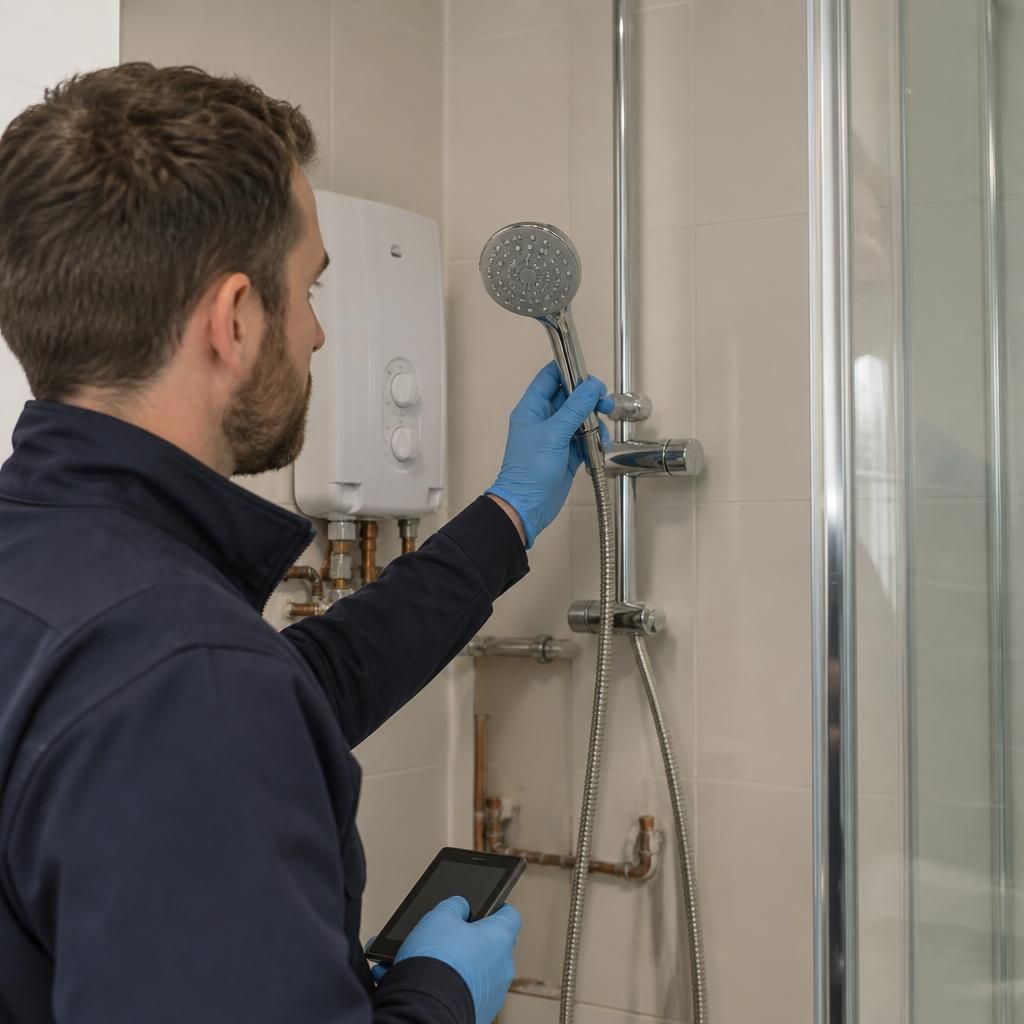
In a property with several tenants or shared water services, occupation can usually continue while checks take place, but the landlord must coordinate access and communication across the building. Shared tanks, plant rooms, risers and communal outlets may affect more than one dwelling, so arrangements should cover every tenant who could be affected by the inspection or any subsequent work.
Where access to one flat or outlet is unavailable, the assessor should record the limitation and explain whether it affects the reliability of the findings. Tenants should receive clear instructions about any shared facilities that must not be used, while the landlord should ensure that restrictions are communicated consistently rather than relying on one occupant to pass them on.
Discuss Your Landlord Legionella Check Requirements
Discuss your property’s requirements with Blue Fish Water Management Ltd to determine the appropriate legionella assessment and controls for occupied rented premises.