
Are legionella checks for landlords required in every rented property?
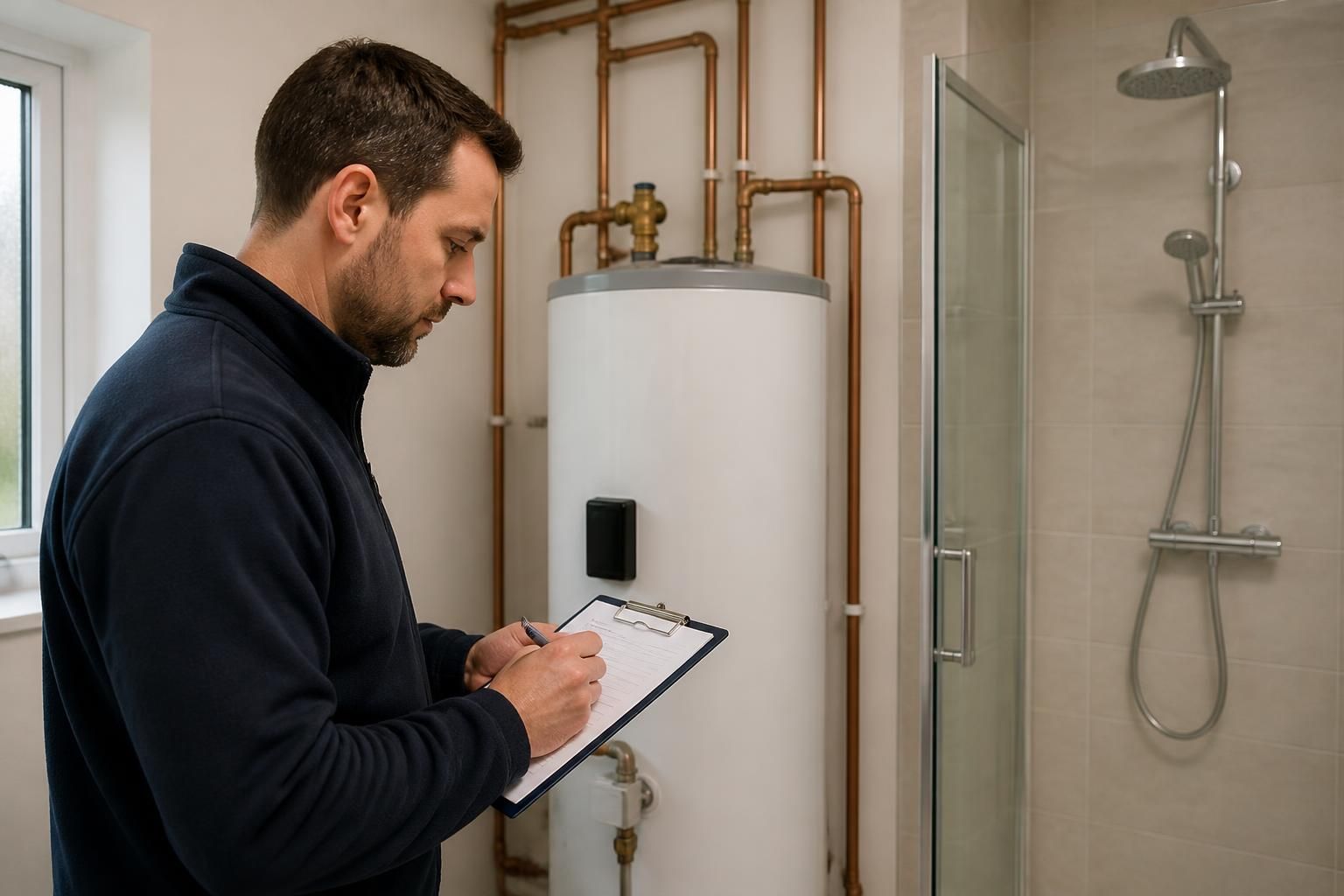
There is no blanket legal requirement for a separate legionella test at every rented property. The relevant duty is to identify and manage any reasonably foreseeable risk from the property’s water systems. Whether sampling, further investigation or specialist control measures are needed depends on the system, how it is used and the people who may be exposed.
What landlords are expected to do
Landlords who have control over rented premises or their water systems should take a proportionate approach to legionella risk management. This normally involves:
- understanding how hot and cold water systems are designed and used;
- identifying conditions that could allow legionella bacteria to multiply, such as stored water, low circulation, stagnation or unsuitable temperatures;
- considering how tenants, visitors and workers could be exposed to contaminated water droplets;
- assessing whether anyone using the property may be particularly susceptible to serious illness; and
- putting appropriate control measures in place, with arrangements to monitor and review them.
For a straightforward house or flat with a simple mains-fed water system, the risk may be low and the necessary assessment may be relatively simple. That does not remove the landlord’s responsibility to consider the risk. It means that the level of assessment and control should reflect the actual circumstances rather than automatically involving laboratory sampling.
When a rented property may require closer attention
More detailed assessment may be appropriate where the property contains stored hot or cold water, large or complex distribution systems, infrequently used outlets, showers, spa facilities or other features that create aerosol. Risk can also increase in buildings with communal water systems, multiple occupants, void periods, irregular water use or a history of temperature or maintenance problems.
The occupants are relevant as well as the plumbing. Accommodation used by older people, people with weakened immune systems or those with certain underlying health conditions may require a more cautious approach. Landlords should also consider whether tenants understand how to use outlets regularly and report problems such as persistently lukewarm water, unusual changes in flow or outlets that have not been used for a long period.
Testing is not the same as a risk assessment
A laboratory water sample provides information about the sample taken at a particular time and location. It does not, by itself, demonstrate that the whole system is safe or replace an assessment of how the system is operated. Conversely, routine sampling may add little value where a competent assessment shows that the system is simple, well maintained and unlikely to support legionella growth.
Sampling may be considered where the risk assessment identifies uncertainty or a specific reason to investigate, including persistent control problems, unusual system design, suspected contamination or a higher-risk population. Where samples are taken, they should be collected and interpreted through a suitable competent process, using a laboratory with appropriate accreditation for the relevant water testing.
Records and review
Landlords should keep a clear record of the assessment, identified risks, control measures, maintenance and any follow-up actions. The record should be understandable to anyone responsible for managing the property and should show who is responsible for carrying out checks or remedial work.
The assessment should be reviewed when the water system or its use changes, after significant maintenance or refurbishment, when a property has been vacant, if control measures are not working as intended, or when information indicates that the risk has changed. A fixed calendar interval is not a substitute for reviewing relevant changes, although regular planned checks may be sensible for ongoing management.
Different types of rented accommodation
A single-occupancy property with a conventional hot water cylinder may need a different control plan from a house in multiple occupation, a block with communal services, supported accommodation or premises containing specialised water systems. The legal question is therefore not simply whether the address is rented. It is whether the landlord has assessed the systems and arrangements at that property and taken controls proportionate to the identified risk.
Where the system is complex or the outcome of an initial review is uncertain, a landlord can obtain advice from a competent water hygiene professional. Blue Fish Water Management Ltd can support landlords and property managers with legionella risk assessments, water testing where justified, compliance reviews and remedial recommendations tailored to the system under consideration.
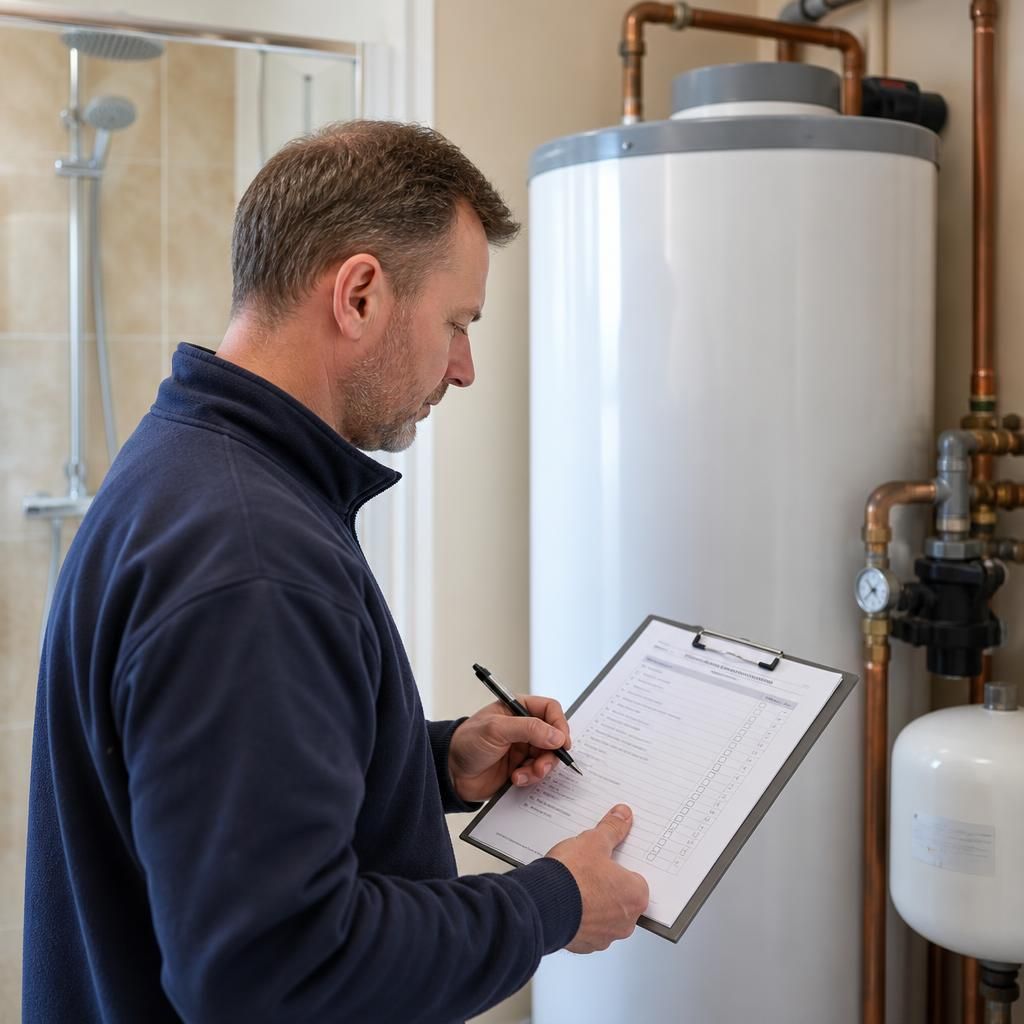
Whether a rented property needs legionella checks depends partly on who controls its water systems, not simply on the fact that it is rented. A landlord should establish who is responsible for equipment such as water heaters, storage tanks, pumps, communal pipework and outlets before deciding what assessment or monitoring is appropriate.
Responsibility may be shared between a landlord, managing agent, freeholder, facilities contractor and tenant. A tenancy or management agreement can allocate practical tasks, but it should be clear who will identify risks, arrange maintenance, record findings and act on problems. Where several parties are involved, landlords should confirm that responsibilities are understood and that important control measures are not left unassigned.
Tenants may contribute by using outlets appropriately and reporting defects, prolonged vacancies or changes in water temperature and flow. That cooperation supports the control plan, but it does not remove the need for the person with control of the water system to make a suitable risk-based decision about checks.
Discuss your rented property’s legionella risk
If you are unsure whether your rented property’s water systems need further investigation, discuss the circumstances with Blue Fish Water Management Ltd to identify an appropriate next step.