
When should HSG274 control measures be reviewed?
HSG274 control measures should be reviewed regularly, normally as part of the routine annual review of the legionella risk assessment, and whenever there is a significant change to the water system, its use, responsible personnel or relevant guidance. Review them sooner after a control failure, an incident or a test result indicating that existing measures may not be effective.
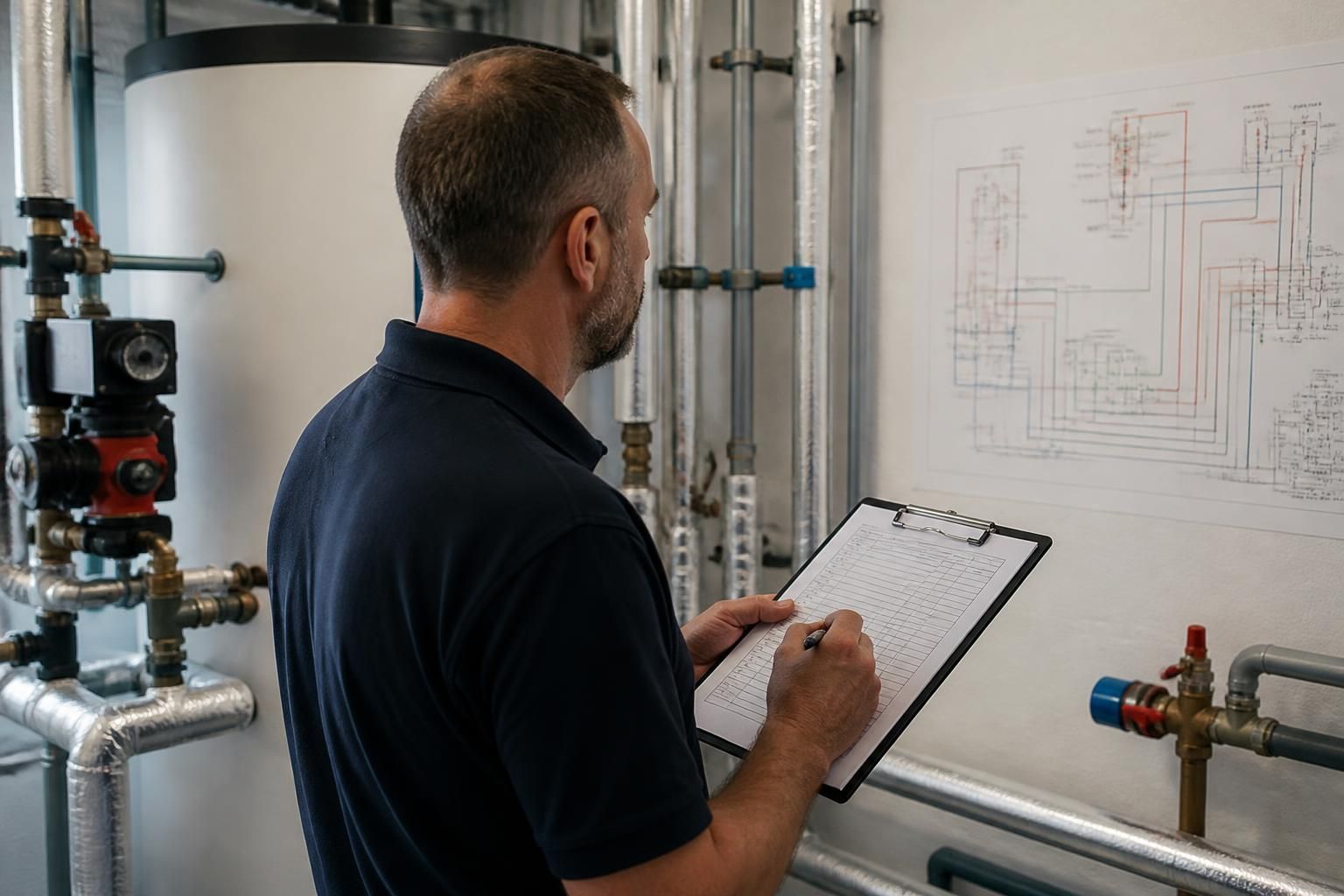
HSG274 control measures should be reviewed through a documented, risk-based process that checks whether they remain suitable, are being carried out as intended and are producing reliable evidence of control. A review is not simply a check that paperwork exists; it should examine the water system, operating arrangements, monitoring results and corrective actions together.
The review should establish whether the measures still address the actual sources of risk within the premises. This normally includes checking:
- the current system layout, including storage vessels, calorifiers, distribution pipework, thermostatic mixing valves, outlets and little-used sections;
- the defined control parameters, such as temperature management, flushing arrangements, cleaning requirements and other precautions relevant to the system;
- whether monitoring and inspection activities are being completed at the required locations and intervals;
- whether readings are recorded accurately, with unusual results and missed checks clearly identified;
- whether sampling, where used, is targeted appropriately and interpreted alongside other evidence rather than considered in isolation; and
- whether staff carrying out operational tasks have suitable instruction, competence and clear responsibilities.
Evidence should be assessed for patterns rather than isolated results alone. Repeated temperature deviations, incomplete flushing records, recurring failures at particular outlets or persistent microbiological findings may indicate that a control is poorly designed, inconsistently implemented or no longer suitable. A satisfactory result on one occasion does not, by itself, demonstrate that the wider control regime is effective.
Each review should record the information considered, the conclusions reached and any actions required. Actions need an identified owner, a suitable priority and a means of confirming completion. Where a remedial measure is introduced, its effectiveness should be verified rather than assumed. For example, repairing a component or changing a monitoring instruction should be followed by evidence that the relevant control parameter has returned to the required condition and is being maintained.
The review should also confirm that the written scheme and site records match the system in operation. Differences can arise when plant is altered, areas are brought back into use, outlets are removed or responsibilities move between departments or contractors. Any discrepancy should be resolved so that staff are working from current information and the responsible person can demonstrate how control is managed.
A competent reviewer should consider whether the control strategy remains proportionate to the risk and whether additional specialist assessment is needed. This may be appropriate where results are difficult to interpret, system performance is inconsistent, remedial work has not resolved a problem or the installation has unusual design features. The outcome should feed into the legionella risk assessment and written control scheme, with revised procedures communicated to everyone who has a role in operating, monitoring or maintaining the system.
For commercial premises, retaining a clear audit trail is important. It should show the basis for decisions, the evidence reviewed, changes made and follow-up checks completed. This gives the responsible person a practical way to demonstrate that HSG274 recommendations have been considered and that legionella controls are actively managed rather than treated as a static document.
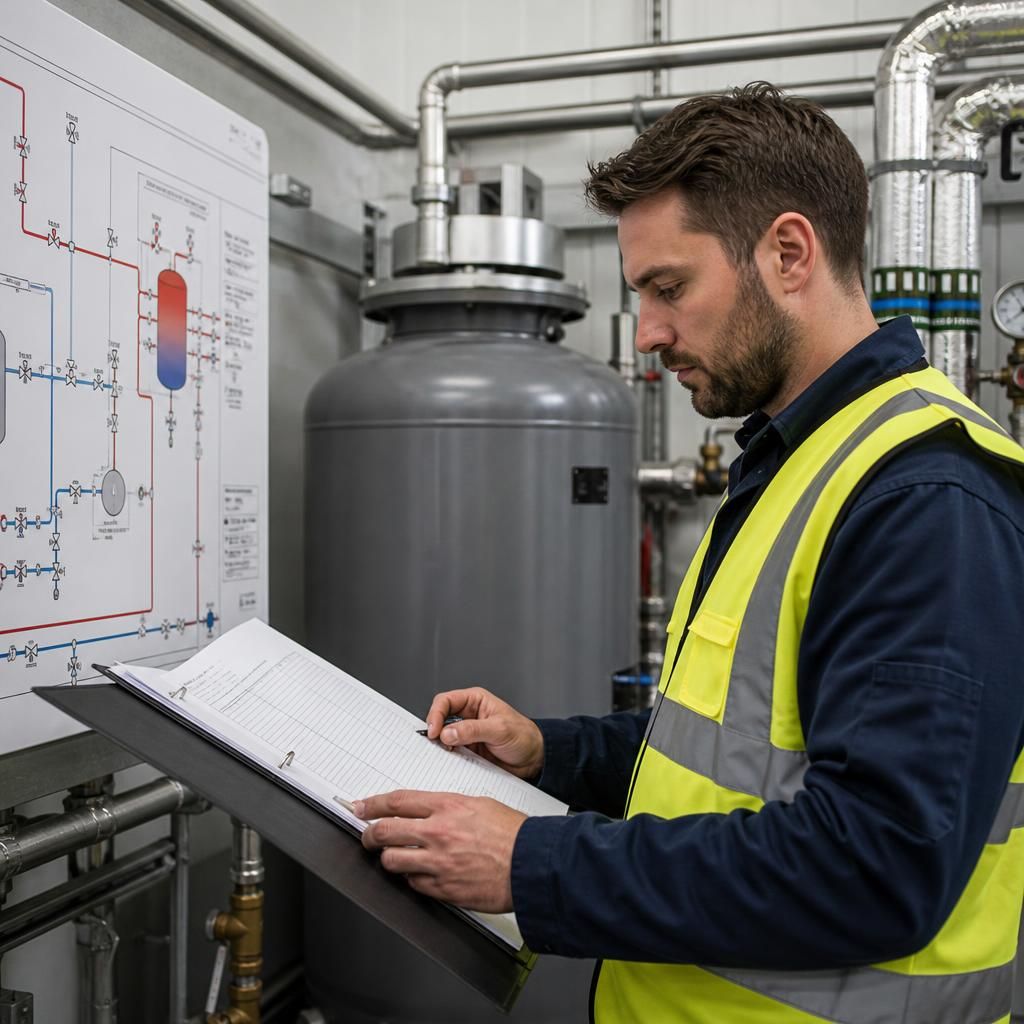
A scheduled review of HSG274 control measures is different from the routine checks used to operate the system. Temperature monitoring, flushing, cleaning and other tasks should continue at the frequencies set out in the written scheme; the review considers whether those arrangements remain appropriate and whether the information they produce is sufficient to support control.
Particular care is needed before a building, area or water system is brought back into use after an extended closure. The review should confirm which outlets and equipment remain in service, whether recommissioning or cleaning is required, and whether the control arrangements reflect the conditions that will apply after reoccupation. This provides a defined point at which the responsible person can confirm that the system is ready to operate under its current risk controls.
Discuss Your HSG274 Control Measures
If you need to determine whether your HSG274 control measures remain suitable, discuss your review requirements with Blue Fish Water Management Ltd. Their team can provide practical advice based on your premises, water systems and existing control arrangements.