
Who can complete an L8 legionella risk assessment?
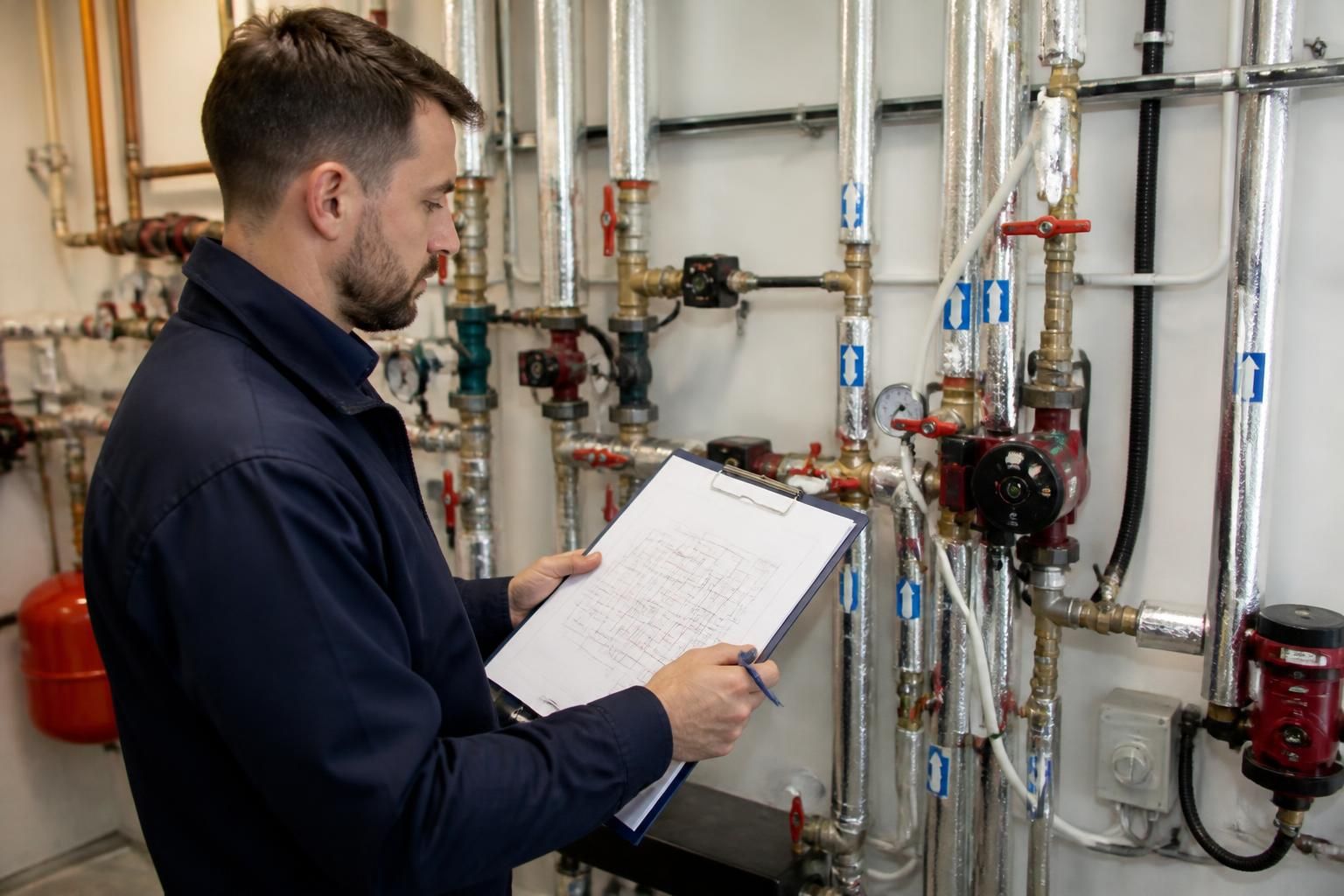
A suitable assessor is someone who can demonstrate relevant training, practical experience, technical knowledge and a clear understanding of the water systems under review. L8 does not make possession of one particular certificate the sole test of competence. Instead, the assessor must be capable of identifying legionella risks accurately, evaluating existing controls and producing findings that the responsible person can act upon.
Competence should be judged against the complexity and risk profile of the premises. An assessor reviewing a straightforward domestic hot and cold water system may need a different level of specialist knowledge from one examining a healthcare site, large commercial building, industrial process, cooling system or premises used by people who may be particularly vulnerable to infection. The person carrying out the work should understand the relevant system design, operation and maintenance arrangements rather than relying only on a standard questionnaire.
Useful evidence of competence may include:
- Legionella risk assessment training that covers the principles of L8 and the associated technical guidance.
- Practical experience of inspecting and assessing the types of water systems present at the site.
- Knowledge of water storage, distribution, temperature control, outlets, stagnation risks and relevant equipment.
- Experience of interpreting maintenance records, monitoring results, schematics and previous assessment findings.
- Ongoing professional development and a method for keeping technical knowledge current.
- The ability to explain risks clearly and recommend proportionate, technically suitable control measures.
A certificate alone does not establish competence. The responsible person should consider what the assessor has actually done, whether their previous work is relevant to the site and whether they can demonstrate a sound assessment method. It is also sensible to ask for details of training, experience, professional procedures, insurance arrangements and sample report formats before appointing them. A referral or accreditation may support the selection process, but it should not replace a check that the individual is competent for the specific work required.
The assessment should be based on a physical understanding of the site, supported by available records. Depending on the premises, this may involve tracing pipework, checking storage vessels and water heaters, identifying infrequently used outlets, considering temperature control, reviewing showers and thermostatic mixing valves, and examining areas where water can stagnate. The assessor should also consider occupancy, how the system is used, maintenance arrangements, alterations to the building and any groups who could face greater consequences from exposure.
A useful report normally sets out the systems and parts of the premises assessed, the hazards identified, the existing control measures and any deficiencies requiring attention. It should make clear which actions are recommended, why they are needed and who should manage them. Vague statements such as “improve monitoring” are less useful than findings linked to a particular asset, control failure or management arrangement. The report should also identify any limitations, such as inaccessible plant or missing information, so that the responsible person understands the basis of the conclusions.
The responsible person remains accountable for arranging the assessment and acting on its findings. Appointing an external assessor does not transfer that management responsibility. The responsible person should make relevant information available, ensure access to plant and outlets, review the completed report and incorporate necessary actions into the written scheme and monitoring arrangements where appropriate.
Independence is another consideration. An assessor should be able to identify deficiencies objectively and should not allow a commercial interest in remedial work to influence the findings. If the same organisation is asked to carry out follow-on work, the report should still distinguish clearly between observed risks, required controls and optional recommendations. For complex sites, the assessment may need input from people with different areas of expertise, but one suitably competent lead should coordinate the conclusions.
Blue Fish Water Management Ltd supports organisations with legionella risk assessments, water hygiene advice, monitoring and related compliance work across the UK. When appointing any provider, the key question is whether the person assigned to the assessment has the specific competence needed for the systems, premises and people covered by the review.
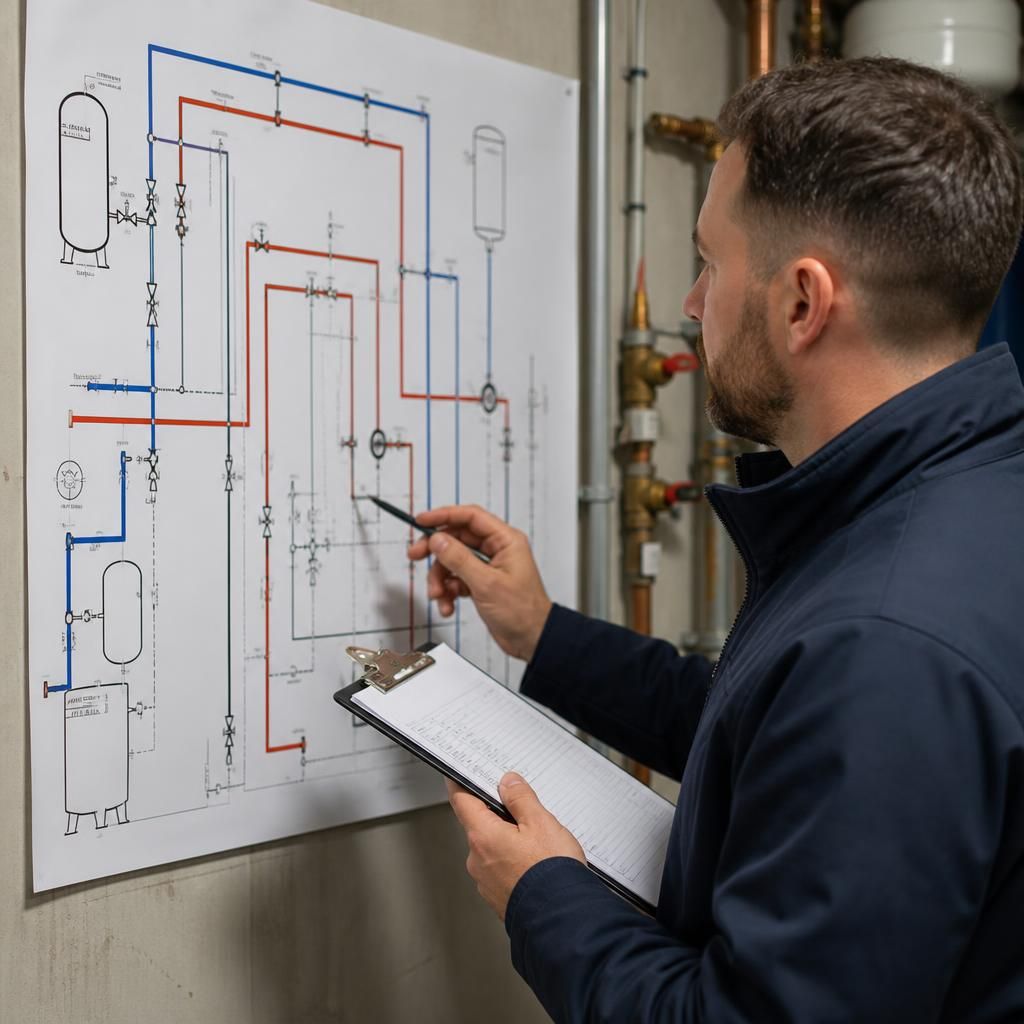
Before appointing an assessor, define the scope of the review in writing. Provide details of the premises, water systems, occupancy, known issues and available records, then ask the assessor to confirm which assets and areas will be inspected. The appointment should also clarify the report format, site access requirements, information needed from the responsible person and how significant findings will be communicated.
This helps prevent an assessment from being treated as a generic inspection. It gives the organisation a clear basis for checking whether the completed report addresses the systems actually present and supports the decisions required for L8 control.
Discuss your L8 legionella risk assessment requirements
Discuss your premises, water systems and assessment requirements with Blue Fish Water Management Ltd to establish the appropriate scope for your L8 legionella risk assessment.