
How should organisations respond to an L8 monitoring result outside its control limit?
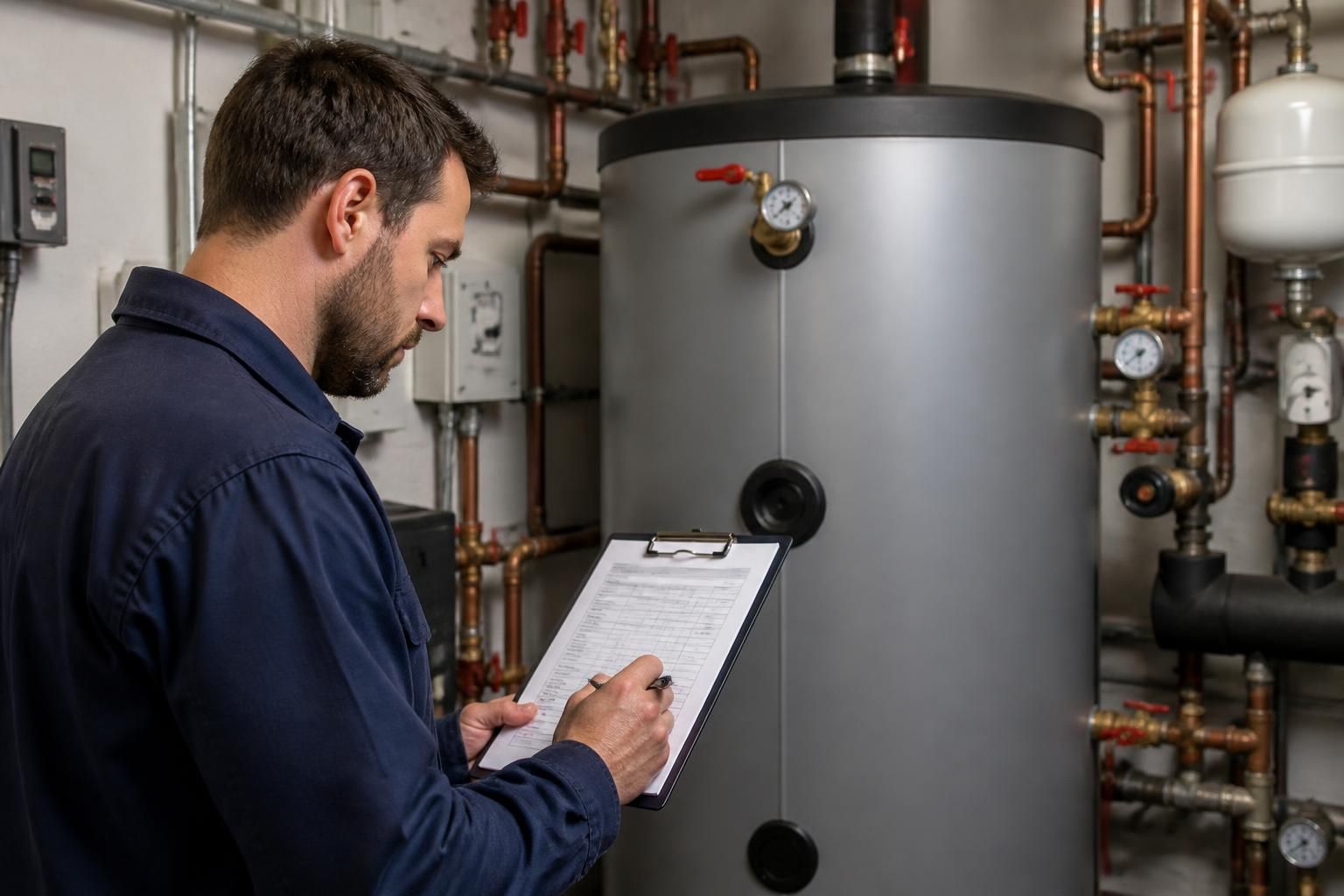
The appropriate response is a controlled deviation process: confirm the result, assess its significance against the written scheme, apply proportionate safeguards, investigate the cause, complete corrective work and retain evidence that control has been restored. The action should reflect the type of monitoring involved, the affected part of the water system and the potential exposure to people.
1. Confirm what the result shows
Check the result against the control limit specified in the written scheme, rather than relying on a general assumption about what is acceptable. Establish:
- the parameter measured, such as temperature, disinfectant residual or microbiological findings;
- the location, outlet, tank, calorifier or system section concerned;
- the date, time, sampling or measurement method and equipment used;
- whether the equipment was suitable, maintained and correctly calibrated; and
- whether the result is isolated or forms part of a developing trend.
If a measurement appears inconsistent with other evidence, a competent person should determine whether a repeat check or confirmatory sample is appropriate. A repeat measurement should validate the investigation; it should not be used to disregard an unfavourable result without explaining the discrepancy.
2. Assess the immediate risk
Consider who may have been exposed, how the water is used and whether conditions could support Legionella growth or aerosol exposure. Particular attention may be needed where outlets are used for showering or other aerosol-generating activities, or where vulnerable people may be present. Review recent incidents, complaints, changes in occupancy, alterations to the system, loss of temperature control, reduced flow or periods of low use.
The responsible person should decide whether affected outlets or parts of the system need to be restricted while the issue is investigated. Any restriction should be communicated clearly to users and supported by suitable alternative arrangements where necessary. Do not introduce a chemical treatment, raise temperatures or carry out other intrusive work unless the method is suitable for the system and controlled by a competent person.
3. Identify the likely cause
Investigation should test the system against the written scheme and current risk assessment. Depending on the result, possible causes may include:
- inadequate hot-water storage or distribution temperatures;
- poor circulation, failed pumps, balancing problems or defective thermostatic controls;
- cold-water temperatures that are not being maintained as intended;
- stagnant sections, infrequently used outlets, dead legs or oversized storage;
- faulty dosing, loss of disinfectant residual or an unsuitable treatment regime;
- incomplete flushing, ineffective cleaning or poor access for maintenance; or
- changes to the building, occupancy or water use that were not reflected in the scheme.
For a microbiological result, the sampling location, sample handling, laboratory information and recent system activity should also be reviewed. One result may indicate a localised issue, whereas results from several locations can suggest a wider system problem. The interpretation should be made by a person with suitable knowledge of legionella control and the particular water system.
4. Apply corrective action
Corrective work should address the identified cause, not simply remove the symptom. This may involve repairing or adjusting plant, restoring circulation, removing redundant pipework, improving flushing arrangements, cleaning and disinfecting relevant components, correcting dosing or revising outlet-use controls. The chosen measure should be documented, including its scope, responsible person, completion date and any precautions required.
Where the result indicates a potentially significant risk, the responsible person should obtain appropriate specialist advice and consider whether the incident needs to be escalated internally or reported through the organisation's established health and safety arrangements. The written scheme should state who has authority to make these decisions.
5. Verify that control has been restored
Completion of remedial work is not, by itself, proof that the system is back under control. Carry out the checks and follow-up monitoring specified by the written scheme. This may include temperature or disinfectant checks, confirmation that plant is operating correctly, inspection of affected outlets and further microbiological sampling where justified.
Verification should cover the locations and parameters relevant to the original failure. Results should be compared with the applicable control limits and with previous findings. If results remain unsatisfactory, the organisation should keep the affected controls in place, reassess the cause and obtain further competent advice rather than closing the deviation prematurely.
6. Record and review the event
Keep a clear audit trail containing the original result, risk assessment, decisions made, communications, investigation findings, remedial work, follow-up results and the name or role of the person who authorised closure. Records should show why the response was proportionate and whether any users, contractors or other responsible parties were informed.
A repeated or serious deviation should trigger a review of the risk assessment and written scheme. The review should consider whether control limits, monitoring frequencies, sampling points, responsibilities, maintenance arrangements or staff training need changing. Monitoring is most useful when it identifies weaknesses in the system and leads to a lasting improvement in how those weaknesses are controlled.
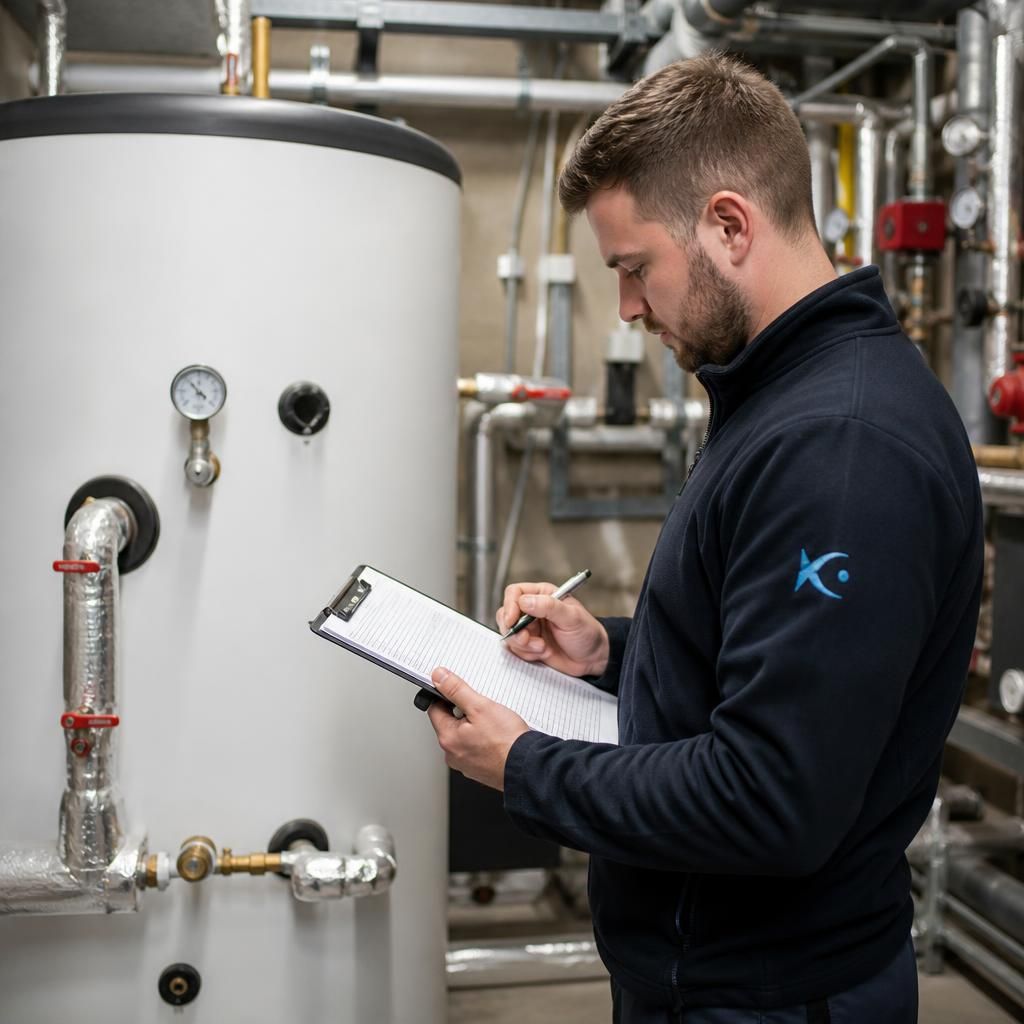
Microbiological findings require careful interpretation because the result alone does not describe the full condition of the water system. The responsible person should review the laboratory report, sample type, sampling point, collection details and any comments or qualifications provided by the laboratory. A routine sample, a post-cleaning sample and a sample taken during an investigation may serve different purposes and should not be treated as directly comparable.
The finding should then be considered alongside operational evidence, including temperature records, disinfectant control, recent maintenance and results from other locations. Where the report is unclear or the implications are significant, a suitably competent water safety professional should interpret the result and advise on the appropriate response. This helps prevent either an unjustified assumption that the whole system is affected or an unsafe conclusion that an isolated result can be disregarded.
Need help responding to an L8 monitoring result outside its control limit?
If your organisation needs help interpreting a disputed or recurring L8 monitoring result, Blue Fish Water Management Ltd can review the relevant findings, system information and compliance records. Contact the team to discuss an appropriate water safety review.