
What information is needed for a commercial legionella risk assessment?
A commercial legionella risk assessment needs accurate information about the site, its water systems and how they are used. This typically includes system schematics, water outlets and storage tanks, temperatures, control measures, maintenance and monitoring records, occupancy and vulnerable users, and any previous findings or remedial work.
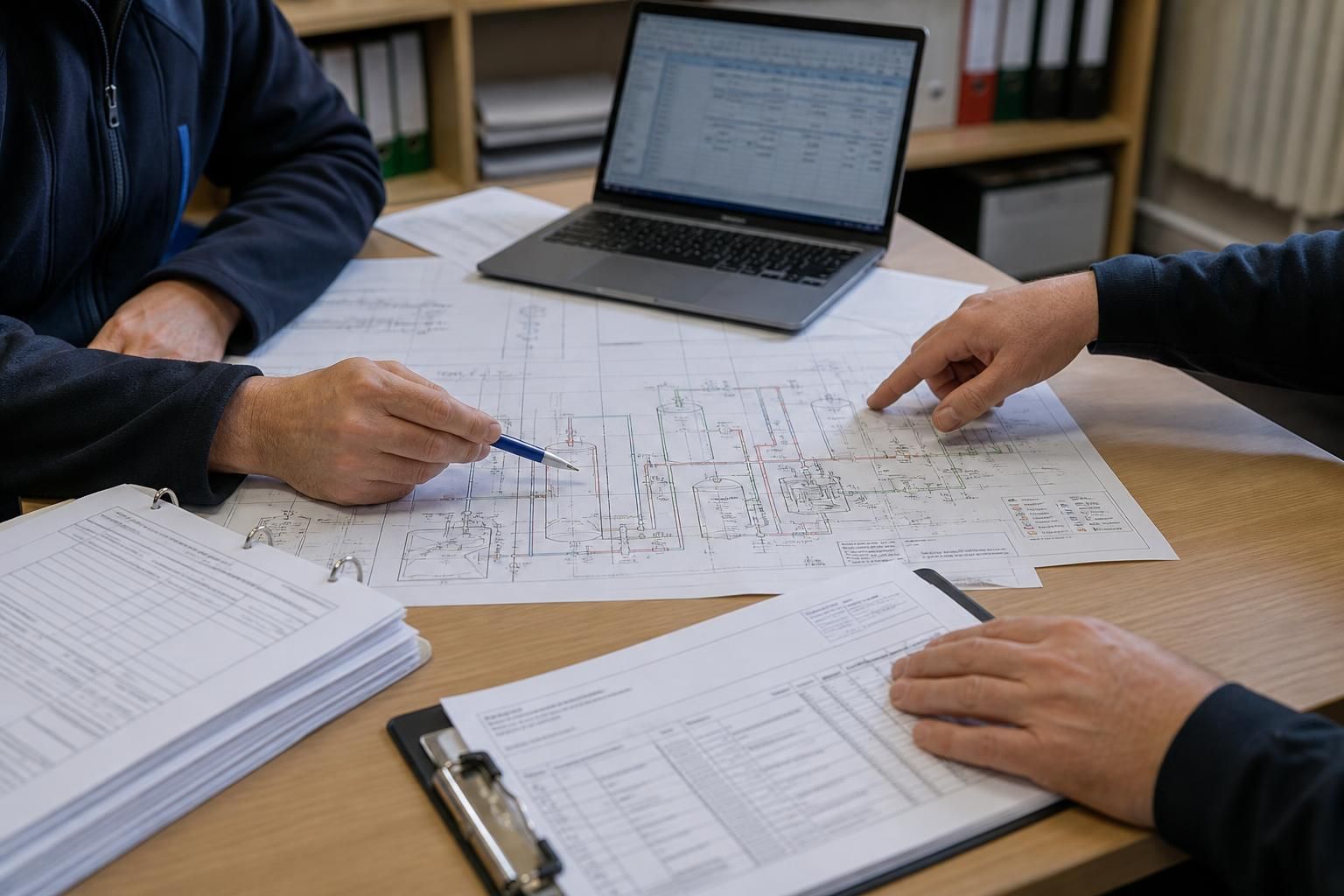
A commercial legionella risk assessment needs enough reliable information to understand how water is supplied, stored, heated, distributed and used, who may be exposed, and how the system is controlled. The assessor will normally combine documents supplied by the dutyholder with a site inspection and discussions with people who manage or use the building.
Details about the premises and its use
The assessor needs to understand the building’s purpose, layout and operating pattern. Relevant information may include:
- the address, building type and areas included within the assessment;
- the number and type of occupied areas, including offices, bedrooms, treatment rooms, washrooms, kitchens, plant rooms and communal facilities;
- normal occupancy patterns, seasonal use, periods of low occupancy and any areas that are regularly closed;
- any planned refurbishment, redevelopment, change of use or alteration to the water services; and
- the boundaries of the assessment, particularly where water systems are shared with neighbouring units, landlords or other organisations.
This information helps the assessor judge whether periods of stagnation, unusual demand or restricted access could affect the risk. It also establishes which parts of the water system and which groups of people fall within the assessment.
Information about people who could be exposed
The assessment should identify more than just the number of occupants. The assessor needs to know how people come into contact with water aerosols or spray, for example through showers, spray taps, humidification equipment or other devices. It is also important to identify people who may be more susceptible to Legionnaires’ disease, such as older people, smokers and those with weakened immune systems or certain underlying health conditions.
Employees, residents, visitors, patients, contractors and members of the public may face different levels of exposure. Information about their activities, access to facilities and working locations allows the assessor to consider whether existing controls are suitable for the actual users of the premises.
Information about ownership, management and responsibilities
A clear record of responsibility is essential. The assessor should be told who acts as the responsible person, who manages the water systems day to day, and who is authorised to arrange maintenance, monitoring, sampling and remedial work. Where duties are divided between an owner, managing agent, facilities team, occupier and contractors, the relevant agreements or service specifications should be available.
The assessor may also need to understand how faults are reported, who reviews monitoring results, how corrective actions are authorised and how records are retained. Unclear responsibilities can leave known issues unresolved, even where suitable technical controls are present.
Design and operational information
Drawings and asset records are most useful when they show the system as it currently exists rather than as it was originally designed. The assessor may need to verify:
- the route from the incoming supply through storage, heating and distribution components;
- the location and arrangement of calorifiers, hot-water cylinders, tanks, pumps, return circuits and secondary heating equipment;
- the presence of blended outlets, thermostatic mixing valves, point-of-use heaters, flexible hoses, filters or other components that may affect temperature or flow;
- the number, type and frequency of use of outlets, including little-used taps, showers and emergency facilities; and
- any sections that are capped, redundant, isolated, disconnected or difficult to drain and maintain.
As-built drawings are not always complete. An assessor may therefore trace pipework, inspect plant and ask maintenance staff about modifications that are absent from the records.
Evidence that controls are working
Records should show not only what controls are intended to operate, but whether they have operated consistently. Useful evidence can include temperature monitoring sheets, inspection checklists, cleaning and disinfection certificates, tank inspections, maintenance reports, flushing records and logs of faults or corrective actions.
Where temperature control is relied upon, readings should be linked to identifiable outlets or plant and should indicate when and where they were taken. Where outlets are flushed because they are infrequently used, the record should identify the outlet, the date and the person carrying out the task. Incomplete, inconsistent or unexplained records are relevant findings in their own right because they limit the assessor’s ability to confirm that controls are effective.
History, changes and unusual events
The assessor should be told about events that could have altered the level of risk. These may include water outages, contamination incidents, major plumbing work, changes to heating arrangements, long periods of closure, equipment failure, complaints about water quality or previous cases of suspected or confirmed Legionnaires’ disease.
Information about earlier recommendations is also important. The assessor will need to establish which actions were completed, which remain outstanding and whether completed work changed the system sufficiently to require the assessment to be updated.
What happens if information is missing?
A lack of records does not necessarily prevent an assessment, but it should not be treated as evidence that a control is in place. The assessor may record the gap, verify the position through inspection or interviews, and recommend further investigation. In some cases, uncertainty about the system’s construction or operation becomes part of the risk profile and requires corrective action.
The most useful preparation is to provide current drawings, asset information, management arrangements and relevant records before the visit, while ensuring that the assessor can inspect plant rooms, tanks, outlets and other restricted areas. Information should be accurate, current and consistent with the way the premises is actually operated.
Blue Fish Water Management Ltd can use this combination of documentary evidence, site observations and discussions with responsible staff when carrying out commercial legionella risk assessment work. The resulting assessment should explain the significant risks, identify the controls required and set out practical actions where information, maintenance or system management needs improvement.
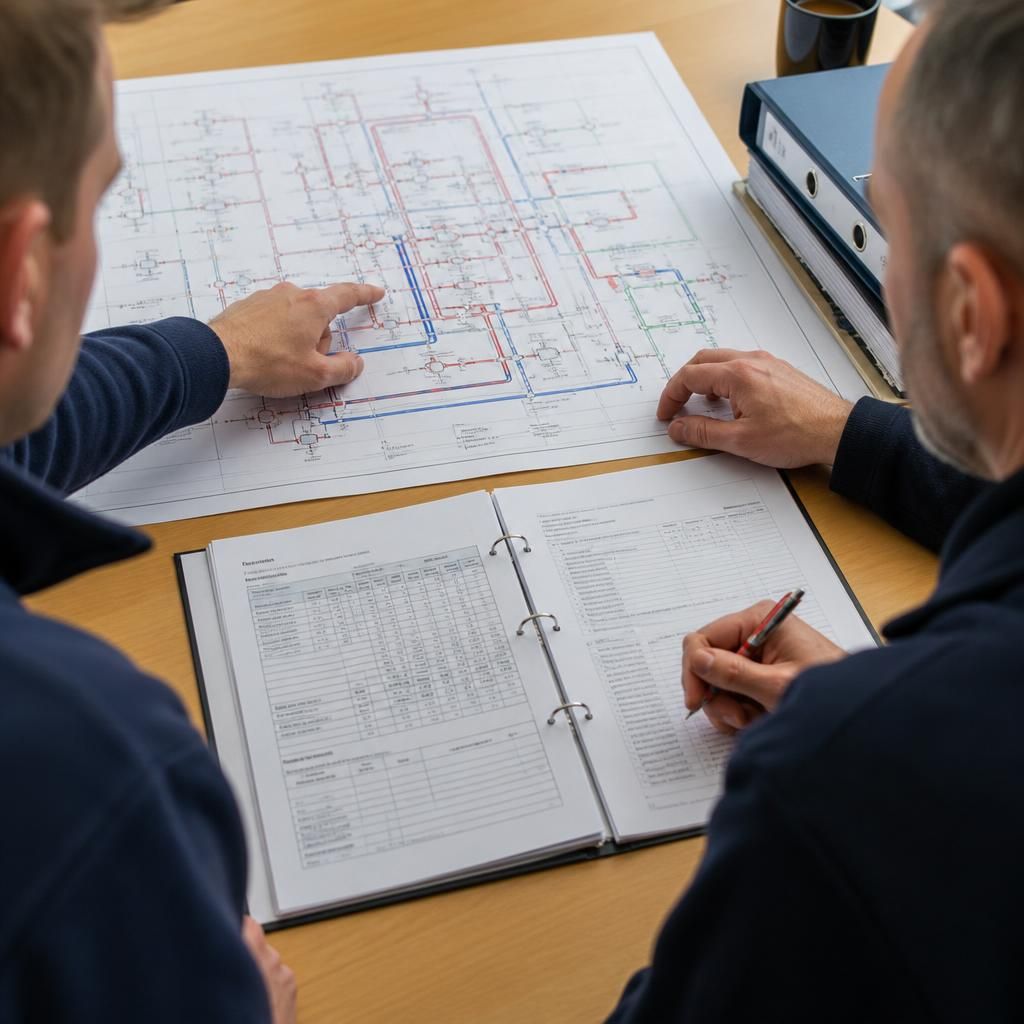
Information for a commercial legionella risk assessment should cover every water system that could create exposure, not only hot and cold-water outlets. The assessor should be told about cooling systems, spa pools, humidifiers, decorative water features, irrigation equipment and any other process or specialist systems that produce spray or aerosol.
For each system, provide its location, purpose, water source, operating pattern and maintenance arrangements. Include systems that are seasonal, used intermittently or operated by a contractor, as these may be overlooked in routine building records. Identifying them at the outset helps ensure the assessment reflects the whole site rather than focusing only on the main domestic water services.
Discuss your commercial legionella risk assessment needs
Discuss your commercial legionella risk assessment requirements with Blue Fish Water Management Ltd to clarify the appropriate scope and supporting information for your premises.